Stan książek
Nasze książki są dokładnie sprawdzone i jasno określamy stan każdej z nich.
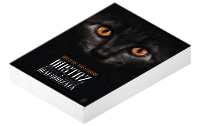

Nowa
Książka nowa.
Używany - jak nowa
Niezauważalne lub prawie niezauważalne ślady używania. Książkę ciężko odróżnić od nowej pozycji.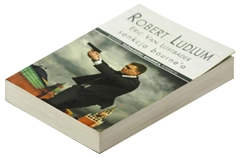
Używany - dobry
Normalne ślady używania wynikające z kartkowania podczas czytania, brak większych uszkodzeń lub zagięć.
Używany - widoczne ślady użytkowania
zagięte rogi, przyniszczona okładka, książka posiada wszystkie strony.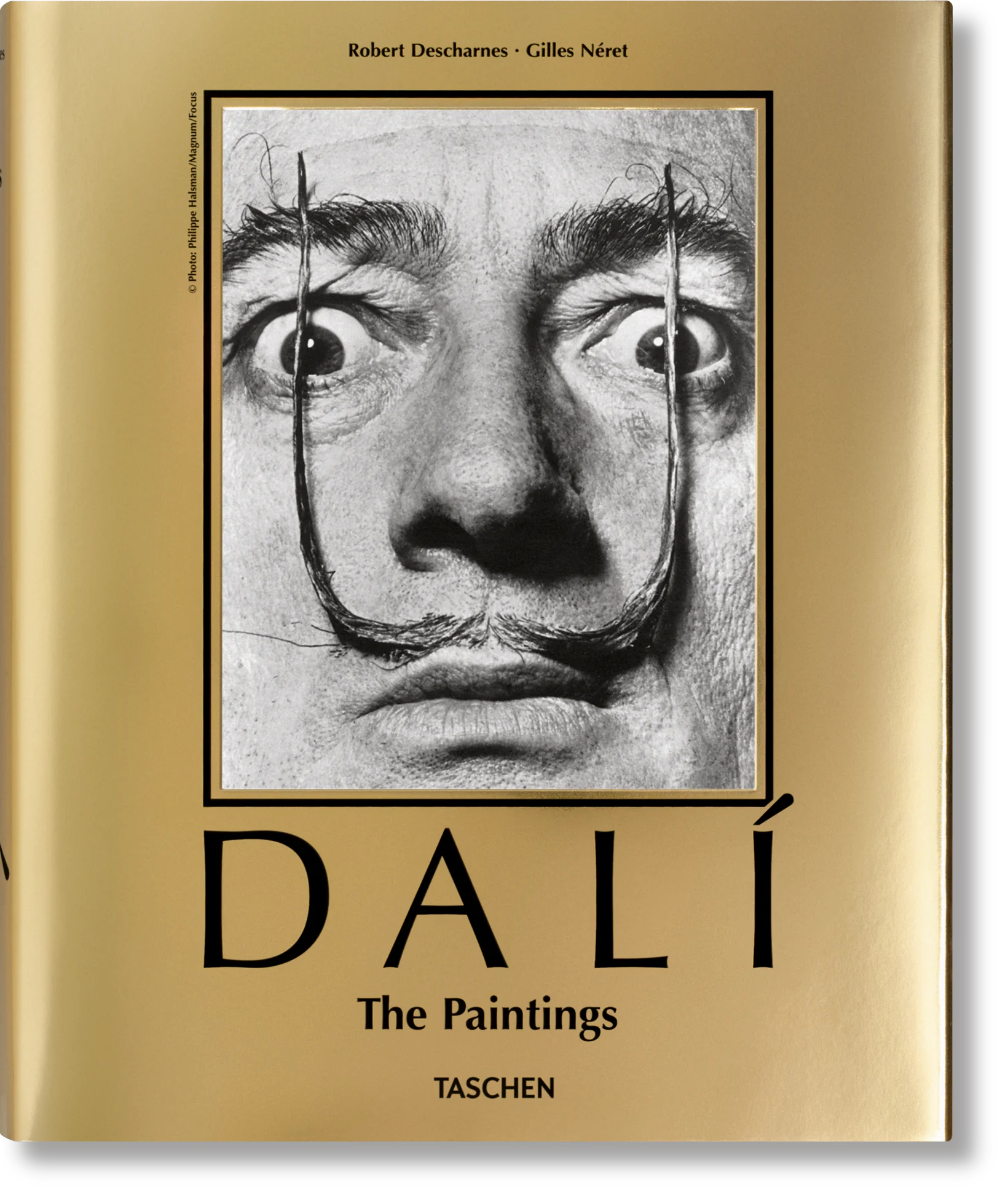
Dali The Paintings
Masz tę lub inne książki?
Sprzedaj je u nas

This comprehensive guide delves into the painted works of Salvador Dalí, one of the most influential and unconventional figures of the 20th century. From aspiring chef at six to dreaming of being Napoleon at seven, Dalí's ambitions only expanded with time. He ultimately resolved to be nothing but Salvador Dalí, a testament to his unique identity. This volume stands as the most exhaustive examination of Dalí's paintings to date. Robert Descharnes and Gilles Néret, after meticulous research, uncovered a wealth of Dalí's creations long hidden from public view, with nearly half of the featured artworks making their debut in this publication.Beyond serving as a mere catalogue raisonné, the book explores the layers of meaning in Dalí's oeuvre, supported by contemporary documents that range from his writings and sketches to endeavors in ballet, cinema, fashion, advertising, and decorative arts. By offering this context, the book elevates the paintings beyond a simple collection of images, allowing for a deeper understanding of Dalí's work.The analysis is split into two sections. The first examines Dalí’s early years when he experimented with and ultimately discarded dominant art movements like Impressionism, Pointillism, Cubism, Fauvism, Purism, and Futurism. These initial explorations reveal how Dalí absorbed and later subverted these styles with a playful touch. The second part sheds light on the culmination of Dalí’s artistic journey, showcasing masterpieces such as "Tuna Fishing" (1966/67) and "Hallucinogenic Toreador" (1970). It also features never-before-seen tributes to artists like Velázquez and Michelangelo, echoing the homages to old masters created by Dalí's contemporary, Picasso. Through a keen desire to unravel the mysteries of celebrated artworks and become a mid-20th-century Velázquez, Dalí ultimately forged his inimitable path.
Wybierz stan zużycia:
WIĘCEJ O SKALI
This comprehensive guide delves into the painted works of Salvador Dalí, one of the most influential and unconventional figures of the 20th century. From aspiring chef at six to dreaming of being Napoleon at seven, Dalí's ambitions only expanded with time. He ultimately resolved to be nothing but Salvador Dalí, a testament to his unique identity. This volume stands as the most exhaustive examination of Dalí's paintings to date. Robert Descharnes and Gilles Néret, after meticulous research, uncovered a wealth of Dalí's creations long hidden from public view, with nearly half of the featured artworks making their debut in this publication.Beyond serving as a mere catalogue raisonné, the book explores the layers of meaning in Dalí's oeuvre, supported by contemporary documents that range from his writings and sketches to endeavors in ballet, cinema, fashion, advertising, and decorative arts. By offering this context, the book elevates the paintings beyond a simple collection of images, allowing for a deeper understanding of Dalí's work.The analysis is split into two sections. The first examines Dalí’s early years when he experimented with and ultimately discarded dominant art movements like Impressionism, Pointillism, Cubism, Fauvism, Purism, and Futurism. These initial explorations reveal how Dalí absorbed and later subverted these styles with a playful touch. The second part sheds light on the culmination of Dalí’s artistic journey, showcasing masterpieces such as "Tuna Fishing" (1966/67) and "Hallucinogenic Toreador" (1970). It also features never-before-seen tributes to artists like Velázquez and Michelangelo, echoing the homages to old masters created by Dalí's contemporary, Picasso. Through a keen desire to unravel the mysteries of celebrated artworks and become a mid-20th-century Velázquez, Dalí ultimately forged his inimitable path.
Szczegóły
Inne książki tych autorów

Podobne produkty
Może Ci się spodobać
Inne książki z tej samej kategorii

Napisz opinię o książce i wygraj nagrodę!
W każdym miesiącu wybieramy najlepsze opinie i nagradzamy recenzentów.
Dowiedz się więcejWartość nagród w tym miesiącu
880 zł
Dodaj swoją opinię
Zaloguj się na swoje konto, aby mieć możliwość dodawania opinii.
Czy chcesz zostawić tylko ocenę?
Dodanie samej oceny o książce nie jest brane pod uwagę podczas losowania nagród. By mieć szansę na otrzymanie nagrody musisz napisać opinię o książce.
Już oceniłeś/zrecenzowałeś te książkę w przeszłości.
Możliwe jest dodanie tylko jednej recenzji do każdej z książek.
Sposoby dostawy
Płatne z góry

InPost Paczkomaty 24/7
13.99 zł
Darmowa od 190 zł

ORLEN Paczka
12.99 zł
Darmowa od 190 zł

Automaty DHL BOX 24/7 i punkty POP
12.99 zł
Darmowa od 190 zł

DPD Pickup Automaty i Punkty Odbioru
8.99 zł
Darmowa od 190 zł

Automaty Orlen Paczka, sklepy Żabka i inne
12.99 zł
Darmowa od 190 zł

GLS U Ciebie - Kurier
14.99 zł
Darmowa od 190 zł

Kurier DPD
14.99 zł
Darmowa od 190 zł

Kurier InPost
14.99 zł
Darmowa od 190 zł

Pocztex Kurier
13.99 zł
Darmowa od 190 zł

Kurier DHL
14.99 zł
Darmowa od 190 zł

Kurier GLS - kraje UE
69.00 zł

Punkt odbioru (Dębica)
2.99 zł
Darmowa od 190 zł
Płatne przy odbiorze

Kurier GLS pobranie
23.99 zł
Sposoby płatności
Płatność z góry
Przedpłata

Zwykły przelew
