Stan książek
Nasze książki są dokładnie sprawdzone i jasno określamy stan każdej z nich.


Nowa
Książka nowa.
Używany - jak nowa
Niezauważalne lub prawie niezauważalne ślady używania. Książkę ciężko odróżnić od nowej pozycji.
Używany - dobry
Normalne ślady używania wynikające z kartkowania podczas czytania, brak większych uszkodzeń lub zagięć.
Używany - widoczne ślady użytkowania
zagięte rogi, przyniszczona okładka, książka posiada wszystkie strony.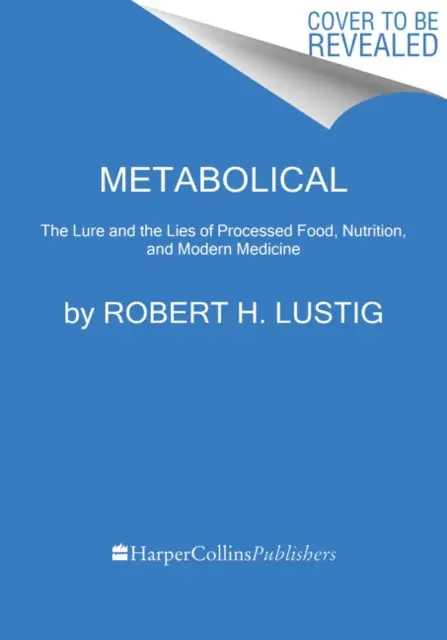
Metabolical. The Lure and the Lies of Processed Food, Nutrition, and Modern Medicine
Masz tę lub inne książki?
Sprzedaj je u nas

Dr. Robert Lustig, a renowned pediatric neuroendocrinologist and New York Times bestselling author of "Fat Chance," explores the eight underlying pathologies of chronic diseases, illustrating how processed foods have detrimentally affected our health, economy, and environment over the last half-century. In his thought-provoking book "Metabolical," Lustig critiques the prevailing healthcare system, heavily influenced by Big Food, Big Pharma, and Big Government. He convincingly argues that the real problem must be identified before solutions can be found. Known for his ability to make complex scientific data accessible, Lustig narrates the historical development of our food system while showcasing how real food can impact our well-being."Metabolical" intertwines topics such as nutrition, disease, medicine, environment, and society, revealing that the current medical treatments focus on symptoms rather than the root causes of chronic illnesses. Lustig suggests that while chronic diseases are not treatable through traditional medication, they can be managed through diet. Furthermore, he asserts that processed foods are not only harmful but addictive. He points out that the ongoing debate between vegan and keto dietary approaches is misguided and distracts from the larger issue that individuals should be united against—a food industry that prioritizes profit over health.Lustig offers a compelling argument that dietary change is our best tool to enact meaningful biochemical change for health improvements. He recommends dietary practices that prioritize liver protection and gut health. Urging a significant shift in dietary habits to combat chronic diseases, he warns that failure to do so could jeopardize healthcare systems and the planet's future. Yet, his book provides a beacon of hope, outlining essential steps needed to address these pressing issues.
Wybierz stan zużycia:
WIĘCEJ O SKALI
Dr. Robert Lustig, a renowned pediatric neuroendocrinologist and New York Times bestselling author of "Fat Chance," explores the eight underlying pathologies of chronic diseases, illustrating how processed foods have detrimentally affected our health, economy, and environment over the last half-century. In his thought-provoking book "Metabolical," Lustig critiques the prevailing healthcare system, heavily influenced by Big Food, Big Pharma, and Big Government. He convincingly argues that the real problem must be identified before solutions can be found. Known for his ability to make complex scientific data accessible, Lustig narrates the historical development of our food system while showcasing how real food can impact our well-being."Metabolical" intertwines topics such as nutrition, disease, medicine, environment, and society, revealing that the current medical treatments focus on symptoms rather than the root causes of chronic illnesses. Lustig suggests that while chronic diseases are not treatable through traditional medication, they can be managed through diet. Furthermore, he asserts that processed foods are not only harmful but addictive. He points out that the ongoing debate between vegan and keto dietary approaches is misguided and distracts from the larger issue that individuals should be united against—a food industry that prioritizes profit over health.Lustig offers a compelling argument that dietary change is our best tool to enact meaningful biochemical change for health improvements. He recommends dietary practices that prioritize liver protection and gut health. Urging a significant shift in dietary habits to combat chronic diseases, he warns that failure to do so could jeopardize healthcare systems and the planet's future. Yet, his book provides a beacon of hope, outlining essential steps needed to address these pressing issues.
Szczegóły
Dane producenta:
Inne książki: Robert Lustig

Podobne produkty
Może Ci się spodobać
Inne książki z tej samej kategorii

Napisz opinię o książce i wygraj nagrodę!
W każdym miesiącu wybieramy najlepsze opinie i nagradzamy recenzentów.
Dowiedz się więcejWartość nagród w tym miesiącu
880 zł
Dodaj swoją opinię
Zaloguj się na swoje konto, aby mieć możliwość dodawania opinii.
Czy chcesz zostawić tylko ocenę?
Dodanie samej oceny o książce nie jest brane pod uwagę podczas losowania nagród. By mieć szansę na otrzymanie nagrody musisz napisać opinię o książce.
Już oceniłeś/zrecenzowałeś te książkę w przeszłości.
Możliwe jest dodanie tylko jednej recenzji do każdej z książek.
Sposoby dostawy
Odbiór w punkcie (6)
InPost Paczkomat 24/7

14,99 zł
DPD Pickup Automaty i Punkty Odbioru

10,49 zł




Dostawa na adres (7)
GLS U Ciebie - Kurier

14,99 zł
Kurier DPD

14,99 zł





Sposoby płatności
Płatność z góry
Przedpłata

Zwykły przelew
