Stan książek
Nasze książki są dokładnie sprawdzone i jasno określamy stan każdej z nich.


Nowa
Książka nowa.
Używany - jak nowa
Niezauważalne lub prawie niezauważalne ślady używania. Książkę ciężko odróżnić od nowej pozycji.
Używany - dobry
Normalne ślady używania wynikające z kartkowania podczas czytania, brak większych uszkodzeń lub zagięć.
Używany - widoczne ślady użytkowania
zagięte rogi, przyniszczona okładka, książka posiada wszystkie strony.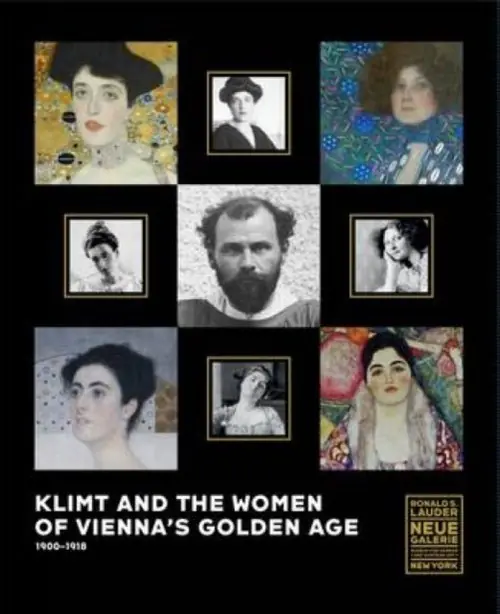
Klimt and the Women of Vienna's Golden Age
Masz tę lub inne książki?
Sprzedaj je u nas

This comprehensive and richly illustrated book delves into Gustav Klimt's exquisite depictions of women, a central theme throughout his artistic journey. As a pivotal figure in Vienna around the dawn of the twentieth century, Klimt served as a vital bridge between the traditions of nineteenth-century Symbolism and the burgeoning Modernism. His evocative and sensual portrayals of women remain some of his most acclaimed creations, forming the centerpiece of this publication. Among the notable works featured are prominent society portraits like Serena Lederer (1899), Gertrud Loew (1902), Adele Bloch-Bauer I (1907), Mäda Primavesi (1913), Elisabeth Lederer (1914–16), and Ria Munk III (1917). These masterpieces encapsulate the full range of Klimt's portrait techniques, spanning from his early mystical works inspired by Symbolism and the Pre-Raphaelite Brotherhood to his iconic "golden style" and progressing to his nearly Fauvist interpretations. Accompanying these paintings are Klimt’s preparatory sketches and pieces of decorative art from the Wiener Werkstätte, providing a comprehensive insight into his artistic process and context.
Wybierz stan zużycia:
WIĘCEJ O SKALI
This comprehensive and richly illustrated book delves into Gustav Klimt's exquisite depictions of women, a central theme throughout his artistic journey. As a pivotal figure in Vienna around the dawn of the twentieth century, Klimt served as a vital bridge between the traditions of nineteenth-century Symbolism and the burgeoning Modernism. His evocative and sensual portrayals of women remain some of his most acclaimed creations, forming the centerpiece of this publication. Among the notable works featured are prominent society portraits like Serena Lederer (1899), Gertrud Loew (1902), Adele Bloch-Bauer I (1907), Mäda Primavesi (1913), Elisabeth Lederer (1914–16), and Ria Munk III (1917). These masterpieces encapsulate the full range of Klimt's portrait techniques, spanning from his early mystical works inspired by Symbolism and the Pre-Raphaelite Brotherhood to his iconic "golden style" and progressing to his nearly Fauvist interpretations. Accompanying these paintings are Klimt’s preparatory sketches and pieces of decorative art from the Wiener Werkstätte, providing a comprehensive insight into his artistic process and context.
Szczegóły
Inne książki: Tobias Natter

Podobne produkty
Może Ci się spodobać
Inne książki z tej samej kategorii

Napisz opinię o książce i wygraj nagrodę!
W każdym miesiącu wybieramy najlepsze opinie i nagradzamy recenzentów.
Dowiedz się więcejWartość nagród w tym miesiącu
880 zł
Dodaj swoją opinię
Zaloguj się na swoje konto, aby mieć możliwość dodawania opinii.
Czy chcesz zostawić tylko ocenę?
Dodanie samej oceny o książce nie jest brane pod uwagę podczas losowania nagród. By mieć szansę na otrzymanie nagrody musisz napisać opinię o książce.
Już oceniłeś/zrecenzowałeś te książkę w przeszłości.
Możliwe jest dodanie tylko jednej recenzji do każdej z książek.
Sposoby dostawy
Odbiór w punkcie (7)
InPost Paczkomat 24/7

14,99 zł
DPD Pickup Automaty i Punkty Odbioru

11,99 zł





Dostawa na adres (7)
GLS U Ciebie - Kurier

14,99 zł
Kurier DPD

14,99 zł





Sposoby płatności
Płatność z góry
Przedpłata

Zwykły przelew
