Stan książek
Nasze książki są dokładnie sprawdzone i jasno określamy stan każdej z nich.
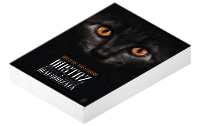

Nowa
Książka nowa.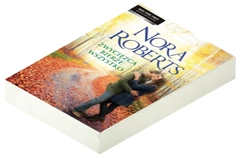
Używany - jak nowa
Niezauważalne lub prawie niezauważalne ślady używania. Książkę ciężko odróżnić od nowej pozycji.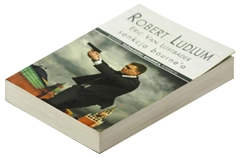
Używany - dobry
Normalne ślady używania wynikające z kartkowania podczas czytania, brak większych uszkodzeń lub zagięć.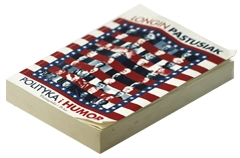
Używany - widoczne ślady użytkowania
zagięte rogi, przyniszczona okładka, książka posiada wszystkie strony.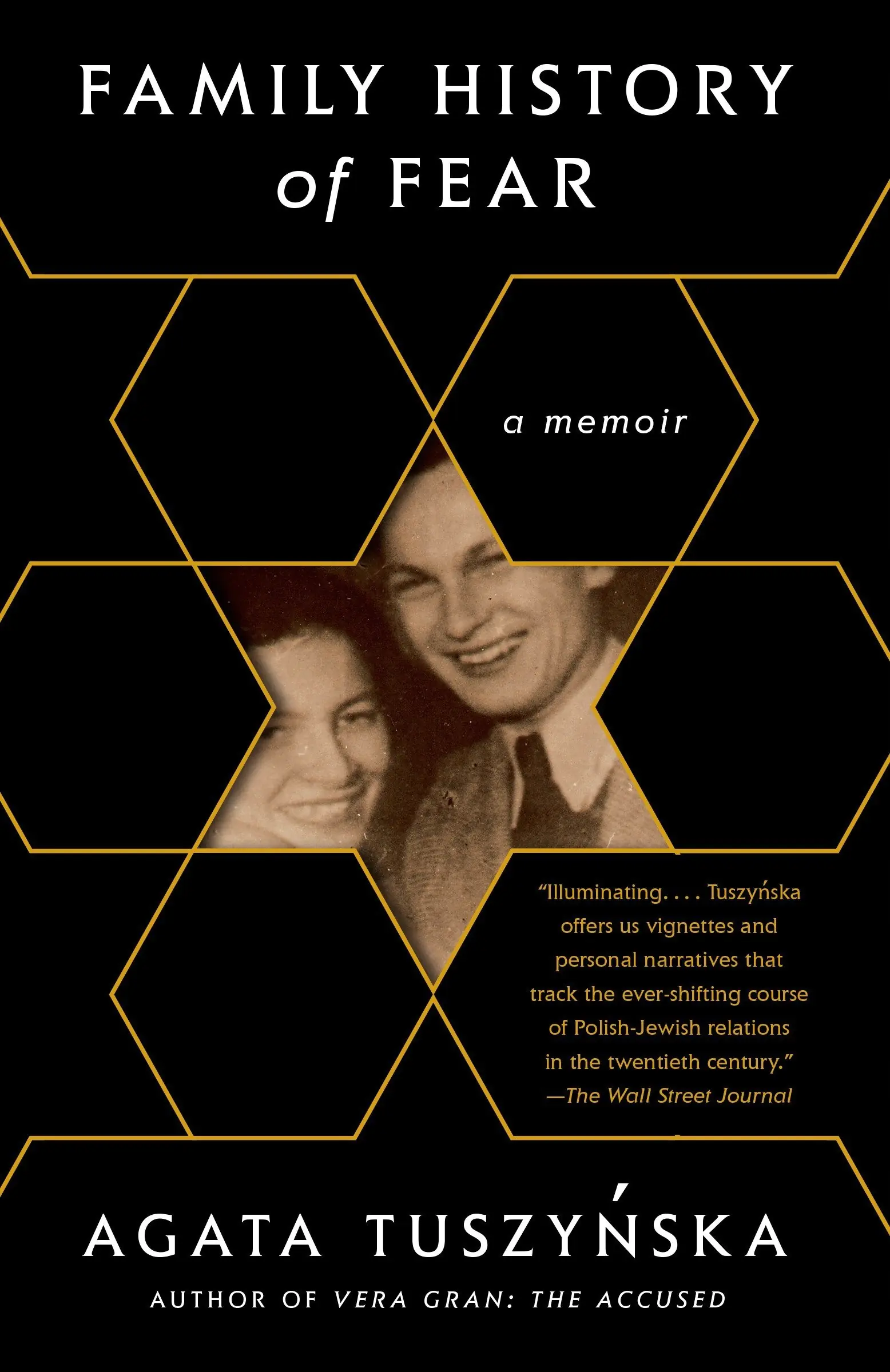
Family History of Fear
DODAJ DO LISTY ŻYCZEŃ
Masz tę lub inne książki?
Sprzedaj je u nas

Agata Tuszyńska, celebrated in Poland as both a poet and a cultural historian, was raised with the appearance and beliefs of a typical Catholic girl—blonde and blue-eyed—in the post war era under Communist rule. However, her life took a dramatic turn when, at the age of nineteen, her mother revealed that she was actually Jewish. This revelation left Tuszyńska grappling with feelings of bewilderment, shame, and disgrace, particularly considering the rampant anti-Semitism prevalent in Poland at the time. Her heartfelt and powerful narrative delves deep into her personal journey to piece together her family's history. She uncovers poignant stories, like her mother's harrowing survival in the Warsaw Ghetto as a child and her eventual escape shortly before the uprising, and her father's transition from a captured Polish soldier during the invasion of 1939 to becoming a celebrated radio sports commentator. By exploring her relatives' enigmatic backgrounds and confronting the ingrained prejudice against Jews in Poland, Tuszyńska not only brings her family's history to light but also embraces a new, profound understanding of her identity.
Wybierz stan zużycia:
WIĘCEJ O SKALI
54.29 zł
nowa
Pakujemy 28.09

- nowa książka
jak nowa
dobry
widoczne ślady używania
Dostępna ilość 11
Uwaga została 1 szt.
Posiadamy 11 szt.
Agata Tuszyńska, celebrated in Poland as both a poet and a cultural historian, was raised with the appearance and beliefs of a typical Catholic girl—blonde and blue-eyed—in the post war era under Communist rule. However, her life took a dramatic turn when, at the age of nineteen, her mother revealed that she was actually Jewish. This revelation left Tuszyńska grappling with feelings of bewilderment, shame, and disgrace, particularly considering the rampant anti-Semitism prevalent in Poland at the time. Her heartfelt and powerful narrative delves deep into her personal journey to piece together her family's history. She uncovers poignant stories, like her mother's harrowing survival in the Warsaw Ghetto as a child and her eventual escape shortly before the uprising, and her father's transition from a captured Polish soldier during the invasion of 1939 to becoming a celebrated radio sports commentator. By exploring her relatives' enigmatic backgrounds and confronting the ingrained prejudice against Jews in Poland, Tuszyńska not only brings her family's history to light but also embraces a new, profound understanding of her identity.
Szczegóły
Inne książki: Agata Tuszyńska

Podobne produkty
Może Ci się spodobać
Inne książki z tej samej kategorii

Napisz opinię o książce i wygraj nagrodę!
W każdym miesiącu wybieramy najlepsze opinie i nagradzamy recenzentów.
Dowiedz się więcejWartość nagród w tym miesiącu
880 zł
Dodaj swoją opinię
Zaloguj się na swoje konto, aby mieć możliwość dodawania opinii.
Czy chcesz zostawić tylko ocenę?
Dodanie samej oceny o książce nie jest brane pod uwagę podczas losowania nagród. By mieć szansę na otrzymanie nagrody musisz napisać opinię o książce.
Już oceniłeś/zrecenzowałeś te książkę w przeszłości.
Możliwe jest dodanie tylko jednej recenzji do każdej z książek.
Sposoby dostawy
Odbiór w punkcie (7)
InPost Paczkomat 24/7

14,99 zł
DPD Pickup Automaty i Punkty Odbioru

11,99 zł





Dostawa na adres (7)
GLS U Ciebie - Kurier

14,99 zł
Kurier DPD

14,99 zł





Sposoby płatności
Płatność z góry
Przedpłata

Zwykły przelew
