Stan książek
Nasze książki są dokładnie sprawdzone i jasno określamy stan każdej z nich.


Nowa
Książka nowa.
Używany - jak nowa
Niezauważalne lub prawie niezauważalne ślady używania. Książkę ciężko odróżnić od nowej pozycji.
Używany - dobry
Normalne ślady używania wynikające z kartkowania podczas czytania, brak większych uszkodzeń lub zagięć.
Używany - widoczne ślady użytkowania
zagięte rogi, przyniszczona okładka, książka posiada wszystkie strony.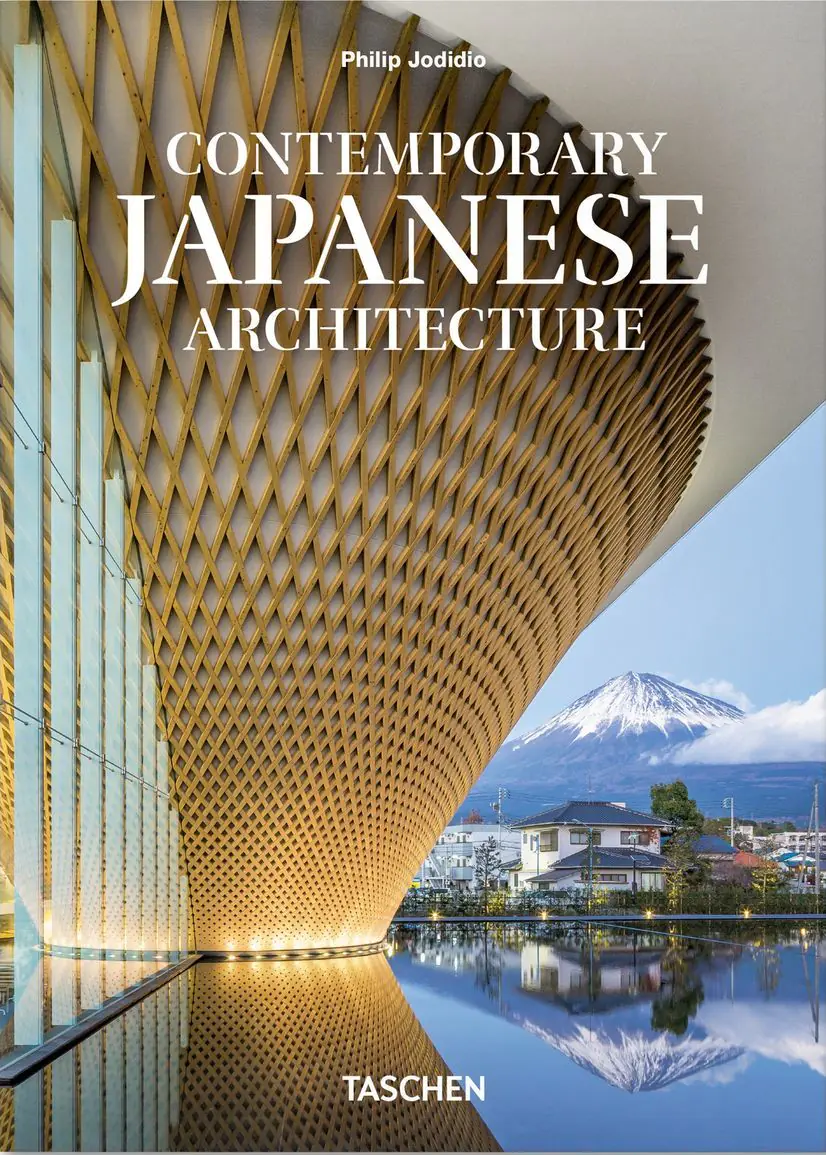
Contemporary Japanese Architecture
Masz tę lub inne książki?
Sprzedaj je u nas

Contemporary Japanese architecture stands out as among the most innovative globally, known for its commitment to sustainability and boundless creativity. The nation boasts eight laureates of the prestigious Pritzker Prize, underscoring its significant influence in the field. Since the Osaka World Expo in 1970 spotlighted avant-garde architectural forms, Japan has become a major influence on the global stage. Pioneers like Tadao Ando have bridged cultural divides with their distinctive geometric designs, symbolizing a fusion of Eastern and Western architectural principles. Following his lead, architects such as Kengo Kuma, Shigeru Ban, and Kazuyo Sejima have embraced more environmentally conscious methodologies. Today’s emerging architects continue to innovate and evolve, drawing inspiration from nature and traditional craftsmanship while constantly exploring new forms. This volume showcases Japan's architectural evolution, linking its creativity to factors such as dense urban environments, a dynamic economy, rich cultural heritage, and a history marked by frequent earthquakes. These elements contribute to a sense of adaptability and resilience, crucial for understanding the distinctive approach of Japanese architecture compared to its European and American counterparts. Adapted from a more extensive publication, this accessible edition profiles 39 architects and presents 55 notable projects, highlighting the ingenuity of Japanese design. Featured works include Tadao Ando’s Shanghai Poly Theater, Shigeru Ban’s La Seine Musical concert hall, SANAA’s Grace Farms, Fumihiko Maki's 4 World Trade Center, and a sustainable dental clinic by Takashi Suo. An in-depth essay traces the progression from the Metabolist movement to contemporary practices, illustrating the dynamic interplay of historical and modern influences that have propelled Japanese architecture to international acclaim.
Wybierz stan zużycia:
WIĘCEJ O SKALI
Contemporary Japanese architecture stands out as among the most innovative globally, known for its commitment to sustainability and boundless creativity. The nation boasts eight laureates of the prestigious Pritzker Prize, underscoring its significant influence in the field. Since the Osaka World Expo in 1970 spotlighted avant-garde architectural forms, Japan has become a major influence on the global stage. Pioneers like Tadao Ando have bridged cultural divides with their distinctive geometric designs, symbolizing a fusion of Eastern and Western architectural principles. Following his lead, architects such as Kengo Kuma, Shigeru Ban, and Kazuyo Sejima have embraced more environmentally conscious methodologies. Today’s emerging architects continue to innovate and evolve, drawing inspiration from nature and traditional craftsmanship while constantly exploring new forms. This volume showcases Japan's architectural evolution, linking its creativity to factors such as dense urban environments, a dynamic economy, rich cultural heritage, and a history marked by frequent earthquakes. These elements contribute to a sense of adaptability and resilience, crucial for understanding the distinctive approach of Japanese architecture compared to its European and American counterparts. Adapted from a more extensive publication, this accessible edition profiles 39 architects and presents 55 notable projects, highlighting the ingenuity of Japanese design. Featured works include Tadao Ando’s Shanghai Poly Theater, Shigeru Ban’s La Seine Musical concert hall, SANAA’s Grace Farms, Fumihiko Maki's 4 World Trade Center, and a sustainable dental clinic by Takashi Suo. An in-depth essay traces the progression from the Metabolist movement to contemporary practices, illustrating the dynamic interplay of historical and modern influences that have propelled Japanese architecture to international acclaim.
Szczegóły
Inne książki: Philip Jodidio

Podobne produkty
Może Ci się spodobać
Inne książki z tej samej kategorii

Napisz opinię o książce i wygraj nagrodę!
W każdym miesiącu wybieramy najlepsze opinie i nagradzamy recenzentów.
Dowiedz się więcejWartość nagród w tym miesiącu
880 zł
Dodaj swoją opinię
Zaloguj się na swoje konto, aby mieć możliwość dodawania opinii.
Czy chcesz zostawić tylko ocenę?
Dodanie samej oceny o książce nie jest brane pod uwagę podczas losowania nagród. By mieć szansę na otrzymanie nagrody musisz napisać opinię o książce.
Już oceniłeś/zrecenzowałeś te książkę w przeszłości.
Możliwe jest dodanie tylko jednej recenzji do każdej z książek.
Sposoby dostawy
Odbiór w punkcie (6)
InPost Paczkomat 24/7

14,99 zł
DPD Pickup Automaty i Punkty Odbioru

10,49 zł




Dostawa na adres (7)
GLS U Ciebie - Kurier

14,99 zł
Kurier DPD

14,99 zł





Sposoby płatności
Płatność z góry
Przedpłata

Zwykły przelew
