Stan książek
Nasze książki są dokładnie sprawdzone i jasno określamy stan każdej z nich.


Nowa
Książka nowa.
Używany - jak nowa
Niezauważalne lub prawie niezauważalne ślady używania. Książkę ciężko odróżnić od nowej pozycji.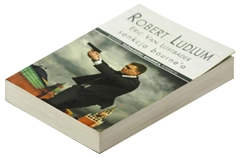
Używany - dobry
Normalne ślady używania wynikające z kartkowania podczas czytania, brak większych uszkodzeń lub zagięć.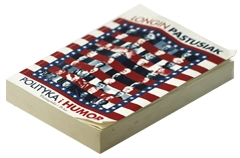
Używany - widoczne ślady użytkowania
zagięte rogi, przyniszczona okładka, książka posiada wszystkie strony.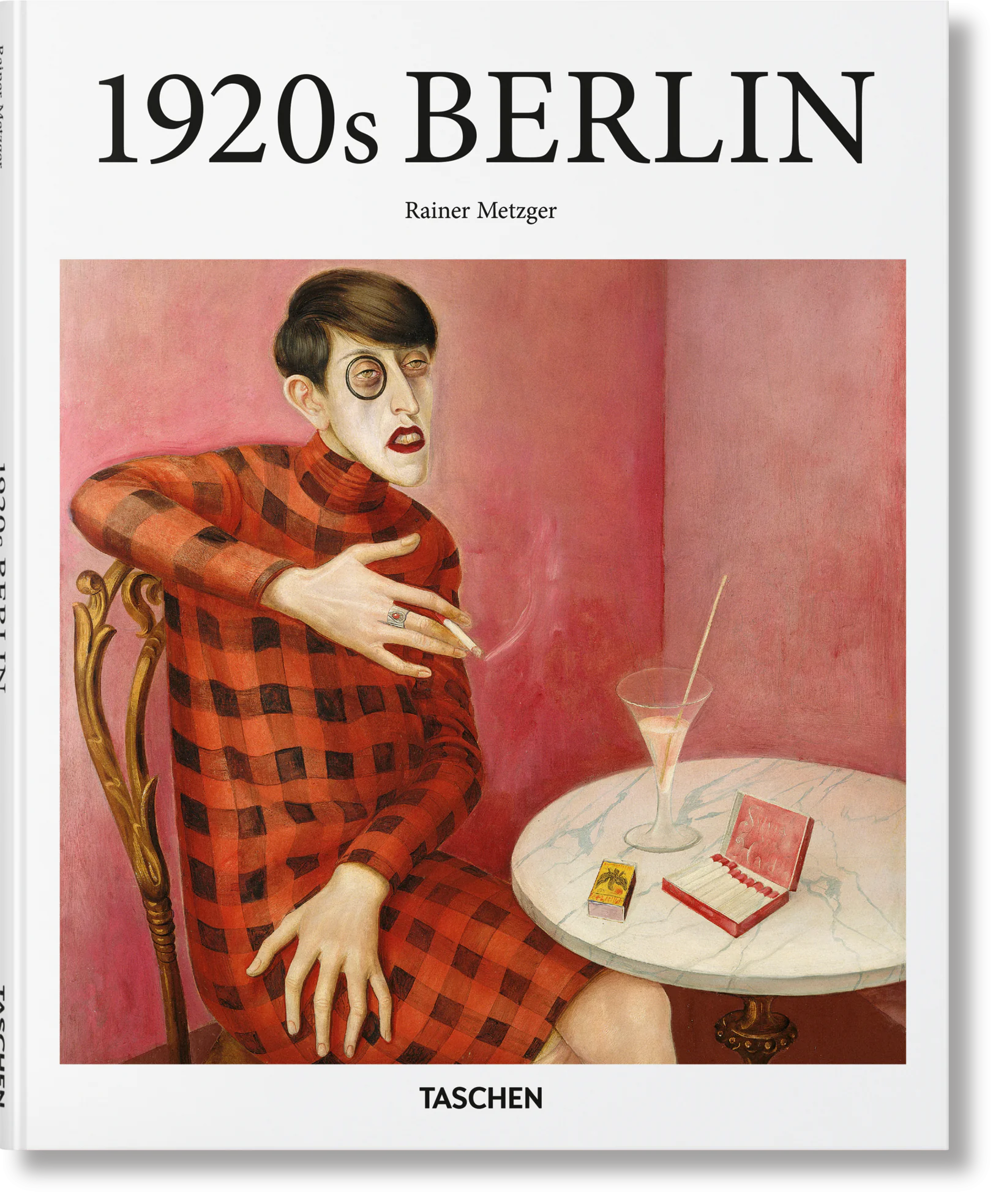
Berlin in the 1920s
Masz tę lub inne książki?
Sprzedaj je u nas

The vibrant atmosphere of Berlin in the 1920s was marked by an unprecedented cultural explosion. This era was a melting pot of artistic expression and innovation, exemplified by daring Expressionist artworks, cutting-edge book design, and the revolutionary concepts of the Bauhaus movement. The period also witnessed breakthroughs in psychology, lively drag events, and the emergence of iconic figures such as Marlene Dietrich in both theater and silent cinema.Set against the backdrop of the interwar period, Berlin was a hub of creativity and forward-thinking, embracing new ideas across various fields of art, architecture, and design. This book transports readers to the heart of this cultural renaissance, showcasing landmark achievements in painting, sculpture, photography, and film that defined the Weimar Republic's artistic spirit. Iconic locations like jazz bars and dance halls, along with the burgeoning fashion trends and technological innovations such as radio towers and tram systems, paint a vivid picture of this bustling metropolis.Highlighting significant works, this book features Hannah Höch's notable piece "The Journalists," Lotte Jacobi’s "Hands on Typewriter," Otto Dix's renowned "Portrait of the Journalist Sylvia von Harden," and Peter Behrens's visionary plans for Alexanderplatz. Additionally, it delves into Josef von Sternberg’s classic film "The Blue Angel," featuring Dietrich in her compelling role as the cabaret singer Lola Lola. Beyond the surface glamour and decadence, the book also explores the underlying economic tensions and political challenges, which included inflation, labor exploitation, and a precarious political landscape. These factors ultimately presaged the Weimar era's downfall, leading to the rise of National Socialism. Through this lens, readers gain a comprehensive understanding of a city that captured the world's imagination while being on the brink of profound change.
Wybierz stan zużycia:
WIĘCEJ O SKALI
The vibrant atmosphere of Berlin in the 1920s was marked by an unprecedented cultural explosion. This era was a melting pot of artistic expression and innovation, exemplified by daring Expressionist artworks, cutting-edge book design, and the revolutionary concepts of the Bauhaus movement. The period also witnessed breakthroughs in psychology, lively drag events, and the emergence of iconic figures such as Marlene Dietrich in both theater and silent cinema.Set against the backdrop of the interwar period, Berlin was a hub of creativity and forward-thinking, embracing new ideas across various fields of art, architecture, and design. This book transports readers to the heart of this cultural renaissance, showcasing landmark achievements in painting, sculpture, photography, and film that defined the Weimar Republic's artistic spirit. Iconic locations like jazz bars and dance halls, along with the burgeoning fashion trends and technological innovations such as radio towers and tram systems, paint a vivid picture of this bustling metropolis.Highlighting significant works, this book features Hannah Höch's notable piece "The Journalists," Lotte Jacobi’s "Hands on Typewriter," Otto Dix's renowned "Portrait of the Journalist Sylvia von Harden," and Peter Behrens's visionary plans for Alexanderplatz. Additionally, it delves into Josef von Sternberg’s classic film "The Blue Angel," featuring Dietrich in her compelling role as the cabaret singer Lola Lola. Beyond the surface glamour and decadence, the book also explores the underlying economic tensions and political challenges, which included inflation, labor exploitation, and a precarious political landscape. These factors ultimately presaged the Weimar era's downfall, leading to the rise of National Socialism. Through this lens, readers gain a comprehensive understanding of a city that captured the world's imagination while being on the brink of profound change.
Szczegóły
Inne książki tych autorów

Podobne produkty
Może Ci się spodobać
Inne książki z tej samej kategorii

Napisz opinię o książce i wygraj nagrodę!
W każdym miesiącu wybieramy najlepsze opinie i nagradzamy recenzentów.
Dowiedz się więcejWartość nagród w tym miesiącu
880 zł
Dodaj swoją opinię
Zaloguj się na swoje konto, aby mieć możliwość dodawania opinii.
Czy chcesz zostawić tylko ocenę?
Dodanie samej oceny o książce nie jest brane pod uwagę podczas losowania nagród. By mieć szansę na otrzymanie nagrody musisz napisać opinię o książce.
Już oceniłeś/zrecenzowałeś te książkę w przeszłości.
Możliwe jest dodanie tylko jednej recenzji do każdej z książek.
Sposoby dostawy
Odbiór w punkcie (6)
InPost Paczkomat 24/7

14,99 zł
DPD Pickup Automaty i Punkty Odbioru

10,49 zł




Dostawa na adres (7)
GLS U Ciebie - Kurier

14,99 zł
Kurier DPD

14,99 zł





Sposoby płatności
Płatność z góry
Przedpłata

Zwykły przelew
