Stan książek
Nasze książki są dokładnie sprawdzone i jasno określamy stan każdej z nich.
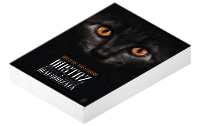

Nowa
Książka nowa.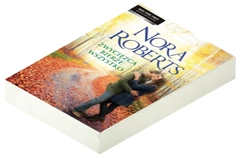
Używany - jak nowa
Niezauważalne lub prawie niezauważalne ślady używania. Książkę ciężko odróżnić od nowej pozycji.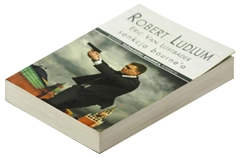
Używany - dobry
Normalne ślady używania wynikające z kartkowania podczas czytania, brak większych uszkodzeń lub zagięć.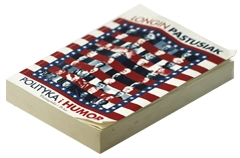
Używany - widoczne ślady użytkowania
zagięte rogi, przyniszczona okładka, książka posiada wszystkie strony.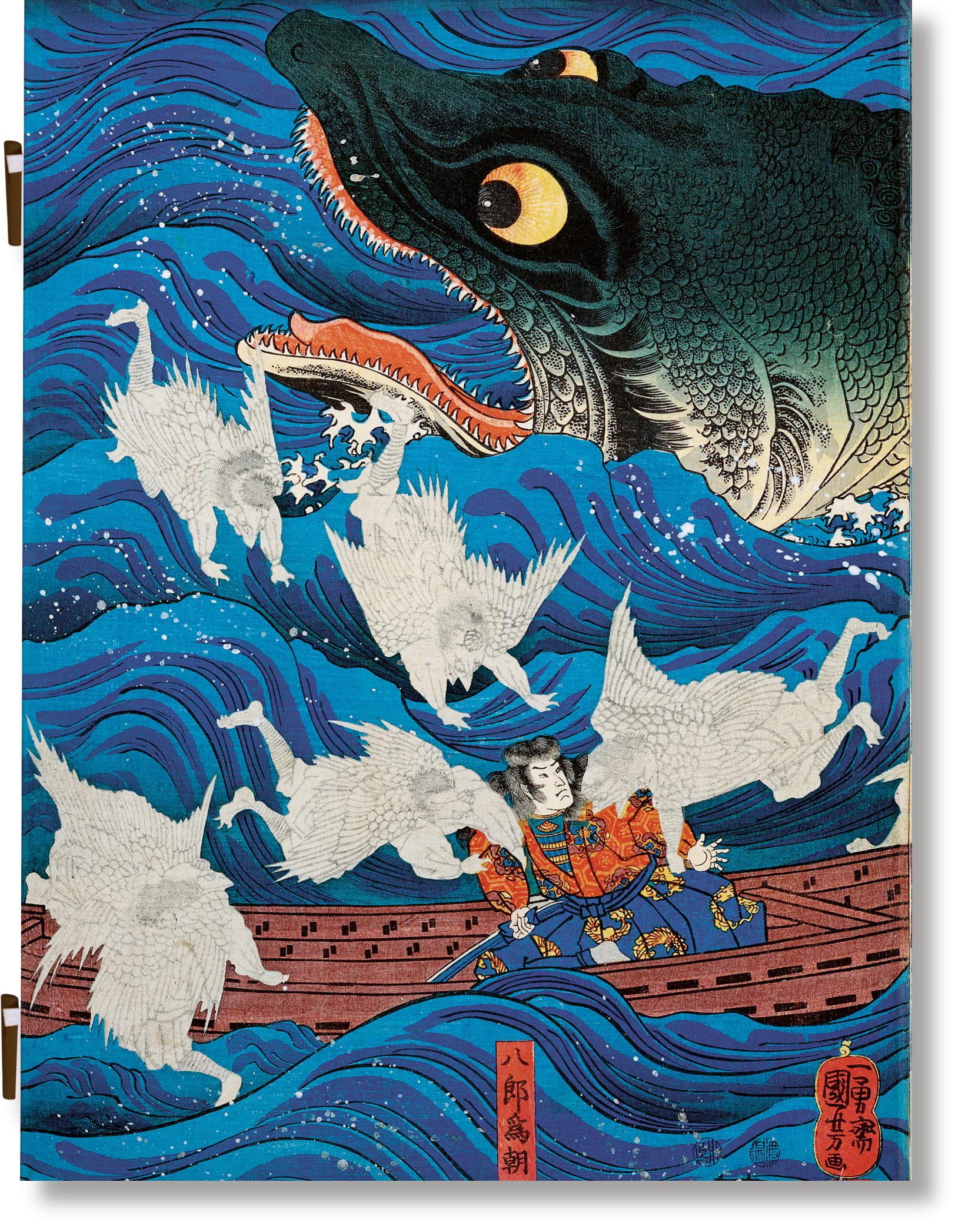
Art, Japanese Woodblock Prints
Masz tę lub inne książki?
Sprzedaj je u nas

The 19th century saw European modernists openly expressing their admiration for Japanese art, as evidenced by Edouard Manet's painting of writer Émile Zola surrounded by his collection of Japanese items and Van Gogh's detailed recreations of Hiroshige prints. These artists were captivated by the unique charm and vibrancy of Japanese woodblock prints, which played a crucial role in the phenomenon of japonaiserie that initially captured the imagination of France and subsequently the rest of Europe. However, these prints are often mistakenly seen merely as exotic objects that inspired Western art, rather than being appreciated for their true value. The Japanese woodblock print is a masterpiece without a counterpart in Western art. The origins of many of modern art's revolutionary concepts can be traced back to Japan in the 1700s, later brought to life in the works of renowned artists like Hokusai, Utamaro, and Hiroshige in the early 1800s. This book endeavors to uncover the depth and complexity of this widely cherished yet frequently misunderstood art form.
Wybierz stan zużycia:
WIĘCEJ O SKALI
The 19th century saw European modernists openly expressing their admiration for Japanese art, as evidenced by Edouard Manet's painting of writer Émile Zola surrounded by his collection of Japanese items and Van Gogh's detailed recreations of Hiroshige prints. These artists were captivated by the unique charm and vibrancy of Japanese woodblock prints, which played a crucial role in the phenomenon of japonaiserie that initially captured the imagination of France and subsequently the rest of Europe. However, these prints are often mistakenly seen merely as exotic objects that inspired Western art, rather than being appreciated for their true value. The Japanese woodblock print is a masterpiece without a counterpart in Western art. The origins of many of modern art's revolutionary concepts can be traced back to Japan in the 1700s, later brought to life in the works of renowned artists like Hokusai, Utamaro, and Hiroshige in the early 1800s. This book endeavors to uncover the depth and complexity of this widely cherished yet frequently misunderstood art form.
Szczegóły
Inne książki: Andreas Marks

Podobne produkty
Może Ci się spodobać
Inne książki z tej samej kategorii

Napisz opinię o książce i wygraj nagrodę!
W każdym miesiącu wybieramy najlepsze opinie i nagradzamy recenzentów.
Dowiedz się więcejWartość nagród w tym miesiącu
880 zł
Dodaj swoją opinię
Zaloguj się na swoje konto, aby mieć możliwość dodawania opinii.
Czy chcesz zostawić tylko ocenę?
Dodanie samej oceny o książce nie jest brane pod uwagę podczas losowania nagród. By mieć szansę na otrzymanie nagrody musisz napisać opinię o książce.
Już oceniłeś/zrecenzowałeś te książkę w przeszłości.
Możliwe jest dodanie tylko jednej recenzji do każdej z książek.
Sposoby dostawy
Odbiór w punkcie (6)
InPost Paczkomat 24/7

13,99 zł
ORLEN Paczka

12,99 zł




Dostawa na adres (7)
GLS U Ciebie - Kurier

14,99 zł
Kurier DPD

14,99 zł





Sposoby płatności
Płatność z góry
Przedpłata

Zwykły przelew
