Stan książek
Nasze książki są dokładnie sprawdzone i jasno określamy stan każdej z nich.
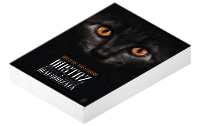

Nowa
Książka nowa.
Używany - jak nowa
Niezauważalne lub prawie niezauważalne ślady używania. Książkę ciężko odróżnić od nowej pozycji.
Używany - dobry
Normalne ślady używania wynikające z kartkowania podczas czytania, brak większych uszkodzeń lub zagięć.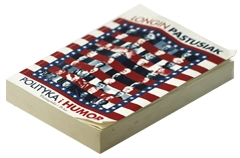
Używany - widoczne ślady użytkowania
zagięte rogi, przyniszczona okładka, książka posiada wszystkie strony.
The Scars of War and Transnational Empathy...
Masz tę lub inne książki?
Sprzedaj je u nas

Amidst the backdrop of high-stakes politics and military struggles lie the untold stories of children whose lives have been devastated. "The Scars of War and Transnational Empathy: Korean War Orphans and Polish Humanitarianism" offers an insightful exploration of the experiences of Korean war orphans and the humanitarian efforts extended by Poland during the Korean War from 1950 to 1953. What does conflict look like through the eyes of a child? What motivates a distant nation to assist those most affected by warfare? Haesung Lee delves into primary sources to reveal the emotional challenges faced by these young survivors. Lee also examines their journey within Polish childcare facilities and highlights how empathy plays a crucial role in personal lives and international relationships. This interdisciplinary work showcases how solidarity can transcend national and cultural boundaries, blending historical, sociological, and psychological insights. Over five chapters, the book delves into theories of trauma and empathy, the political backdrop of the Korean War, Polish Red Cross initiatives, how children were received into Polish care systems, and their futures both in Poland and back in Korea. The inclusion of unpublished photos and letters, along with a comprehensive bibliography using sources in Polish, English, and Korean, further enriches the narrative. The book sheds light on a lesser-known aspect of Poland and Korea's intertwined histories, offering a complex view of global empathy. It adds significantly to our understanding of war's ramifications and the value of global solidarity, making it an engaging read for scholars and students in various fields, including history, sociology, psychology, and Korean studies, as well as for anyone interested in warfare and international affairs.
Wybierz stan zużycia:
WIĘCEJ O SKALI
Amidst the backdrop of high-stakes politics and military struggles lie the untold stories of children whose lives have been devastated. "The Scars of War and Transnational Empathy: Korean War Orphans and Polish Humanitarianism" offers an insightful exploration of the experiences of Korean war orphans and the humanitarian efforts extended by Poland during the Korean War from 1950 to 1953. What does conflict look like through the eyes of a child? What motivates a distant nation to assist those most affected by warfare? Haesung Lee delves into primary sources to reveal the emotional challenges faced by these young survivors. Lee also examines their journey within Polish childcare facilities and highlights how empathy plays a crucial role in personal lives and international relationships. This interdisciplinary work showcases how solidarity can transcend national and cultural boundaries, blending historical, sociological, and psychological insights. Over five chapters, the book delves into theories of trauma and empathy, the political backdrop of the Korean War, Polish Red Cross initiatives, how children were received into Polish care systems, and their futures both in Poland and back in Korea. The inclusion of unpublished photos and letters, along with a comprehensive bibliography using sources in Polish, English, and Korean, further enriches the narrative. The book sheds light on a lesser-known aspect of Poland and Korea's intertwined histories, offering a complex view of global empathy. It adds significantly to our understanding of war's ramifications and the value of global solidarity, making it an engaging read for scholars and students in various fields, including history, sociology, psychology, and Korean studies, as well as for anyone interested in warfare and international affairs.
Szczegóły
Inne książki: Hae Lee

Podobne produkty
Może Ci się spodobać
Inne książki z tej samej kategorii

Napisz opinię o książce i wygraj nagrodę!
W każdym miesiącu wybieramy najlepsze opinie i nagradzamy recenzentów.
Dowiedz się więcejWartość nagród w tym miesiącu
880 zł
Dodaj swoją opinię
Zaloguj się na swoje konto, aby mieć możliwość dodawania opinii.
Czy chcesz zostawić tylko ocenę?
Dodanie samej oceny o książce nie jest brane pod uwagę podczas losowania nagród. By mieć szansę na otrzymanie nagrody musisz napisać opinię o książce.
Już oceniłeś/zrecenzowałeś te książkę w przeszłości.
Możliwe jest dodanie tylko jednej recenzji do każdej z książek.
Sposoby dostawy
Odbiór w punkcie (6)
InPost Paczkomaty 24/7

13,99 zł
ORLEN Paczka

12,99 zł


Dostawa na adres (7)
GLS U Ciebie - Kurier

14,99 zł
Kurier DPD

14,99 zł





Sposoby płatności
Płatność z góry
Przedpłata

Zwykły przelew
