Stan książek
Nasze książki są dokładnie sprawdzone i jasno określamy stan każdej z nich.
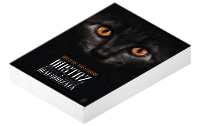

Nowa
Książka nowa.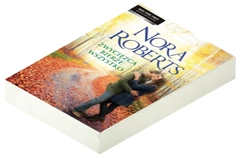
Używany - jak nowa
Niezauważalne lub prawie niezauważalne ślady używania. Książkę ciężko odróżnić od nowej pozycji.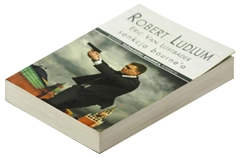
Używany - dobry
Normalne ślady używania wynikające z kartkowania podczas czytania, brak większych uszkodzeń lub zagięć.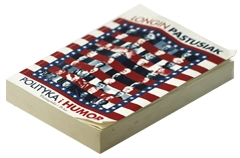
Używany - widoczne ślady użytkowania
zagięte rogi, przyniszczona okładka, książka posiada wszystkie strony.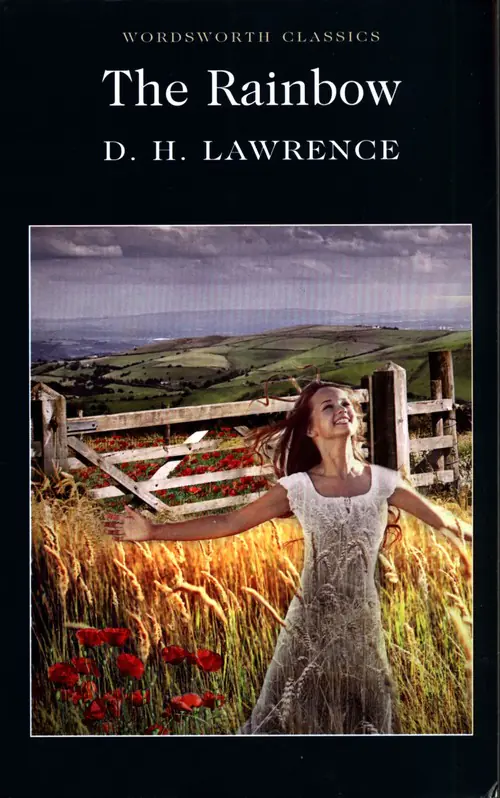
The Rainbow
Masz tę lub inne książki?
Sprzedaj je u nas

In 1915, the candid depiction of sexuality in D.H. Lawrence's "The Rainbow" sparked an uproar, leading to the novel's confiscation by the police and an immediate ban upon its release. Despite its controversial beginnings, it is now hailed as one of the twentieth century's quintessential English novels. "The Rainbow" traces the lives of the Brangwen family over three generations in Nottinghamshire, spanning from the 1840s to the early 1900s. Lawrence delves into the passionate lives of his characters against the backdrop of societal pressures, employing religious symbolism with the 'rainbow' serving as a central, unifying theme. At its core, the novel examines the individual's quest for personal growth and gratification within the confines of marriage and evolving social dynamics—a journey that becomes increasingly complex with each generation. Central to this exploration is young Ursula Brangwen, whose narrative continues in "Women in Love." She emerges as the key figure in Lawrence's critique of the restrictive structures of English society and the psychological effects of industrialization and urbanization.
Wybierz stan zużycia:
WIĘCEJ O SKALI
In 1915, the candid depiction of sexuality in D.H. Lawrence's "The Rainbow" sparked an uproar, leading to the novel's confiscation by the police and an immediate ban upon its release. Despite its controversial beginnings, it is now hailed as one of the twentieth century's quintessential English novels. "The Rainbow" traces the lives of the Brangwen family over three generations in Nottinghamshire, spanning from the 1840s to the early 1900s. Lawrence delves into the passionate lives of his characters against the backdrop of societal pressures, employing religious symbolism with the 'rainbow' serving as a central, unifying theme. At its core, the novel examines the individual's quest for personal growth and gratification within the confines of marriage and evolving social dynamics—a journey that becomes increasingly complex with each generation. Central to this exploration is young Ursula Brangwen, whose narrative continues in "Women in Love." She emerges as the key figure in Lawrence's critique of the restrictive structures of English society and the psychological effects of industrialization and urbanization.
Szczegóły
24.89 zł
nowa
-
24.89 zł
nowa

Inne książki: David Herbert Lawrence

Podobne produkty
Może Ci się spodobać
Inne książki z tej samej kategorii

Napisz opinię o książce i wygraj nagrodę!
W każdym miesiącu wybieramy najlepsze opinie i nagradzamy recenzentów.
Dowiedz się więcejWartość nagród w tym miesiącu
880 zł
Dodaj swoją opinię
Zaloguj się na swoje konto, aby mieć możliwość dodawania opinii.
Czy chcesz zostawić tylko ocenę?
Dodanie samej oceny o książce nie jest brane pod uwagę podczas losowania nagród. By mieć szansę na otrzymanie nagrody musisz napisać opinię o książce.
Już oceniłeś/zrecenzowałeś te książkę w przeszłości.
Możliwe jest dodanie tylko jednej recenzji do każdej z książek.
Sposoby dostawy
Odbiór w punkcie (6)
InPost Paczkomat 24/7

13,99 zł
ORLEN Paczka

12,99 zł




Dostawa na adres (7)
GLS U Ciebie - Kurier

14,99 zł
Kurier DPD

14,99 zł





Sposoby płatności
Płatność z góry
Przedpłata

Zwykły przelew
