Stan książek
Nasze książki są dokładnie sprawdzone i jasno określamy stan każdej z nich.
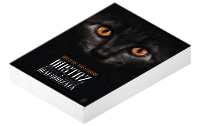

Nowa
Książka nowa.
Używany - jak nowa
Niezauważalne lub prawie niezauważalne ślady używania. Książkę ciężko odróżnić od nowej pozycji.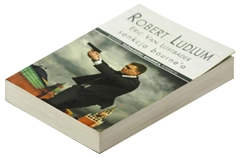
Używany - dobry
Normalne ślady używania wynikające z kartkowania podczas czytania, brak większych uszkodzeń lub zagięć.
Używany - widoczne ślady użytkowania
zagięte rogi, przyniszczona okładka, książka posiada wszystkie strony.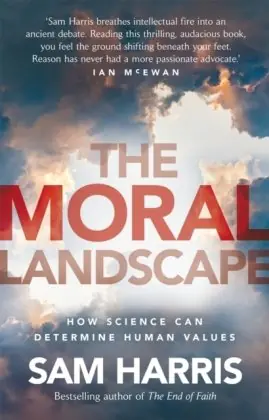
The Moral Landscape
Masz tę lub inne książki?
Sprzedaj je u nas

Sam Harris's inaugural work, "The End of Faith," sparked intense global discussions on the legitimacy of religion. In its wake, Harris realized a common belief held by both devout believers and skeptical scientists: that science is silent on human values. This perceived silence is often cited as a primary reason for maintaining religious faith. In his provocative follow-up, Harris aims to bridge morality with human knowledge. By defining morality through the lens of both human and animal well-being, he asserts that science can extend beyond describing what is, to prescribing what ought to be. Harris contends that moral relativism is a flawed concept that burdens society. He argues against religion's role in shaping values by positing that just as science isn't segmented into Christian or Muslim versions, morality shouldn't be either. Drawing from his knowledge in philosophy and neuroscience, and his engagement in cultural debates, Harris offers a groundbreaking perspective on how science could shape the future and redefine the foundations of human unity.
Wybierz stan zużycia:
WIĘCEJ O SKALI
Sam Harris's inaugural work, "The End of Faith," sparked intense global discussions on the legitimacy of religion. In its wake, Harris realized a common belief held by both devout believers and skeptical scientists: that science is silent on human values. This perceived silence is often cited as a primary reason for maintaining religious faith. In his provocative follow-up, Harris aims to bridge morality with human knowledge. By defining morality through the lens of both human and animal well-being, he asserts that science can extend beyond describing what is, to prescribing what ought to be. Harris contends that moral relativism is a flawed concept that burdens society. He argues against religion's role in shaping values by positing that just as science isn't segmented into Christian or Muslim versions, morality shouldn't be either. Drawing from his knowledge in philosophy and neuroscience, and his engagement in cultural debates, Harris offers a groundbreaking perspective on how science could shape the future and redefine the foundations of human unity.
Szczegóły
Inne książki: Sam Harris

Podobne produkty
Może Ci się spodobać
Inne książki z tej samej kategorii

Napisz opinię o książce i wygraj nagrodę!
W każdym miesiącu wybieramy najlepsze opinie i nagradzamy recenzentów.
Dowiedz się więcejWartość nagród w tym miesiącu
880 zł
Dodaj swoją opinię
Zaloguj się na swoje konto, aby mieć możliwość dodawania opinii.
Czy chcesz zostawić tylko ocenę?
Dodanie samej oceny o książce nie jest brane pod uwagę podczas losowania nagród. By mieć szansę na otrzymanie nagrody musisz napisać opinię o książce.
Już oceniłeś/zrecenzowałeś te książkę w przeszłości.
Możliwe jest dodanie tylko jednej recenzji do każdej z książek.
Sposoby dostawy
Odbiór w punkcie (6)
InPost Paczkomat 24/7

14,99 zł
DPD Pickup Automaty i Punkty Odbioru

10,49 zł




Dostawa na adres (7)
GLS U Ciebie - Kurier

14,99 zł
Kurier DPD

14,99 zł





Sposoby płatności
Płatność z góry
Przedpłata

Zwykły przelew
