Stan książek
Nasze książki są dokładnie sprawdzone i jasno określamy stan każdej z nich.


Nowa
Książka nowa.
Używany - jak nowa
Niezauważalne lub prawie niezauważalne ślady używania. Książkę ciężko odróżnić od nowej pozycji.
Używany - dobry
Normalne ślady używania wynikające z kartkowania podczas czytania, brak większych uszkodzeń lub zagięć.
Używany - widoczne ślady użytkowania
zagięte rogi, przyniszczona okładka, książka posiada wszystkie strony.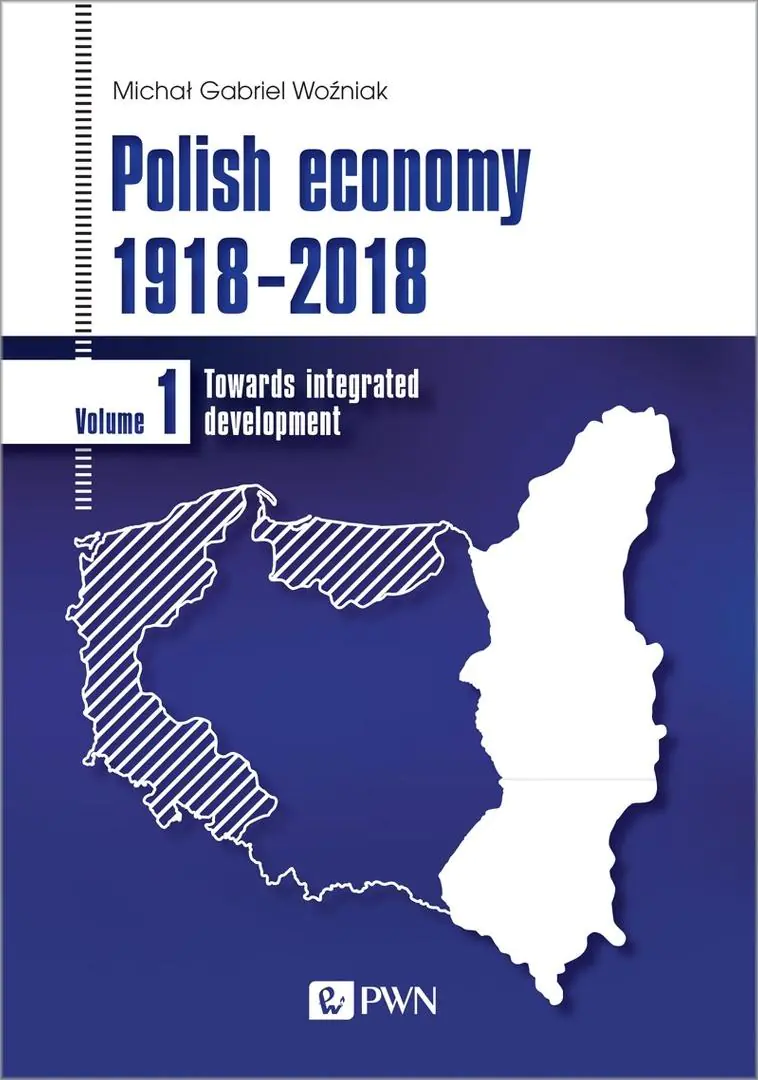
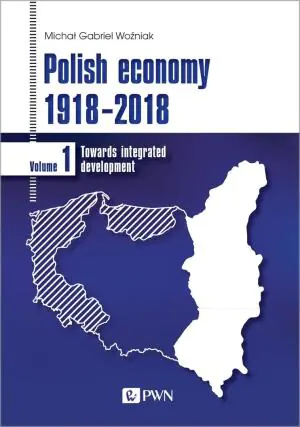
Polish economy 1918-2018
Masz tę lub inne książki?
Sprzedaj je u nas

History often signals cautionary tales, but the ability to discern which elements are fleeting and which can endure for generations is essential. System reforms aimed at improving efficiency cannot be effectively implemented without an understanding of how institutions operate within a historical context. Modernizing these structures is viable, yet the success of new reforms hinges significantly on the integration of established ways of thinking and acting rooted in the past. Without a solid foundation in historical knowledge, theoretical recommendations risk becoming mere idealistic hopes, with reforms ultimately proving unsatisfactory over time. Professor Michał G. Woźniak consistently contributes valuable insights to economic discourse, and his latest work is no exception. This comprehensive study delves into the complex economic developments in Poland from 1918 to 2018. The task of analyzing the more distant past is often simpler due to the clarity provided by hindsight. In contrast, assessing recent decades, in which we have played an active role, poses a greater challenge. Nevertheless, Woźniak adeptly identifies the fundamental weaknesses that have hindered the realization of integrated economic development, an objective highly regarded by many, including himself.As Poland commemorates a century of regained independence, Woźniak uses this milestone as a backdrop to illustrate how historical lessons can inform and inspire contemporary practice. He advocates for a comprehensive perspective that evaluates the interconnectedness between the economic domain and other facets of "human existence and action." This book offers a thorough examination of Poland's economic strategies over time, providing sharp insights that enhance our understanding of the current economic landscape. The publication emerges as a vital contribution to the ongoing dialogue in Poland regarding economic direction and strategy, focusing on fostering an innovative, integrated economy and enhancing human capital. This work holds particular significance for economists, sociologists, and policymakers alike, who are tasked with shaping the future course of development.
Wybierz stan zużycia:
WIĘCEJ O SKALI
History often signals cautionary tales, but the ability to discern which elements are fleeting and which can endure for generations is essential. System reforms aimed at improving efficiency cannot be effectively implemented without an understanding of how institutions operate within a historical context. Modernizing these structures is viable, yet the success of new reforms hinges significantly on the integration of established ways of thinking and acting rooted in the past. Without a solid foundation in historical knowledge, theoretical recommendations risk becoming mere idealistic hopes, with reforms ultimately proving unsatisfactory over time. Professor Michał G. Woźniak consistently contributes valuable insights to economic discourse, and his latest work is no exception. This comprehensive study delves into the complex economic developments in Poland from 1918 to 2018. The task of analyzing the more distant past is often simpler due to the clarity provided by hindsight. In contrast, assessing recent decades, in which we have played an active role, poses a greater challenge. Nevertheless, Woźniak adeptly identifies the fundamental weaknesses that have hindered the realization of integrated economic development, an objective highly regarded by many, including himself.As Poland commemorates a century of regained independence, Woźniak uses this milestone as a backdrop to illustrate how historical lessons can inform and inspire contemporary practice. He advocates for a comprehensive perspective that evaluates the interconnectedness between the economic domain and other facets of "human existence and action." This book offers a thorough examination of Poland's economic strategies over time, providing sharp insights that enhance our understanding of the current economic landscape. The publication emerges as a vital contribution to the ongoing dialogue in Poland regarding economic direction and strategy, focusing on fostering an innovative, integrated economy and enhancing human capital. This work holds particular significance for economists, sociologists, and policymakers alike, who are tasked with shaping the future course of development.
Szczegóły
Dane producenta:
137.19 zł
nowa
-
137.19 zł
nowa

Inne książki: Michał Gabriel Woźniak

Podobne produkty
Może Ci się spodobać
Inne książki z tej samej kategorii

Napisz opinię o książce i wygraj nagrodę!
W każdym miesiącu wybieramy najlepsze opinie i nagradzamy recenzentów.
Dowiedz się więcejWartość nagród w tym miesiącu
880 zł
Dodaj swoją opinię
Zaloguj się na swoje konto, aby mieć możliwość dodawania opinii.
Czy chcesz zostawić tylko ocenę?
Dodanie samej oceny o książce nie jest brane pod uwagę podczas losowania nagród. By mieć szansę na otrzymanie nagrody musisz napisać opinię o książce.
Już oceniłeś/zrecenzowałeś te książkę w przeszłości.
Możliwe jest dodanie tylko jednej recenzji do każdej z książek.
Sposoby dostawy
Odbiór w punkcie (6)
InPost Paczkomat 24/7

13,99 zł
ORLEN Paczka

12,99 zł




Dostawa na adres (7)
GLS U Ciebie - Kurier

14,99 zł
Kurier DPD

14,99 zł





Sposoby płatności
Płatność z góry
Przedpłata

Zwykły przelew
