Stan książek
Nasze książki są dokładnie sprawdzone i jasno określamy stan każdej z nich.
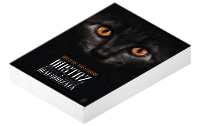

Nowa
Książka nowa.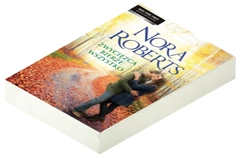
Używany - jak nowa
Niezauważalne lub prawie niezauważalne ślady używania. Książkę ciężko odróżnić od nowej pozycji.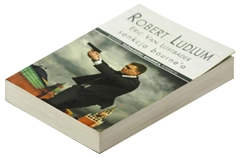
Używany - dobry
Normalne ślady używania wynikające z kartkowania podczas czytania, brak większych uszkodzeń lub zagięć.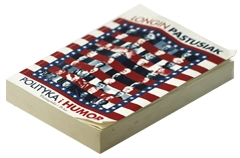
Używany - widoczne ślady użytkowania
zagięte rogi, przyniszczona okładka, książka posiada wszystkie strony.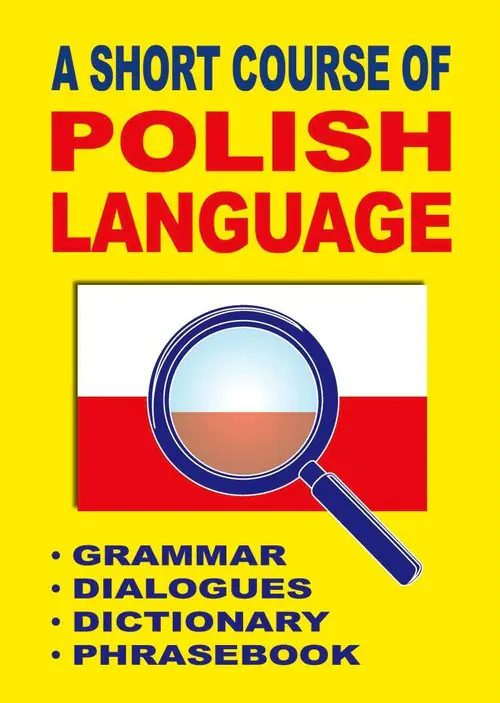
A Short Course of Polish Language. Grammar, Dialogues, Dictionary, Phrasebook
DODAJ DO LISTY ŻYCZEŃ
Masz tę lub inne książki?
Sprzedaj je u nas

This book aims to assist English-speaking individuals in their journey of learning Polish, specifically at beginner and intermediate stages, by offering a concise overview of the most vital grammatical elements of the language. The complexity of Polish grammar presents a unique challenge for learners due to its extensive inflection and relatively flexible word order, making it a delight for poets but often a hurdle for students. One particular difficulty lies in the absence of articles and the recognition of noun gender by their endings, which poses a challenge given the multitude of endings and numerous exceptions to grammatical rules, casting doubt on the consistency of these rules.The book is divided into two sections: "A Guide to Polish Grammar," which outlines the grammatical framework, and "English-Polish Dictionary and Phrasebook," which includes phrases, snippets, dialogues, declensions, and conjugations. This section serves double duty as both a dictionary and a textbook, helping learners articulate thoughts in Polish when they cannot do so independently. To aid in everyday communication with Polish speakers, key entries, dialogues, and phrases include phonetic transcriptions for easier pronunciation.
Wybierz stan zużycia:
WIĘCEJ O SKALI
31.80 zł
nowa
Pakujemy jutro

- nowa książka
jak nowa
dobry
widoczne ślady używania
Dostępna ilość 9
Uwaga została 1 szt.
Posiadamy 9 szt.
This book aims to assist English-speaking individuals in their journey of learning Polish, specifically at beginner and intermediate stages, by offering a concise overview of the most vital grammatical elements of the language. The complexity of Polish grammar presents a unique challenge for learners due to its extensive inflection and relatively flexible word order, making it a delight for poets but often a hurdle for students. One particular difficulty lies in the absence of articles and the recognition of noun gender by their endings, which poses a challenge given the multitude of endings and numerous exceptions to grammatical rules, casting doubt on the consistency of these rules.The book is divided into two sections: "A Guide to Polish Grammar," which outlines the grammatical framework, and "English-Polish Dictionary and Phrasebook," which includes phrases, snippets, dialogues, declensions, and conjugations. This section serves double duty as both a dictionary and a textbook, helping learners articulate thoughts in Polish when they cannot do so independently. To aid in everyday communication with Polish speakers, key entries, dialogues, and phrases include phonetic transcriptions for easier pronunciation.
Szczegóły
Dane producenta:

Inne książki: Jacek Gordon

Podobne produkty
Może Ci się spodobać
Inne książki z tej samej kategorii

Napisz opinię o książce i wygraj nagrodę!
W każdym miesiącu wybieramy najlepsze opinie i nagradzamy recenzentów.
Dowiedz się więcejWartość nagród w tym miesiącu
880 zł
Dodaj swoją opinię
Zaloguj się na swoje konto, aby mieć możliwość dodawania opinii.
Czy chcesz zostawić tylko ocenę?
Dodanie samej oceny o książce nie jest brane pod uwagę podczas losowania nagród. By mieć szansę na otrzymanie nagrody musisz napisać opinię o książce.
Już oceniłeś/zrecenzowałeś te książkę w przeszłości.
Możliwe jest dodanie tylko jednej recenzji do każdej z książek.
Sposoby dostawy
Odbiór w punkcie (7)
InPost Paczkomat 24/7

14,99 zł
DPD Pickup Automaty i Punkty Odbioru

11,99 zł




Dostawa na adres (7)
GLS U Ciebie - Kurier
14,99 zł
Kurier DPD

14,99 zł





Sposoby płatności
Płatność z góry
Przedpłata

Zwykły przelew
