Stan książek
Nasze książki są dokładnie sprawdzone i jasno określamy stan każdej z nich.


Nowa
Książka nowa.
Używany - jak nowa
Niezauważalne lub prawie niezauważalne ślady używania. Książkę ciężko odróżnić od nowej pozycji.
Używany - dobry
Normalne ślady używania wynikające z kartkowania podczas czytania, brak większych uszkodzeń lub zagięć.
Używany - widoczne ślady użytkowania
zagięte rogi, przyniszczona okładka, książka posiada wszystkie strony.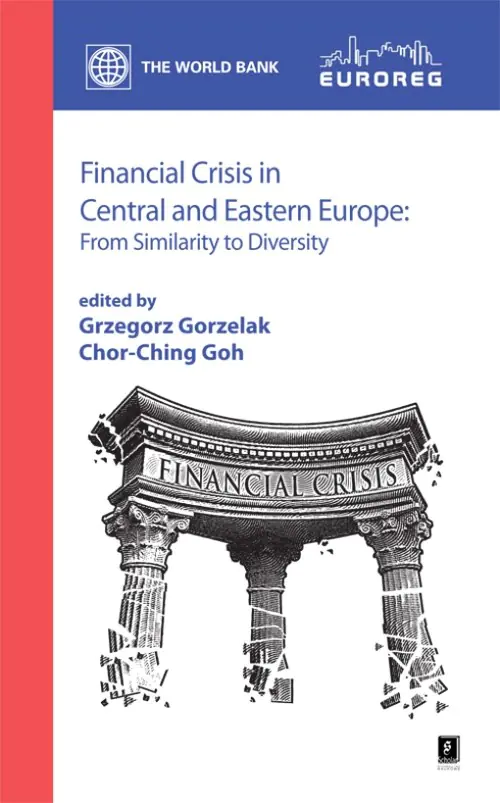
Financial Crisis in Central and Eastern Europe
Masz tę lub inne książki?
Sprzedaj je u nas

The financial crisis of 2008–2009 emerged as a significant challenge for Central and Eastern European nations following their transition from socialism and subsequent integration into the European Union. The recession’s detrimental effects on their primary international partners exacerbated existing internal stresses and economic imbalances, leading to severe GDP declines and substantial reductions in public spending and personal incomes in certain cases. The impact within this region was not uniform. Poland stood out as the sole European country that did not enter a recession, while the Baltic Republics experienced a substantial economic contraction, losing approximately a fifth of their output. Responses to the crisis varied widely among the nations. Nonetheless, the New Member States collectively faced the crisis with considerable courage and effectiveness, attributed to their resilient adaptability and the flexibility of both political elites and the broader populace. As such, they could serve as a model for other EU Member States grappling with economic challenges and significant public dissent against necessary economic reforms. This book gathers papers from a seminar sponsored by the World Bank, held in Warsaw in September 2009 during the height of the crisis. The authors analyze the broad impact of the crisis and delve into the specific circumstances of individual Central and Eastern European countries as well as the region as a whole.
Wybierz stan zużycia:
WIĘCEJ O SKALI
The financial crisis of 2008–2009 emerged as a significant challenge for Central and Eastern European nations following their transition from socialism and subsequent integration into the European Union. The recession’s detrimental effects on their primary international partners exacerbated existing internal stresses and economic imbalances, leading to severe GDP declines and substantial reductions in public spending and personal incomes in certain cases. The impact within this region was not uniform. Poland stood out as the sole European country that did not enter a recession, while the Baltic Republics experienced a substantial economic contraction, losing approximately a fifth of their output. Responses to the crisis varied widely among the nations. Nonetheless, the New Member States collectively faced the crisis with considerable courage and effectiveness, attributed to their resilient adaptability and the flexibility of both political elites and the broader populace. As such, they could serve as a model for other EU Member States grappling with economic challenges and significant public dissent against necessary economic reforms. This book gathers papers from a seminar sponsored by the World Bank, held in Warsaw in September 2009 during the height of the crisis. The authors analyze the broad impact of the crisis and delve into the specific circumstances of individual Central and Eastern European countries as well as the region as a whole.
Szczegóły
Inne książki tych autorów

Podobne produkty
Może Ci się spodobać
Inne książki z tej samej kategorii

Napisz opinię o książce i wygraj nagrodę!
W każdym miesiącu wybieramy najlepsze opinie i nagradzamy recenzentów.
Dowiedz się więcejWartość nagród w tym miesiącu
880 zł
Dodaj swoją opinię
Zaloguj się na swoje konto, aby mieć możliwość dodawania opinii.
Czy chcesz zostawić tylko ocenę?
Dodanie samej oceny o książce nie jest brane pod uwagę podczas losowania nagród. By mieć szansę na otrzymanie nagrody musisz napisać opinię o książce.
Już oceniłeś/zrecenzowałeś te książkę w przeszłości.
Możliwe jest dodanie tylko jednej recenzji do każdej z książek.
Sposoby dostawy
Odbiór w punkcie (7)
InPost Paczkomat 24/7

14,99 zł
DPD Pickup Automaty i Punkty Odbioru

10,49 zł





Dostawa na adres (7)
GLS U Ciebie - Kurier

14,99 zł
Kurier DPD

14,99 zł





Sposoby płatności
Płatność z góry
Przedpłata

Zwykły przelew
