Stan książek
Nasze książki są dokładnie sprawdzone i jasno określamy stan każdej z nich.


Nowa
Książka nowa.
Używany - jak nowa
Niezauważalne lub prawie niezauważalne ślady używania. Książkę ciężko odróżnić od nowej pozycji.
Używany - dobry
Normalne ślady używania wynikające z kartkowania podczas czytania, brak większych uszkodzeń lub zagięć.
Używany - widoczne ślady użytkowania
zagięte rogi, przyniszczona okładka, książka posiada wszystkie strony.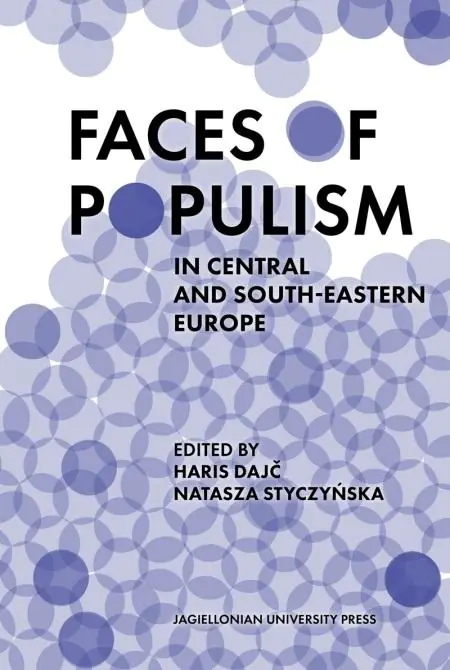
Faces of Populism in Central and South-Eastern...
Masz tę lub inne książki?
Sprzedaj je u nas

Populism is a term often encountered in today's political discussions and media narratives. This complex phenomenon is not only challenging to define and measure but has also become a significant political issue in Europe and globally. Central to all populist movements is the tension between the 'pure' people and the 'corrupt' elite, a theme that this book explores in the context of post-communist countries in Central and South-Eastern Europe. Through a collection of essays, the volume examines the traits that link populist actors in this region, offering insights from various fields such as political science, economics, history, and cultural studies.This publication emerges from a collaborative project called Populist Rebellion against Modernity in 21st-century Eastern Europe: Neo-Traditionalism and Neo-Feudalism (POPREBEL). Funded by the European Commission's Horizon 2020 program, the project seeks to understand the rise of populism in Central and Eastern Europe. The initiative is spearheaded by a consortium of six European academic institutions: University College London, Jagiellonian University, Charles University, University of Tartu, Corvinus University of Budapest, and University of Belgrade, along with the consultancy Edgeryders. - Haris Dajc, Natasza Styczyńska
Wybierz stan zużycia:
WIĘCEJ O SKALI
Populism is a term often encountered in today's political discussions and media narratives. This complex phenomenon is not only challenging to define and measure but has also become a significant political issue in Europe and globally. Central to all populist movements is the tension between the 'pure' people and the 'corrupt' elite, a theme that this book explores in the context of post-communist countries in Central and South-Eastern Europe. Through a collection of essays, the volume examines the traits that link populist actors in this region, offering insights from various fields such as political science, economics, history, and cultural studies.This publication emerges from a collaborative project called Populist Rebellion against Modernity in 21st-century Eastern Europe: Neo-Traditionalism and Neo-Feudalism (POPREBEL). Funded by the European Commission's Horizon 2020 program, the project seeks to understand the rise of populism in Central and Eastern Europe. The initiative is spearheaded by a consortium of six European academic institutions: University College London, Jagiellonian University, Charles University, University of Tartu, Corvinus University of Budapest, and University of Belgrade, along with the consultancy Edgeryders. - Haris Dajc, Natasza Styczyńska
Szczegóły
Dane producenta:
Inne książki tych autorów

Podobne produkty
Może Ci się spodobać
Inne książki z tej samej kategorii

Napisz opinię o książce i wygraj nagrodę!
W każdym miesiącu wybieramy najlepsze opinie i nagradzamy recenzentów.
Dowiedz się więcejWartość nagród w tym miesiącu
880 zł
Dodaj swoją opinię
Zaloguj się na swoje konto, aby mieć możliwość dodawania opinii.
Czy chcesz zostawić tylko ocenę?
Dodanie samej oceny o książce nie jest brane pod uwagę podczas losowania nagród. By mieć szansę na otrzymanie nagrody musisz napisać opinię o książce.
Już oceniłeś/zrecenzowałeś te książkę w przeszłości.
Możliwe jest dodanie tylko jednej recenzji do każdej z książek.
Sposoby dostawy
Odbiór w punkcie (7)
InPost Paczkomat 24/7

14,99 zł
DPD Pickup Automaty i Punkty Odbioru

11,99 zł





Dostawa na adres (7)
GLS U Ciebie - Kurier

14,99 zł
Kurier DPD

14,99 zł





Sposoby płatności
Płatność z góry
Przedpłata

Zwykły przelew
