Stan książek
Nasze książki są dokładnie sprawdzone i jasno określamy stan każdej z nich.
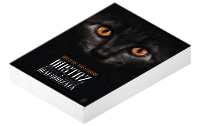

Nowa
Książka nowa.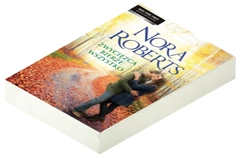
Używany - jak nowa
Niezauważalne lub prawie niezauważalne ślady używania. Książkę ciężko odróżnić od nowej pozycji.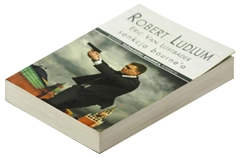
Używany - dobry
Normalne ślady używania wynikające z kartkowania podczas czytania, brak większych uszkodzeń lub zagięć.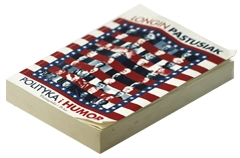
Używany - widoczne ślady użytkowania
zagięte rogi, przyniszczona okładka, książka posiada wszystkie strony.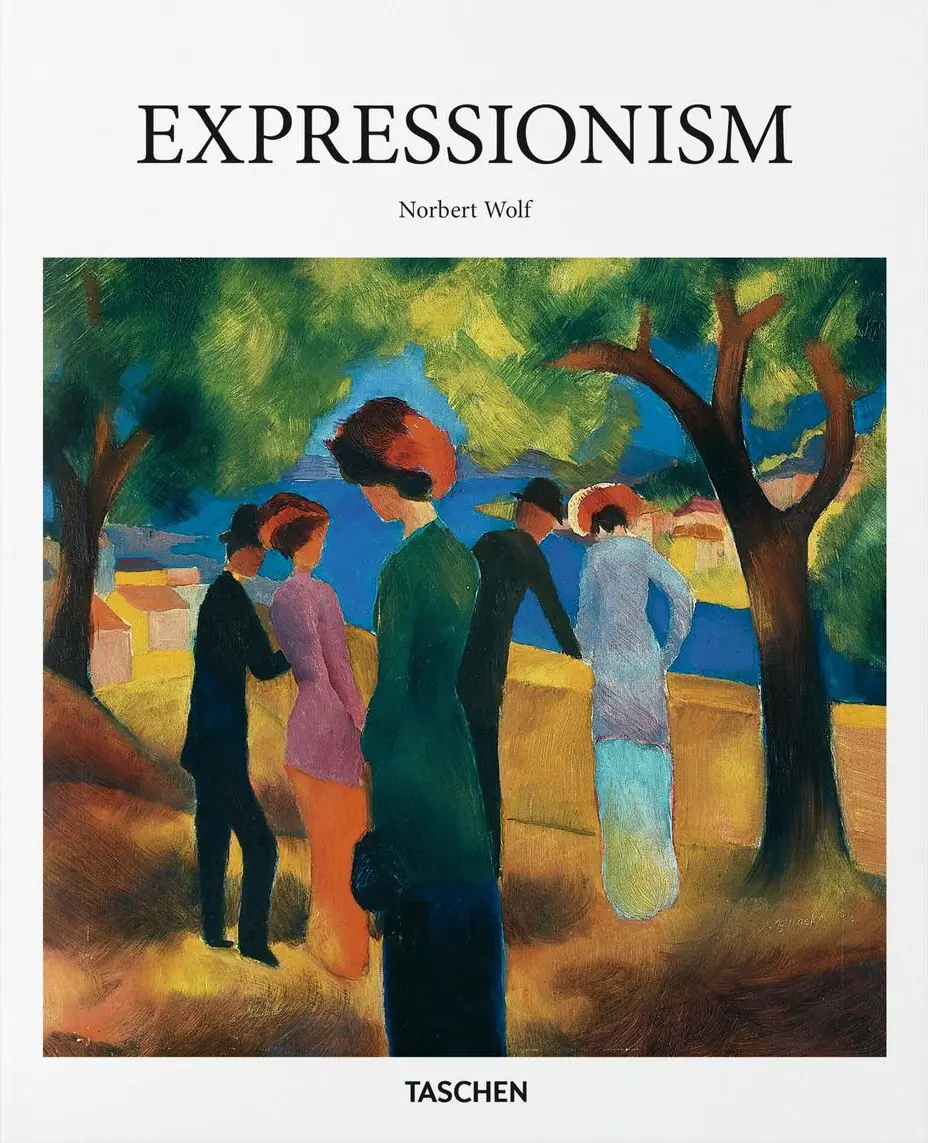
Expressionism
Masz tę lub inne książki?
Sprzedaj je u nas

Sharp angles, unusual forms, vivid colors, and warped perspectives are quintessential features of Expressionism, a twentieth-century art movement that placed emotion above objective reality. This movement, although particularly vibrant in Germany and Austria, made waves internationally and is now considered one of the most transformative influences in art history. Led by prominent groups like Die Brucke (The Bridge) and Der Blaue Reiter (The Blue Rider), and distinguished figures including Wassily Kandinsky, Egon Schiele, and Emil Nolde, Expressionists rejected Impressionism. They critiqued it as reducing humanity to mere replicas of the external world, and instead endeavored to portray a raw, visceral experience of life, as internally felt rather than superficially observed. Their artworks are charged with emotional intensity, often manifested through bold, non-realistic color schemes, loose brushstrokes, and rich textures. This introductory book delves into the group's stylistic preferences, influences, and key figures, offering an exploration of the Expressionist array of emotions, ideas, and their relentless pursuit of genuine authenticity.
Wybierz stan zużycia:
WIĘCEJ O SKALI
Sharp angles, unusual forms, vivid colors, and warped perspectives are quintessential features of Expressionism, a twentieth-century art movement that placed emotion above objective reality. This movement, although particularly vibrant in Germany and Austria, made waves internationally and is now considered one of the most transformative influences in art history. Led by prominent groups like Die Brucke (The Bridge) and Der Blaue Reiter (The Blue Rider), and distinguished figures including Wassily Kandinsky, Egon Schiele, and Emil Nolde, Expressionists rejected Impressionism. They critiqued it as reducing humanity to mere replicas of the external world, and instead endeavored to portray a raw, visceral experience of life, as internally felt rather than superficially observed. Their artworks are charged with emotional intensity, often manifested through bold, non-realistic color schemes, loose brushstrokes, and rich textures. This introductory book delves into the group's stylistic preferences, influences, and key figures, offering an exploration of the Expressionist array of emotions, ideas, and their relentless pursuit of genuine authenticity.
Szczegóły
Dane producenta:
Inne książki tych autorów

Podobne produkty
Może Ci się spodobać
Inne książki z tej samej kategorii

Napisz opinię o książce i wygraj nagrodę!
W każdym miesiącu wybieramy najlepsze opinie i nagradzamy recenzentów.
Dowiedz się więcejWartość nagród w tym miesiącu
880 zł
Dodaj swoją opinię
Zaloguj się na swoje konto, aby mieć możliwość dodawania opinii.
Czy chcesz zostawić tylko ocenę?
Dodanie samej oceny o książce nie jest brane pod uwagę podczas losowania nagród. By mieć szansę na otrzymanie nagrody musisz napisać opinię o książce.
Już oceniłeś/zrecenzowałeś te książkę w przeszłości.
Możliwe jest dodanie tylko jednej recenzji do każdej z książek.
Sposoby dostawy
Odbiór w punkcie (6)
InPost Paczkomat 24/7

13,99 zł
ORLEN Paczka

12,99 zł




Dostawa na adres (7)
GLS U Ciebie - Kurier

14,99 zł
Kurier DPD

14,99 zł





Sposoby płatności
Płatność z góry
Przedpłata

Zwykły przelew
