Stan książek
Nasze książki są dokładnie sprawdzone i jasno określamy stan każdej z nich.


Nowa
Książka nowa.
Używany - jak nowa
Niezauważalne lub prawie niezauważalne ślady używania. Książkę ciężko odróżnić od nowej pozycji.
Używany - dobry
Normalne ślady używania wynikające z kartkowania podczas czytania, brak większych uszkodzeń lub zagięć.
Używany - widoczne ślady użytkowania
zagięte rogi, przyniszczona okładka, książka posiada wszystkie strony.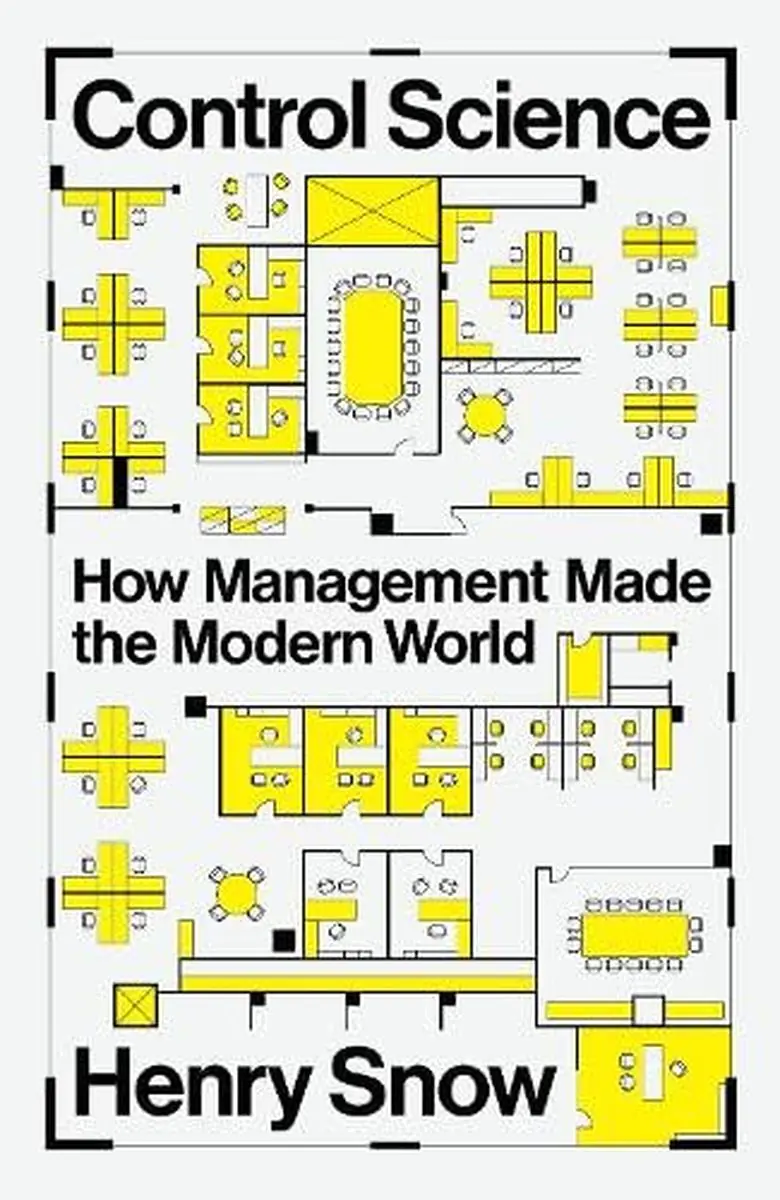
Control Science. How Management Made the Modern World
Masz tę lub inne książki?
Sprzedaj je u nas

Throughout history, from the sprawling plantations of the Caribbean in the 17th century to the bustling Amazon warehouses of today, the powerful have continually crafted innovative methods to manage their workforce, along with new rationalizations for such control. Techniques initially honed on the factory floor have gradually permeated into broader aspects of our lives, influencing personal choices, political freedoms, national policies, and even the global economy. Thinkers like William Petty and John Locke in the 17th century posited that individuals were inherently self-serving entities needing external control for their own benefit. By the following century, figures such as Jeremy and Samuel Bentham sought to encapsulate this idea through their notorious Panopticon prison concept. As 19th-century Japanese leaders absorbed European manufacturing techniques, they evolved new political control theories to legitimize these changes. Post-World War II, General Electric strategically crafted internal propaganda aimed at weakening union influence, enlisting actor and future president Ronald Reagan to disseminate these ideas nationwide. Today, billionaires aspire to apply the level of control seen in Amazon's algorithm-driven warehouses to all facets of life. In "Control Science," Henry Snow presents an enthralling and insightful historical narrative that interweaves intellectual, economic, and labor history. He exposes how supposed common sense regarding labor, economics, and human nature was deliberately constructed and underscores the urgent need to reassess these societal norms.
Wybierz stan zużycia:
WIĘCEJ O SKALI
Throughout history, from the sprawling plantations of the Caribbean in the 17th century to the bustling Amazon warehouses of today, the powerful have continually crafted innovative methods to manage their workforce, along with new rationalizations for such control. Techniques initially honed on the factory floor have gradually permeated into broader aspects of our lives, influencing personal choices, political freedoms, national policies, and even the global economy. Thinkers like William Petty and John Locke in the 17th century posited that individuals were inherently self-serving entities needing external control for their own benefit. By the following century, figures such as Jeremy and Samuel Bentham sought to encapsulate this idea through their notorious Panopticon prison concept. As 19th-century Japanese leaders absorbed European manufacturing techniques, they evolved new political control theories to legitimize these changes. Post-World War II, General Electric strategically crafted internal propaganda aimed at weakening union influence, enlisting actor and future president Ronald Reagan to disseminate these ideas nationwide. Today, billionaires aspire to apply the level of control seen in Amazon's algorithm-driven warehouses to all facets of life. In "Control Science," Henry Snow presents an enthralling and insightful historical narrative that interweaves intellectual, economic, and labor history. He exposes how supposed common sense regarding labor, economics, and human nature was deliberately constructed and underscores the urgent need to reassess these societal norms.
Szczegóły
Inne książki: Henry Snow

Podobne produkty
Może Ci się spodobać
Inne książki z tej samej kategorii

Napisz opinię o książce i wygraj nagrodę!
W każdym miesiącu wybieramy najlepsze opinie i nagradzamy recenzentów.
Dowiedz się więcejWartość nagród w tym miesiącu
880 zł
Dodaj swoją opinię
Zaloguj się na swoje konto, aby mieć możliwość dodawania opinii.
Czy chcesz zostawić tylko ocenę?
Dodanie samej oceny o książce nie jest brane pod uwagę podczas losowania nagród. By mieć szansę na otrzymanie nagrody musisz napisać opinię o książce.
Już oceniłeś/zrecenzowałeś te książkę w przeszłości.
Możliwe jest dodanie tylko jednej recenzji do każdej z książek.
Sposoby dostawy
Odbiór w punkcie (7)
InPost Paczkomat 24/7

14,99 zł
DPD Pickup Automaty i Punkty Odbioru

10,49 zł





Dostawa na adres (7)
GLS U Ciebie - Kurier

14,99 zł
Kurier DPD

14,99 zł





Sposoby płatności
Płatność z góry
Przedpłata

Zwykły przelew
