Stan książek
Nasze książki są dokładnie sprawdzone i jasno określamy stan każdej z nich.
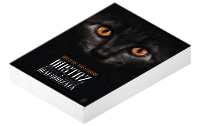

Nowa
Książka nowa.
Używany - jak nowa
Niezauważalne lub prawie niezauważalne ślady używania. Książkę ciężko odróżnić od nowej pozycji.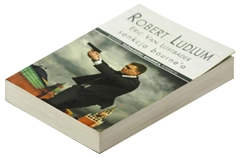
Używany - dobry
Normalne ślady używania wynikające z kartkowania podczas czytania, brak większych uszkodzeń lub zagięć.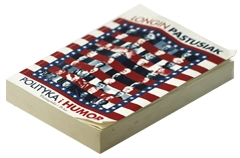
Używany - widoczne ślady użytkowania
zagięte rogi, przyniszczona okładka, książka posiada wszystkie strony.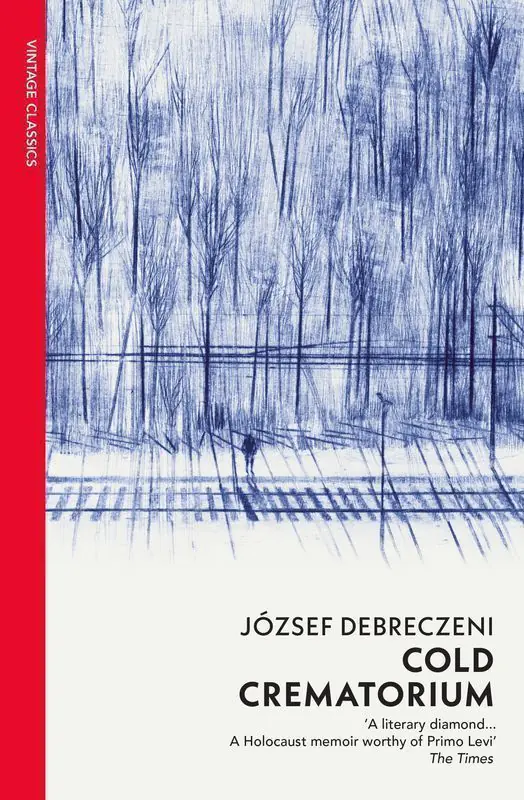
Cold crematorium wer. angielska
Masz tę lub inne książki?
Sprzedaj je u nas

This remarkable work, an eyewitness testimony of the Holocaust, has finally been translated into English, seven decades after its original publication. Described as 'a literary diamond' and comparable to the works of Primo Levi by The Times, it has also been hailed as 'a masterpiece' by the New Statesman. The New York Times has selected it as one of the top 10 books of 2024. For years, this significant piece of Holocaust literature went unrecognized. Its author, József Debreczeni, was a journalist and poet who found himself in Auschwitz in 1944. Surviving the initial selection process, he spent a harrowing twelve months enduring the brutal conditions of various camps. His journey ultimately led him to the "Cold Crematorium," the grim nickname for the so-called hospital at the Dörnhau forced labor camp. Here, those too feeble to work were left to perish. Defying all odds, Debreczeni survived, and his story is captured in hauntingly lyrical prose that urges readers to confront the unfathomable. Originally published in Hungarian in 1950, the book then slipped into obscurity for seventy years. Now, this crucial firsthand account finds its rightful place among the monumental works of Holocaust literature. The edition includes an introduction by Jonathan Freedland.
Wybierz stan zużycia:
WIĘCEJ O SKALI
This remarkable work, an eyewitness testimony of the Holocaust, has finally been translated into English, seven decades after its original publication. Described as 'a literary diamond' and comparable to the works of Primo Levi by The Times, it has also been hailed as 'a masterpiece' by the New Statesman. The New York Times has selected it as one of the top 10 books of 2024. For years, this significant piece of Holocaust literature went unrecognized. Its author, József Debreczeni, was a journalist and poet who found himself in Auschwitz in 1944. Surviving the initial selection process, he spent a harrowing twelve months enduring the brutal conditions of various camps. His journey ultimately led him to the "Cold Crematorium," the grim nickname for the so-called hospital at the Dörnhau forced labor camp. Here, those too feeble to work were left to perish. Defying all odds, Debreczeni survived, and his story is captured in hauntingly lyrical prose that urges readers to confront the unfathomable. Originally published in Hungarian in 1950, the book then slipped into obscurity for seventy years. Now, this crucial firsthand account finds its rightful place among the monumental works of Holocaust literature. The edition includes an introduction by Jonathan Freedland.
Szczegóły
Inne książki: József Debreczeni

Podobne produkty
Może Ci się spodobać
Inne książki z tej samej kategorii

Napisz opinię o książce i wygraj nagrodę!
W każdym miesiącu wybieramy najlepsze opinie i nagradzamy recenzentów.
Dowiedz się więcejWartość nagród w tym miesiącu
880 zł
Dodaj swoją opinię
Zaloguj się na swoje konto, aby mieć możliwość dodawania opinii.
Czy chcesz zostawić tylko ocenę?
Dodanie samej oceny o książce nie jest brane pod uwagę podczas losowania nagród. By mieć szansę na otrzymanie nagrody musisz napisać opinię o książce.
Już oceniłeś/zrecenzowałeś te książkę w przeszłości.
Możliwe jest dodanie tylko jednej recenzji do każdej z książek.
Sposoby dostawy
Odbiór w punkcie (7)
InPost Paczkomat 24/7

14,99 zł
DPD Pickup Automaty i Punkty Odbioru

10,49 zł





Dostawa na adres (7)
GLS U Ciebie - Kurier

14,99 zł
Kurier DPD

14,99 zł





Sposoby płatności
Płatność z góry
Przedpłata

Zwykły przelew
