Stan książek
Nasze książki są dokładnie sprawdzone i jasno określamy stan każdej z nich.
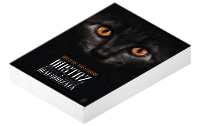

Nowa
Książka nowa.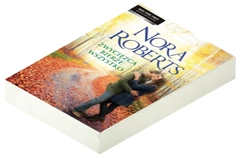
Używany - jak nowa
Niezauważalne lub prawie niezauważalne ślady używania. Książkę ciężko odróżnić od nowej pozycji.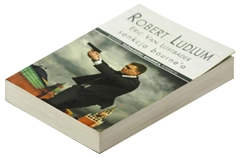
Używany - dobry
Normalne ślady używania wynikające z kartkowania podczas czytania, brak większych uszkodzeń lub zagięć.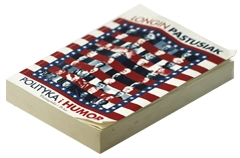
Używany - widoczne ślady użytkowania
zagięte rogi, przyniszczona okładka, książka posiada wszystkie strony.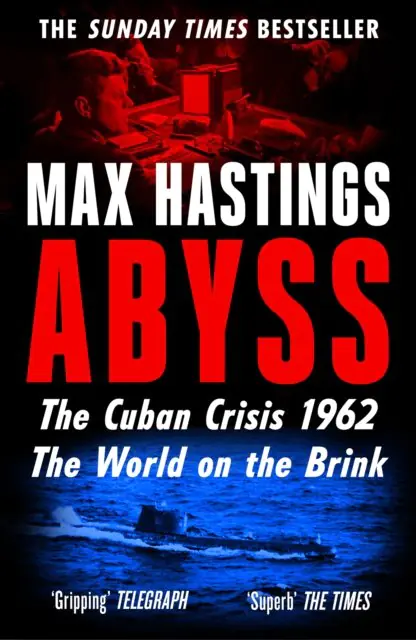
Abyss: World on the Brink, the Cuban Missile Crisis 1962
Masz tę lub inne książki?
Sprzedaj je u nas

The Cuban Missile Crisis of 1962 stands as one of the most dangerous moments in history, marking a tense standoff that brought the United States and the Soviet Union to the brink of nuclear war. During this critical period, the world teetered on the edge of potential destruction. In his compelling new narrative, Max Hastings provides a multifaceted account of the crisis through the perspectives of prominent leaders, Russian military personnel, Cuban civilians, American aviators, and British advocates for disarmament. With his characteristic reliance on interviews, archival materials, personal diaries, and recordings from the White House, Hastings vividly illustrates the Cold War realities faced by Cuba under Fidel Castro, the Soviet Union led by Nikita Khrushchev, and the United States under President Kennedy. He continues by recounting the intense thirteen days when the specter of a nuclear catastrophe loomed large. Initially approaching this subject as a historical inquiry into a bygone era, Hastings, alongside millions globally, is taken aback by the contemporary relevance brought about by the conflict in Ukraine. Observers fear we may be entering a new era of Cold War dynamics between heavily armed world powers. Hastings emphasizes that learning from how the world averted disaster sixty years ago is essential for addressing today's enduring threats. He contends that by recognizing the potential for catastrophe, leaders can strategize effectively to ensure the continuity of life on Earth.
Wybierz stan zużycia:
WIĘCEJ O SKALI
The Cuban Missile Crisis of 1962 stands as one of the most dangerous moments in history, marking a tense standoff that brought the United States and the Soviet Union to the brink of nuclear war. During this critical period, the world teetered on the edge of potential destruction. In his compelling new narrative, Max Hastings provides a multifaceted account of the crisis through the perspectives of prominent leaders, Russian military personnel, Cuban civilians, American aviators, and British advocates for disarmament. With his characteristic reliance on interviews, archival materials, personal diaries, and recordings from the White House, Hastings vividly illustrates the Cold War realities faced by Cuba under Fidel Castro, the Soviet Union led by Nikita Khrushchev, and the United States under President Kennedy. He continues by recounting the intense thirteen days when the specter of a nuclear catastrophe loomed large. Initially approaching this subject as a historical inquiry into a bygone era, Hastings, alongside millions globally, is taken aback by the contemporary relevance brought about by the conflict in Ukraine. Observers fear we may be entering a new era of Cold War dynamics between heavily armed world powers. Hastings emphasizes that learning from how the world averted disaster sixty years ago is essential for addressing today's enduring threats. He contends that by recognizing the potential for catastrophe, leaders can strategize effectively to ensure the continuity of life on Earth.
Szczegóły
Dane producenta:
Inne książki: Max Hastings

Podobne produkty
Może Ci się spodobać
Inne książki z tej samej kategorii

Napisz opinię o książce i wygraj nagrodę!
W każdym miesiącu wybieramy najlepsze opinie i nagradzamy recenzentów.
Dowiedz się więcejWartość nagród w tym miesiącu
880 zł
Dodaj swoją opinię
Zaloguj się na swoje konto, aby mieć możliwość dodawania opinii.
Czy chcesz zostawić tylko ocenę?
Dodanie samej oceny o książce nie jest brane pod uwagę podczas losowania nagród. By mieć szansę na otrzymanie nagrody musisz napisać opinię o książce.
Już oceniłeś/zrecenzowałeś te książkę w przeszłości.
Możliwe jest dodanie tylko jednej recenzji do każdej z książek.
Sposoby dostawy
Płatne z góry

InPost Paczkomaty 24/7
13.99 zł
Darmowa od 190 zł

ORLEN Paczka
12.99 zł
Darmowa od 190 zł

Automaty DHL BOX 24/7 i punkty POP
12.99 zł
Darmowa od 190 zł

DPD Pickup Automaty i Punkty Odbioru
8.99 zł
Darmowa od 190 zł

Automaty Orlen Paczka, sklepy Żabka i inne
12.99 zł
Darmowa od 190 zł

GLS U Ciebie - Kurier
14.99 zł
Darmowa od 190 zł

Kurier DPD
14.99 zł
Darmowa od 190 zł

Kurier InPost
14.99 zł
Darmowa od 190 zł

Pocztex Kurier
13.99 zł
Darmowa od 190 zł

Kurier DHL
14.99 zł
Darmowa od 190 zł

Kurier GLS - kraje UE
69.00 zł

Punkt odbioru (Dębica)
2.99 zł
Darmowa od 190 zł
Płatne przy odbiorze

Kurier GLS pobranie
23.99 zł
Sposoby płatności
Płatność z góry
Przedpłata

Zwykły przelew
