Stan książek
Nasze książki są dokładnie sprawdzone i jasno określamy stan każdej z nich.


Nowa
Książka nowa.
Używany - jak nowa
Niezauważalne lub prawie niezauważalne ślady używania. Książkę ciężko odróżnić od nowej pozycji.
Używany - dobry
Normalne ślady używania wynikające z kartkowania podczas czytania, brak większych uszkodzeń lub zagięć.
Używany - widoczne ślady użytkowania
zagięte rogi, przyniszczona okładka, książka posiada wszystkie strony.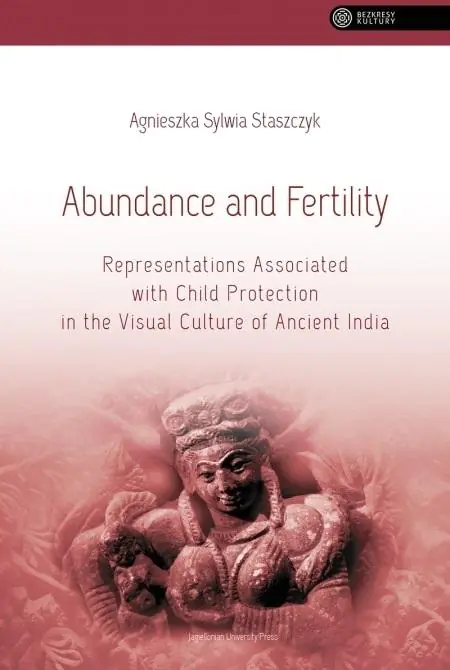
Abundance and Fertility
DODAJ DO LISTY ŻYCZEŃ
Masz tę lub inne książki?
Sprzedaj je u nas

This work delves into the socio-cultural impacts of ancient Indian visual artifacts, shedding light on the rich iconographic legacy with its myriad styles and scales. The focus is on artwork from the Mathura region during the Kushan period, specifically between 50/60 and 300 CE, a time marked by a multicultural tapestry enriched with diverse traditional influences. The author argues that these artifacts are intricately linked to themes of abundance and fertility, exploring their origins. Through these ancient visual fragments, the author uncovers profound insights into the worldviews of the cultures that created them. The study critically examines depictions of spiritual deities such as Ekanamsha, Hariti, Matrikas, Naigamesha, Shashthi, and Skanda, all associated with child protection. These figures emerged from beliefs in supernatural forces offering psychological solace to women across various socio-economic backgrounds during the significant stresses of pregnancy, childbirth, and post-partum periods. Carved in stone, these artifacts appear both as standalone figures and as part of larger multi-character scenes. Depending on their size, larger objects were likely stationary, while smaller ones were portable. This is an excerpt from a review by Dr. C. Rajendran.
Wybierz stan zużycia:
WIĘCEJ O SKALI
58.56 zł
nowa
Pakujemy 28.09

- nowa książka
jak nowa
dobry
widoczne ślady używania
Dostępna ilość 6
Uwaga została 1 szt.
Posiadamy 6 szt.
This work delves into the socio-cultural impacts of ancient Indian visual artifacts, shedding light on the rich iconographic legacy with its myriad styles and scales. The focus is on artwork from the Mathura region during the Kushan period, specifically between 50/60 and 300 CE, a time marked by a multicultural tapestry enriched with diverse traditional influences. The author argues that these artifacts are intricately linked to themes of abundance and fertility, exploring their origins. Through these ancient visual fragments, the author uncovers profound insights into the worldviews of the cultures that created them. The study critically examines depictions of spiritual deities such as Ekanamsha, Hariti, Matrikas, Naigamesha, Shashthi, and Skanda, all associated with child protection. These figures emerged from beliefs in supernatural forces offering psychological solace to women across various socio-economic backgrounds during the significant stresses of pregnancy, childbirth, and post-partum periods. Carved in stone, these artifacts appear both as standalone figures and as part of larger multi-character scenes. Depending on their size, larger objects were likely stationary, while smaller ones were portable. This is an excerpt from a review by Dr. C. Rajendran.
Szczegóły
Dane producenta:
Inne książki tych autorów

Podobne produkty
Może Ci się spodobać
Inne książki z tej samej kategorii

Napisz opinię o książce i wygraj nagrodę!
W każdym miesiącu wybieramy najlepsze opinie i nagradzamy recenzentów.
Dowiedz się więcejWartość nagród w tym miesiącu
880 zł
Dodaj swoją opinię
Zaloguj się na swoje konto, aby mieć możliwość dodawania opinii.
Czy chcesz zostawić tylko ocenę?
Dodanie samej oceny o książce nie jest brane pod uwagę podczas losowania nagród. By mieć szansę na otrzymanie nagrody musisz napisać opinię o książce.
Już oceniłeś/zrecenzowałeś te książkę w przeszłości.
Możliwe jest dodanie tylko jednej recenzji do każdej z książek.
Sposoby dostawy
Odbiór w punkcie (7)
InPost Paczkomat 24/7

14,99 zł
DPD Pickup Automaty i Punkty Odbioru

11,99 zł





Dostawa na adres (7)
GLS U Ciebie - Kurier

14,99 zł
Kurier DPD

14,99 zł





Sposoby płatności
Płatność z góry
Przedpłata

Zwykły przelew
