Stan książek
Nasze książki są dokładnie sprawdzone i jasno określamy stan każdej z nich.
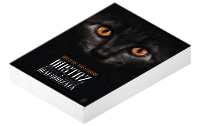

Nowa
Książka nowa.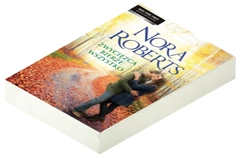
Używany - jak nowa
Niezauważalne lub prawie niezauważalne ślady używania. Książkę ciężko odróżnić od nowej pozycji.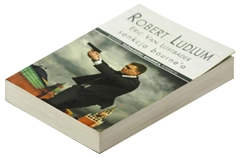
Używany - dobry
Normalne ślady używania wynikające z kartkowania podczas czytania, brak większych uszkodzeń lub zagięć.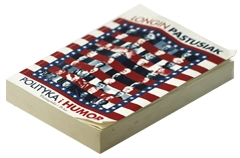
Używany - widoczne ślady użytkowania
zagięte rogi, przyniszczona okładka, książka posiada wszystkie strony.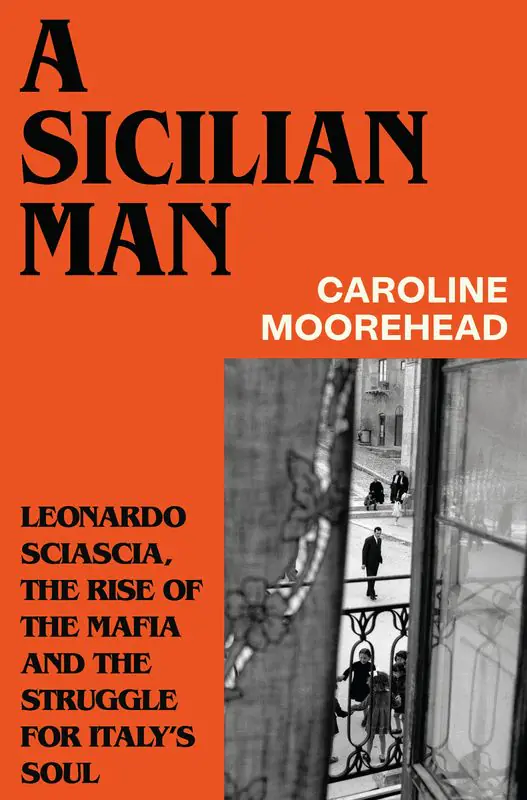
A Sicilian Man
Masz tę lub inne książki?
Sprzedaj je u nas

In the twentieth century, Sicily was a place where corruption, sleaze, and violence intertwined with daily life as the Mafia gained control. One man dared to stand against this tide. In 1986, Sicily hosted Italy's largest Mafia trial, known as the maxi-processo, which brought 471 men and 4 women to face charges of kidnapping, extortion, drug trafficking, and numerous murders. Among the onlookers was Leonardo Sciascia, a leading European writer born in 1921, who had long been an emblem of moral integrity in Italy. In 1961, he published "The Day of the Owl," the first Mafia-themed novel, highlighting the pervasive corruption in both public and private spheres. Growing up during the Mafia's rise, Sciascia witnessed firsthand the vacuum left by Rome's governance after World War I, allowing local gangsters to thrive amid widespread poverty. He foresaw the extend of corruption and violence spreading to northern Italy, which indeed happened by the 1980s, with the Mafia deeply embedded in politics and expanding into an international enterprise. "A Sicilian Man," by award-winning historian Caroline Moorehead, explores Sciascia's life against the backdrop of the Mafia's ascension, capturing the battle for the very essence of Italy.
Wybierz stan zużycia:
WIĘCEJ O SKALI
In the twentieth century, Sicily was a place where corruption, sleaze, and violence intertwined with daily life as the Mafia gained control. One man dared to stand against this tide. In 1986, Sicily hosted Italy's largest Mafia trial, known as the maxi-processo, which brought 471 men and 4 women to face charges of kidnapping, extortion, drug trafficking, and numerous murders. Among the onlookers was Leonardo Sciascia, a leading European writer born in 1921, who had long been an emblem of moral integrity in Italy. In 1961, he published "The Day of the Owl," the first Mafia-themed novel, highlighting the pervasive corruption in both public and private spheres. Growing up during the Mafia's rise, Sciascia witnessed firsthand the vacuum left by Rome's governance after World War I, allowing local gangsters to thrive amid widespread poverty. He foresaw the extend of corruption and violence spreading to northern Italy, which indeed happened by the 1980s, with the Mafia deeply embedded in politics and expanding into an international enterprise. "A Sicilian Man," by award-winning historian Caroline Moorehead, explores Sciascia's life against the backdrop of the Mafia's ascension, capturing the battle for the very essence of Italy.
Szczegóły
Inne książki: Caroline Moorehead

Podobne produkty
Może Ci się spodobać
Inne książki z tej samej kategorii

Napisz opinię o książce i wygraj nagrodę!
W każdym miesiącu wybieramy najlepsze opinie i nagradzamy recenzentów.
Dowiedz się więcejWartość nagród w tym miesiącu
880 zł
Dodaj swoją opinię
Zaloguj się na swoje konto, aby mieć możliwość dodawania opinii.
Czy chcesz zostawić tylko ocenę?
Dodanie samej oceny o książce nie jest brane pod uwagę podczas losowania nagród. By mieć szansę na otrzymanie nagrody musisz napisać opinię o książce.
Już oceniłeś/zrecenzowałeś te książkę w przeszłości.
Możliwe jest dodanie tylko jednej recenzji do każdej z książek.
Sposoby dostawy
Odbiór w punkcie (6)
InPost Paczkomat 24/7

14,99 zł
DPD Pickup Automaty i Punkty Odbioru

10,49 zł




Dostawa na adres (7)
GLS U Ciebie - Kurier

14,99 zł
Kurier DPD

14,99 zł





Sposoby płatności
Płatność z góry
Przedpłata

Zwykły przelew
