Stan książek
Nasze książki są dokładnie sprawdzone i jasno określamy stan każdej z nich.


Nowa
Książka nowa.
Używany - jak nowa
Niezauważalne lub prawie niezauważalne ślady używania. Książkę ciężko odróżnić od nowej pozycji.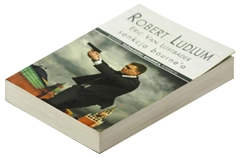
Używany - dobry
Normalne ślady używania wynikające z kartkowania podczas czytania, brak większych uszkodzeń lub zagięć.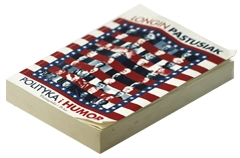
Używany - widoczne ślady użytkowania
zagięte rogi, przyniszczona okładka, książka posiada wszystkie strony.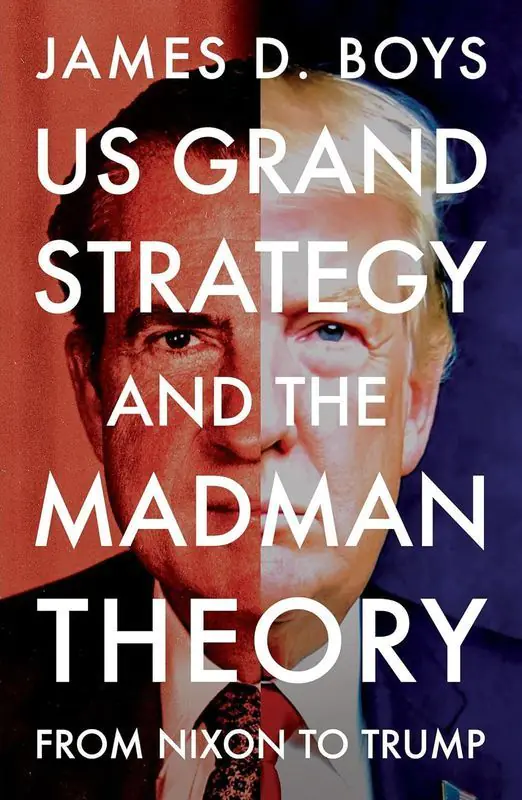
US grand strategy and the Madman Theory. From Nixon to Trump
Masz tę lub inne książki?
Sprzedaj je u nas

What are the implications when a president persuades global leaders to believe he might undertake the unthinkable? In "US Grand Strategy and the Madman Theory," James D. Boys examines how feigned irrationality can frighten opponents into yielding, though it carries immense risk. By delving into Nixon's covert Cold War strategies and Trump's erratic, tweet-driven diplomacy, Boys discusses how these presidents utilized unpredictability as a tool to keep allies uncertain and adversaries disoriented. The boundary between strategic manipulation and insanity isn't always clear. In a world where perceptions influence power dynamics, unpredictability serves as a potent weapon, with fear being its most piercing point. This book exposes how strategic chaos can alter diplomatic relations, unsettle established norms, and lead nations to debate whether a president's actions reflect brilliance or impending disaster.
Wybierz stan zużycia:
WIĘCEJ O SKALI
What are the implications when a president persuades global leaders to believe he might undertake the unthinkable? In "US Grand Strategy and the Madman Theory," James D. Boys examines how feigned irrationality can frighten opponents into yielding, though it carries immense risk. By delving into Nixon's covert Cold War strategies and Trump's erratic, tweet-driven diplomacy, Boys discusses how these presidents utilized unpredictability as a tool to keep allies uncertain and adversaries disoriented. The boundary between strategic manipulation and insanity isn't always clear. In a world where perceptions influence power dynamics, unpredictability serves as a potent weapon, with fear being its most piercing point. This book exposes how strategic chaos can alter diplomatic relations, unsettle established norms, and lead nations to debate whether a president's actions reflect brilliance or impending disaster.
Szczegóły
Inne książki: James D. Boys

Podobne produkty
Może Ci się spodobać
Inne książki z tej samej kategorii

Napisz opinię o książce i wygraj nagrodę!
W każdym miesiącu wybieramy najlepsze opinie i nagradzamy recenzentów.
Dowiedz się więcejWartość nagród w tym miesiącu
880 zł
Dodaj swoją opinię
Zaloguj się na swoje konto, aby mieć możliwość dodawania opinii.
Czy chcesz zostawić tylko ocenę?
Dodanie samej oceny o książce nie jest brane pod uwagę podczas losowania nagród. By mieć szansę na otrzymanie nagrody musisz napisać opinię o książce.
Już oceniłeś/zrecenzowałeś te książkę w przeszłości.
Możliwe jest dodanie tylko jednej recenzji do każdej z książek.
Sposoby dostawy
Odbiór w punkcie (6)
InPost Paczkomat 24/7

13,99 zł
ORLEN Paczka

12,99 zł




Dostawa na adres (7)
GLS U Ciebie - Kurier

14,99 zł
Kurier DPD

14,99 zł





Sposoby płatności
Płatność z góry
Przedpłata

Zwykły przelew
