Stan książek
Nasze książki są dokładnie sprawdzone i jasno określamy stan każdej z nich.
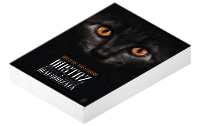

Nowa
Książka nowa.
Używany - jak nowa
Niezauważalne lub prawie niezauważalne ślady używania. Książkę ciężko odróżnić od nowej pozycji.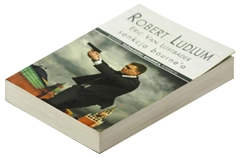
Używany - dobry
Normalne ślady używania wynikające z kartkowania podczas czytania, brak większych uszkodzeń lub zagięć.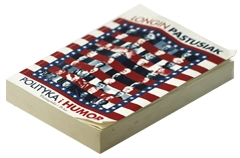
Używany - widoczne ślady użytkowania
zagięte rogi, przyniszczona okładka, książka posiada wszystkie strony.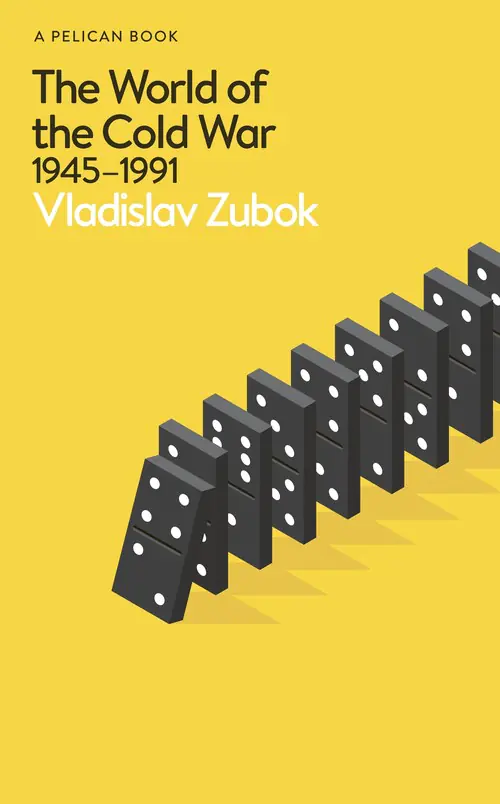
The World of the Cold War
Masz tę lub inne książki?
Sprzedaj je u nas

An insightful exploration into the Cold War, authored by renowned Soviet historian Vladislav Zubok, delves into the origins and longevity of this global conflict. The Cold War, emerging swiftly after World War II, spread across five continents over six decades, leaving a profound impact on international relations. Zubok meticulously examines its roots in post-war Europe and traces the evolving tensions that culminated in the fall of the Berlin Wall. With a fresh approach, he challenges the conventional Western view that American economic strength and democratic ideals secured victory, suggesting instead that the narrative is more layered. He emphasizes the significance of non-Western influences, framing the conflict within the broader context of global decolonization, Soviet vulnerabilities, and historical contingencies. This analysis questions what unfolds when treaties falter, diplomacy collapses, and peace is no longer a presumed condition. Supported by extensive research and his unique experience in both the USSR and the Western world, Zubok's "The World of the Cold War" offers a compelling account of a world poised on the edge of upheaval.
Wybierz stan zużycia:
WIĘCEJ O SKALI
An insightful exploration into the Cold War, authored by renowned Soviet historian Vladislav Zubok, delves into the origins and longevity of this global conflict. The Cold War, emerging swiftly after World War II, spread across five continents over six decades, leaving a profound impact on international relations. Zubok meticulously examines its roots in post-war Europe and traces the evolving tensions that culminated in the fall of the Berlin Wall. With a fresh approach, he challenges the conventional Western view that American economic strength and democratic ideals secured victory, suggesting instead that the narrative is more layered. He emphasizes the significance of non-Western influences, framing the conflict within the broader context of global decolonization, Soviet vulnerabilities, and historical contingencies. This analysis questions what unfolds when treaties falter, diplomacy collapses, and peace is no longer a presumed condition. Supported by extensive research and his unique experience in both the USSR and the Western world, Zubok's "The World of the Cold War" offers a compelling account of a world poised on the edge of upheaval.
Szczegóły
Inne książki: Vladislav Zubok

Podobne produkty
Może Ci się spodobać
Inne książki z tej samej kategorii

Napisz opinię o książce i wygraj nagrodę!
W każdym miesiącu wybieramy najlepsze opinie i nagradzamy recenzentów.
Dowiedz się więcejWartość nagród w tym miesiącu
880 zł
Dodaj swoją opinię
Zaloguj się na swoje konto, aby mieć możliwość dodawania opinii.
Czy chcesz zostawić tylko ocenę?
Dodanie samej oceny o książce nie jest brane pod uwagę podczas losowania nagród. By mieć szansę na otrzymanie nagrody musisz napisać opinię o książce.
Już oceniłeś/zrecenzowałeś te książkę w przeszłości.
Możliwe jest dodanie tylko jednej recenzji do każdej z książek.
Sposoby dostawy
Odbiór w punkcie (7)
InPost Paczkomat 24/7

14,99 zł
DPD Pickup Automaty i Punkty Odbioru

11,99 zł





Dostawa na adres (7)
GLS U Ciebie - Kurier

14,99 zł
Kurier DPD

14,99 zł





Sposoby płatności
Płatność z góry
Przedpłata

Zwykły przelew
