Stan książek
Nasze książki są dokładnie sprawdzone i jasno określamy stan każdej z nich.
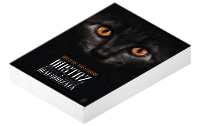

Nowa
Książka nowa.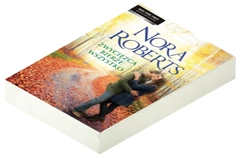
Używany - jak nowa
Niezauważalne lub prawie niezauważalne ślady używania. Książkę ciężko odróżnić od nowej pozycji.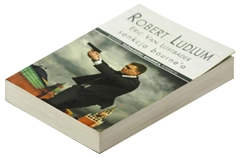
Używany - dobry
Normalne ślady używania wynikające z kartkowania podczas czytania, brak większych uszkodzeń lub zagięć.
Używany - widoczne ślady użytkowania
zagięte rogi, przyniszczona okładka, książka posiada wszystkie strony.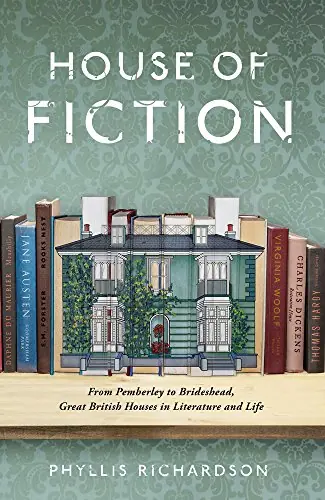
THE HOUSE OF FICTION: FROM PEMBERLEY TO BRIDESHEAD, GREAT BRITISH HOUSES IN LITERATURE AND LIFE
Masz tę lub inne książki?
Sprzedaj je u nas

Within the English literary tradition, a novelist's origins are often linked to the concept of house and home. Horace Walpole's passion for medieval architecture inspired the construction of his own "little Gothic castle," known as Strawberry Hill in Twickenham, an endeavor that led him to write the pioneering Gothic novel, "The Castle of Otranto." During the Regency era, there was a trend toward enhancing grand country estates, a concept notably employed by Jane Austen as the backdrop for her astute society novels. Austen, familiar with the grandeur of manor houses and vibrant ballrooms, once humorously confessed to dancing excessively and drinking too much wine. Fictional houses have fascinated readers for generations, spanning Gothic castles to Georgian mansions, Bloomsbury townhouses, and modern penthouses. This book explores how authors have portrayed real and fictional houses to echo the themes within their stories, transforming homes into characters that reflect the social and historical essence of their times, and delving into the unique connections each author had with these settings. Phyllis Richardson guides readers through history, revealing how the personal experiences of authors with homes and domestic life have influenced the iconic residences that became emblematic in English literature. For instance, Virginia Woolf's affection for Talland House in Cornwall shines through in "To the Lighthouse," while E.M. Forster's nostalgic recollections of Rook's Nest resonate with the idyllic portrayal in "Howard's End," as he reminisced about the beautiful English landscape of his youth. John Galsworthy's real-life romantic entanglement mirrors his fictional narratives, as seen with his affair that led to a shared home in the countryside. "The House of Fiction" utilizes historic records, author biographies, letters, and published articles, alongside the novels themselves, to showcase influential British homes and the compelling tales they inspired, while offering insights into the lives of the authors who immortalized them.
Wybierz stan zużycia:
WIĘCEJ O SKALI
Within the English literary tradition, a novelist's origins are often linked to the concept of house and home. Horace Walpole's passion for medieval architecture inspired the construction of his own "little Gothic castle," known as Strawberry Hill in Twickenham, an endeavor that led him to write the pioneering Gothic novel, "The Castle of Otranto." During the Regency era, there was a trend toward enhancing grand country estates, a concept notably employed by Jane Austen as the backdrop for her astute society novels. Austen, familiar with the grandeur of manor houses and vibrant ballrooms, once humorously confessed to dancing excessively and drinking too much wine. Fictional houses have fascinated readers for generations, spanning Gothic castles to Georgian mansions, Bloomsbury townhouses, and modern penthouses. This book explores how authors have portrayed real and fictional houses to echo the themes within their stories, transforming homes into characters that reflect the social and historical essence of their times, and delving into the unique connections each author had with these settings. Phyllis Richardson guides readers through history, revealing how the personal experiences of authors with homes and domestic life have influenced the iconic residences that became emblematic in English literature. For instance, Virginia Woolf's affection for Talland House in Cornwall shines through in "To the Lighthouse," while E.M. Forster's nostalgic recollections of Rook's Nest resonate with the idyllic portrayal in "Howard's End," as he reminisced about the beautiful English landscape of his youth. John Galsworthy's real-life romantic entanglement mirrors his fictional narratives, as seen with his affair that led to a shared home in the countryside. "The House of Fiction" utilizes historic records, author biographies, letters, and published articles, alongside the novels themselves, to showcase influential British homes and the compelling tales they inspired, while offering insights into the lives of the authors who immortalized them.
Szczegóły
Inne książki: Phyllis Richardson

Podobne produkty
Może Ci się spodobać
Inne książki z tej samej kategorii

Napisz opinię o książce i wygraj nagrodę!
W każdym miesiącu wybieramy najlepsze opinie i nagradzamy recenzentów.
Dowiedz się więcejWartość nagród w tym miesiącu
880 zł
Dodaj swoją opinię
Zaloguj się na swoje konto, aby mieć możliwość dodawania opinii.
Czy chcesz zostawić tylko ocenę?
Dodanie samej oceny o książce nie jest brane pod uwagę podczas losowania nagród. By mieć szansę na otrzymanie nagrody musisz napisać opinię o książce.
Już oceniłeś/zrecenzowałeś te książkę w przeszłości.
Możliwe jest dodanie tylko jednej recenzji do każdej z książek.
Sposoby dostawy
Odbiór w punkcie (7)
InPost Paczkomat 24/7

14,99 zł
DPD Pickup Automaty i Punkty Odbioru

11,99 zł





Dostawa na adres (7)
GLS U Ciebie - Kurier

14,99 zł
Kurier DPD

14,99 zł





Sposoby płatności
Płatność z góry
Przedpłata

Zwykły przelew
