Stan książek
Nasze książki są dokładnie sprawdzone i jasno określamy stan każdej z nich.


Nowa
Książka nowa.
Używany - jak nowa
Niezauważalne lub prawie niezauważalne ślady używania. Książkę ciężko odróżnić od nowej pozycji.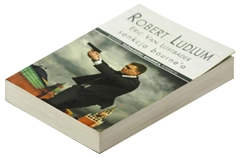
Używany - dobry
Normalne ślady używania wynikające z kartkowania podczas czytania, brak większych uszkodzeń lub zagięć.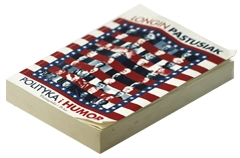
Używany - widoczne ślady użytkowania
zagięte rogi, przyniszczona okładka, książka posiada wszystkie strony.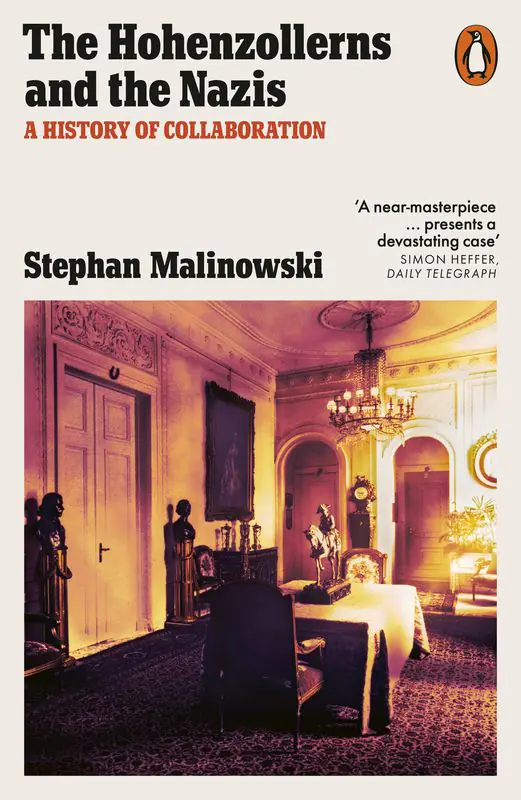
The Hohenzollerns and the Nazis
Masz tę lub inne książki?
Sprzedaj je u nas

The sudden fall of the Hohenzollern dynasty from power in Germany during November 1918, when the Kaiser sought refuge in the Netherlands, marked a dramatic shift from domination to near insignificance. Stephan Malinowski's acclaimed book offers a remarkable exploration of this transition. During the Weimar Republic and the Third Reich, the Hohenzollerns were often dismissed and scorned, yet their disdain for the Weimar government and their approval of Hitler had significant impacts on public opinion. Malinowski meticulously uncovers how the Hohenzollerns, rather than being irrelevant, played a central role in Germany's turbulent history. While they officially lost power, their influence persisted, prompting many conservative Germans to remain distant from the nascent republic. This ultimately contributed to the republic's downfall in 1933, as conservatives, wary of both Communism and Fascism, compromised their integrity alongside the former royals, who were swayed by Hitler. This book offers an insightful and alarming examination of a royal family ill-suited for its responsibilities, depicting their shortcomings with stark detail.
Wybierz stan zużycia:
WIĘCEJ O SKALI
The sudden fall of the Hohenzollern dynasty from power in Germany during November 1918, when the Kaiser sought refuge in the Netherlands, marked a dramatic shift from domination to near insignificance. Stephan Malinowski's acclaimed book offers a remarkable exploration of this transition. During the Weimar Republic and the Third Reich, the Hohenzollerns were often dismissed and scorned, yet their disdain for the Weimar government and their approval of Hitler had significant impacts on public opinion. Malinowski meticulously uncovers how the Hohenzollerns, rather than being irrelevant, played a central role in Germany's turbulent history. While they officially lost power, their influence persisted, prompting many conservative Germans to remain distant from the nascent republic. This ultimately contributed to the republic's downfall in 1933, as conservatives, wary of both Communism and Fascism, compromised their integrity alongside the former royals, who were swayed by Hitler. This book offers an insightful and alarming examination of a royal family ill-suited for its responsibilities, depicting their shortcomings with stark detail.
Szczegóły
Inne książki: Stephan Malinowski

Podobne produkty
Może Ci się spodobać
Inne książki z tej samej kategorii

Napisz opinię o książce i wygraj nagrodę!
W każdym miesiącu wybieramy najlepsze opinie i nagradzamy recenzentów.
Dowiedz się więcejWartość nagród w tym miesiącu
880 zł
Dodaj swoją opinię
Zaloguj się na swoje konto, aby mieć możliwość dodawania opinii.
Czy chcesz zostawić tylko ocenę?
Dodanie samej oceny o książce nie jest brane pod uwagę podczas losowania nagród. By mieć szansę na otrzymanie nagrody musisz napisać opinię o książce.
Już oceniłeś/zrecenzowałeś te książkę w przeszłości.
Możliwe jest dodanie tylko jednej recenzji do każdej z książek.
Sposoby dostawy
Odbiór w punkcie (6)
InPost Paczkomat 24/7

13,99 zł
ORLEN Paczka

12,99 zł




Dostawa na adres (7)
GLS U Ciebie - Kurier

14,99 zł
Kurier DPD

14,99 zł





Sposoby płatności
Płatność z góry
Przedpłata

Zwykły przelew
