Stan książek
Nasze książki są dokładnie sprawdzone i jasno określamy stan każdej z nich.

Nowa
Książka nowa.
Używany - jak nowa
Niezauważalne lub prawie niezauważalne ślady używania. Książkę ciężko odróżnić od nowej pozycji.
Używany - dobry
Normalne ślady używania wynikające z kartkowania podczas czytania, brak większych uszkodzeń lub zagięć.
Używany - widoczne ślady użytkowania
zagięte rogi, przyniszczona okładka, książka posiada wszystkie strony.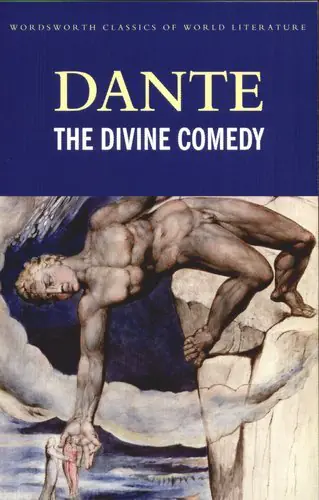
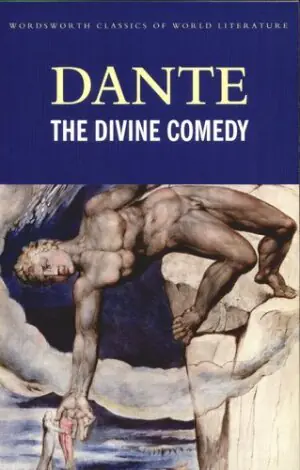
The Divine Comedy
Masz tę lub inne książki?
Sprzedaj je u nas

Dante Alighieri (1265-1321) stands as a pivotal and pioneering figure from the European Middle Ages. While exiled from his beloved Florence, he composed his renowned Comedy—later dubbed Divine by admirers—to critique a world in moral and political disarray. Simultaneously, he challenged the conventional constraints of writing in the Italian vernacular, aspiring to create a groundbreaking and comprehensive work.In the Comedy, the narrative follows a protagonist who embodies both Dante and Everyman, embarking on a profound journey through the Christian afterlife: Hell, Purgatory, and Paradise. Dante constructs an original vision of the afterlife, marked by intricate architecture and a unified structure. Throughout the voyage, both Dante's character and the readers encounter a diverse array of figures—ranging from noble to grotesque, captivating to fearsome, and admirable to tender. These encounters vividly illustrate the outcomes of sin, the process of repentance, and the embodiment of virtue, guiding the character—and the audience—from the despair of Hell, through purifying Purgatory, to the bliss of Heaven.
Wybierz stan zużycia:
WIĘCEJ O SKALI
Dante Alighieri (1265-1321) stands as a pivotal and pioneering figure from the European Middle Ages. While exiled from his beloved Florence, he composed his renowned Comedy—later dubbed Divine by admirers—to critique a world in moral and political disarray. Simultaneously, he challenged the conventional constraints of writing in the Italian vernacular, aspiring to create a groundbreaking and comprehensive work.In the Comedy, the narrative follows a protagonist who embodies both Dante and Everyman, embarking on a profound journey through the Christian afterlife: Hell, Purgatory, and Paradise. Dante constructs an original vision of the afterlife, marked by intricate architecture and a unified structure. Throughout the voyage, both Dante's character and the readers encounter a diverse array of figures—ranging from noble to grotesque, captivating to fearsome, and admirable to tender. These encounters vividly illustrate the outcomes of sin, the process of repentance, and the embodiment of virtue, guiding the character—and the audience—from the despair of Hell, through purifying Purgatory, to the bliss of Heaven.
Szczegóły
45.72 zł
nowa
-
45.72 zł
nowa

Inne książki: Dante Alighieri

Podobne produkty
Może Ci się spodobać
Inne książki z tej samej kategorii

Napisz opinię o książce i wygraj nagrodę!
W każdym miesiącu wybieramy najlepsze opinie i nagradzamy recenzentów.
Dowiedz się więcejWartość nagród w tym miesiącu
880 zł
Dodaj swoją opinię
Zaloguj się na swoje konto, aby mieć możliwość dodawania opinii.
Czy chcesz zostawić tylko ocenę?
Dodanie samej oceny o książce nie jest brane pod uwagę podczas losowania nagród. By mieć szansę na otrzymanie nagrody musisz napisać opinię o książce.
Już oceniłeś/zrecenzowałeś te książkę w przeszłości.
Możliwe jest dodanie tylko jednej recenzji do każdej z książek.
Sposoby dostawy
Odbiór w punkcie (6)
InPost Paczkomat 24/7

13,99 zł
ORLEN Paczka

12,99 zł




Dostawa na adres (7)
GLS U Ciebie - Kurier

14,99 zł
Kurier DPD

14,99 zł





Sposoby płatności
Płatność z góry
Przedpłata

Zwykły przelew
