Stan książek
Nasze książki są dokładnie sprawdzone i jasno określamy stan każdej z nich.


Nowa
Książka nowa.
Używany - jak nowa
Niezauważalne lub prawie niezauważalne ślady używania. Książkę ciężko odróżnić od nowej pozycji.
Używany - dobry
Normalne ślady używania wynikające z kartkowania podczas czytania, brak większych uszkodzeń lub zagięć.
Używany - widoczne ślady użytkowania
zagięte rogi, przyniszczona okładka, książka posiada wszystkie strony.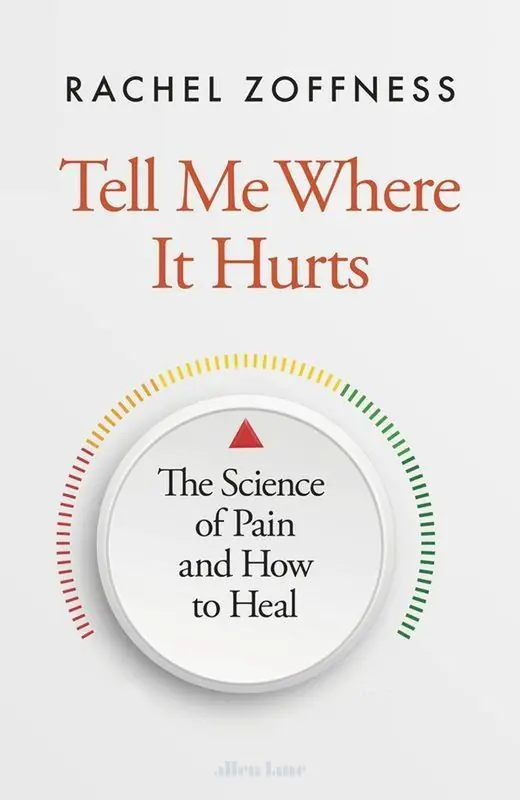
Tell Me Where It Hurts
Masz tę lub inne książki?
Sprzedaj je u nas

Pain is an inevitable part of life, affecting us through ailments like back pain, the challenges of childbirth, or the natural process of aging. It's universally experienced, sparing no one. However, what if the conventional understanding of pain is fundamentally flawed? Traditionally, pain has been perceived solely as a physical phenomenon, associated with injuries or problems in specific body parts. Yet, the reality is that pain is a construct of the brain, shaped by a multitude of factors including emotions, expectations, and the surrounding environment. This perspective implies that individuals have significantly more influence over their pain than previously believed: if the brain can adapt, so can the sensation of pain. Rachel Zoffness leverages advanced neuroscience and compelling patient narratives to dismantle prevailing misconceptions about pain. Her work reestablishes the connection between physical discomfort and emotional distress, presenting a comprehensive approach to healing. Chronic pain, contrary to popular belief, is manageable, but an effective treatment requires addressing the person as a whole rather than focusing on isolated body parts. For those grappling with ongoing pain or those supporting someone who does, Zoffness's insights provide not only understanding but also a hopeful path forward.
Wybierz stan zużycia:
WIĘCEJ O SKALI
Pain is an inevitable part of life, affecting us through ailments like back pain, the challenges of childbirth, or the natural process of aging. It's universally experienced, sparing no one. However, what if the conventional understanding of pain is fundamentally flawed? Traditionally, pain has been perceived solely as a physical phenomenon, associated with injuries or problems in specific body parts. Yet, the reality is that pain is a construct of the brain, shaped by a multitude of factors including emotions, expectations, and the surrounding environment. This perspective implies that individuals have significantly more influence over their pain than previously believed: if the brain can adapt, so can the sensation of pain. Rachel Zoffness leverages advanced neuroscience and compelling patient narratives to dismantle prevailing misconceptions about pain. Her work reestablishes the connection between physical discomfort and emotional distress, presenting a comprehensive approach to healing. Chronic pain, contrary to popular belief, is manageable, but an effective treatment requires addressing the person as a whole rather than focusing on isolated body parts. For those grappling with ongoing pain or those supporting someone who does, Zoffness's insights provide not only understanding but also a hopeful path forward.
Szczegóły
Inne książki: Rachel Zoffness

Podobne produkty
Może Ci się spodobać
Inne książki z tej samej kategorii

Napisz opinię o książce i wygraj nagrodę!
W każdym miesiącu wybieramy najlepsze opinie i nagradzamy recenzentów.
Dowiedz się więcejWartość nagród w tym miesiącu
880 zł
Dodaj swoją opinię
Zaloguj się na swoje konto, aby mieć możliwość dodawania opinii.
Czy chcesz zostawić tylko ocenę?
Dodanie samej oceny o książce nie jest brane pod uwagę podczas losowania nagród. By mieć szansę na otrzymanie nagrody musisz napisać opinię o książce.
Już oceniłeś/zrecenzowałeś te książkę w przeszłości.
Możliwe jest dodanie tylko jednej recenzji do każdej z książek.
Sposoby dostawy
Odbiór w punkcie (7)
InPost Paczkomat 24/7

14,99 zł
DPD Pickup Automaty i Punkty Odbioru

11,99 zł





Dostawa na adres (7)
GLS U Ciebie - Kurier

14,99 zł
Kurier DPD

14,99 zł





Sposoby płatności
Płatność z góry
Przedpłata

Zwykły przelew
