Stan książek
Nasze książki są dokładnie sprawdzone i jasno określamy stan każdej z nich.


Nowa
Książka nowa.
Używany - jak nowa
Niezauważalne lub prawie niezauważalne ślady używania. Książkę ciężko odróżnić od nowej pozycji.
Używany - dobry
Normalne ślady używania wynikające z kartkowania podczas czytania, brak większych uszkodzeń lub zagięć.
Używany - widoczne ślady użytkowania
zagięte rogi, przyniszczona okładka, książka posiada wszystkie strony.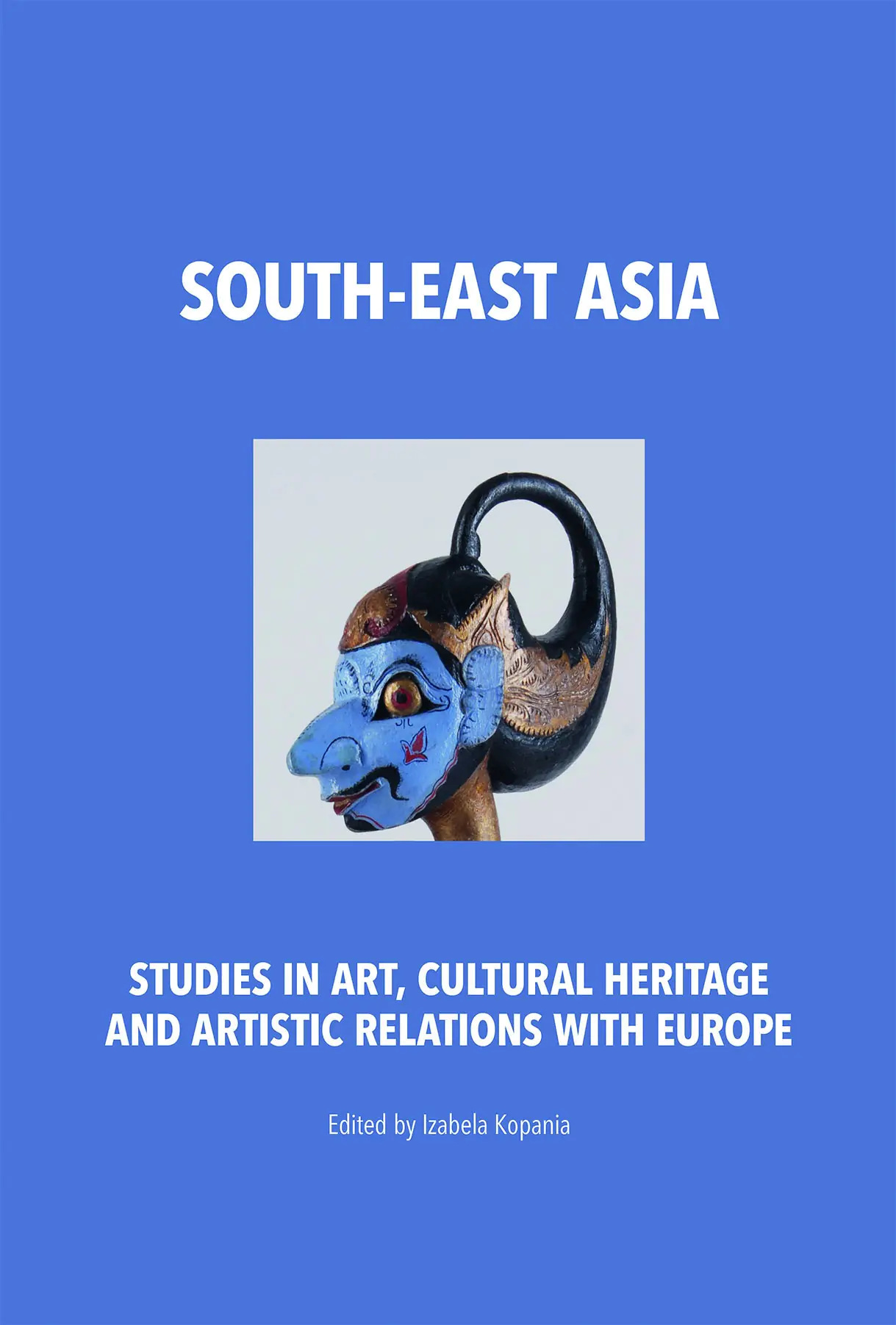
South - East Asia. Studies in art. Cultural heritage and artistic relations with Europe
Masz tę lub inne książki?
Sprzedaj je u nas

This book embarked on its journey in 2011, coinciding with the 500th anniversary of the initial interactions between Europe and South-East Asia. The saga began when the Portuguese captured Goa in 1509, leading Admiral Alfonso de Albuquerque, the Deputy Governor of Portuguese India, to send a mission to Malakka in 1511. On August 24 of that year, the city was taken, and the Famosa fortress was constructed. Additionally, that same year, Duarte Fernandes reached Ayutthaya, aiming to establish diplomatic ties with King Ramathibodi II and the Kingdom of Siam. Although opinions vary regarding the political implications of the Portuguese endeavors, it is undeniable that this establishment of direct connections marked a monumental chapter in global political, economic, and cultural history.The contents of this book are organized to present a comprehensive exploration of the artistic, cultural, and historical exchanges between these regions. Jerzy Malinowski pens a foreword, followed by Izabela Kopania's introduction. The first section, "Art & Tradition," delves into the intricate influences and traditions that shaped South-East Asian art, featuring insights from renowned scholars such as Marzenna Czerniak-Dróżdżowicz and Kang Heejung.Transitioning to "Cultural Heritage," various contributions highlight the preservation challenges and strategic implementations in safeguarding local traditions and arts. The discourse widens with contributions from experts like Guy Lubeigt and Kanokwan Gerini, who analyze the intricate relationship between cultural heritage and modernity.In the realm of "Modern & Contemporary Art," the book examines the dynamic interplay of identities and cultural narratives, with essays from Alison Carroll and Bridget Tracy Tan. This section captures the essence of artistic resilience and transformation across the Asia Pacific region, offering a fresh perspective on heritage and modernity.Finally, the section "Europe and South-East Asia: Encounters, Influences, Interpretations" illuminates the rich tapestry of interactions between these diverse cultures. Contributions from scholars like Claudine Bautze-Picron and Izabela Kopania offer a prism through which the historical, artistic, and cultural exchanges are viewed, thereby enriching our understanding of this multifaceted relationship.
Wybierz stan zużycia:
WIĘCEJ O SKALI
This book embarked on its journey in 2011, coinciding with the 500th anniversary of the initial interactions between Europe and South-East Asia. The saga began when the Portuguese captured Goa in 1509, leading Admiral Alfonso de Albuquerque, the Deputy Governor of Portuguese India, to send a mission to Malakka in 1511. On August 24 of that year, the city was taken, and the Famosa fortress was constructed. Additionally, that same year, Duarte Fernandes reached Ayutthaya, aiming to establish diplomatic ties with King Ramathibodi II and the Kingdom of Siam. Although opinions vary regarding the political implications of the Portuguese endeavors, it is undeniable that this establishment of direct connections marked a monumental chapter in global political, economic, and cultural history.The contents of this book are organized to present a comprehensive exploration of the artistic, cultural, and historical exchanges between these regions. Jerzy Malinowski pens a foreword, followed by Izabela Kopania's introduction. The first section, "Art & Tradition," delves into the intricate influences and traditions that shaped South-East Asian art, featuring insights from renowned scholars such as Marzenna Czerniak-Dróżdżowicz and Kang Heejung.Transitioning to "Cultural Heritage," various contributions highlight the preservation challenges and strategic implementations in safeguarding local traditions and arts. The discourse widens with contributions from experts like Guy Lubeigt and Kanokwan Gerini, who analyze the intricate relationship between cultural heritage and modernity.In the realm of "Modern & Contemporary Art," the book examines the dynamic interplay of identities and cultural narratives, with essays from Alison Carroll and Bridget Tracy Tan. This section captures the essence of artistic resilience and transformation across the Asia Pacific region, offering a fresh perspective on heritage and modernity.Finally, the section "Europe and South-East Asia: Encounters, Influences, Interpretations" illuminates the rich tapestry of interactions between these diverse cultures. Contributions from scholars like Claudine Bautze-Picron and Izabela Kopania offer a prism through which the historical, artistic, and cultural exchanges are viewed, thereby enriching our understanding of this multifaceted relationship.
Szczegóły
Inne książki tych autorów

Podobne produkty
Może Ci się spodobać
Inne książki z tej samej kategorii

Napisz opinię o książce i wygraj nagrodę!
W każdym miesiącu wybieramy najlepsze opinie i nagradzamy recenzentów.
Dowiedz się więcejWartość nagród w tym miesiącu
880 zł
Dodaj swoją opinię
Zaloguj się na swoje konto, aby mieć możliwość dodawania opinii.
Czy chcesz zostawić tylko ocenę?
Dodanie samej oceny o książce nie jest brane pod uwagę podczas losowania nagród. By mieć szansę na otrzymanie nagrody musisz napisać opinię o książce.
Już oceniłeś/zrecenzowałeś te książkę w przeszłości.
Możliwe jest dodanie tylko jednej recenzji do każdej z książek.
Sposoby dostawy
Odbiór w punkcie (6)
InPost Paczkomat 24/7

13,99 zł
ORLEN Paczka

12,99 zł




Dostawa na adres (7)
GLS U Ciebie - Kurier

14,99 zł
Kurier DPD

14,99 zł





Sposoby płatności
Płatność z góry
Przedpłata

Zwykły przelew
