Stan książek
Nasze książki są dokładnie sprawdzone i jasno określamy stan każdej z nich.
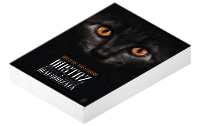

Nowa
Książka nowa.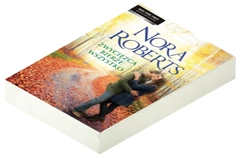
Używany - jak nowa
Niezauważalne lub prawie niezauważalne ślady używania. Książkę ciężko odróżnić od nowej pozycji.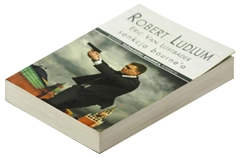
Używany - dobry
Normalne ślady używania wynikające z kartkowania podczas czytania, brak większych uszkodzeń lub zagięć.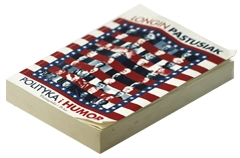
Używany - widoczne ślady użytkowania
zagięte rogi, przyniszczona okładka, książka posiada wszystkie strony.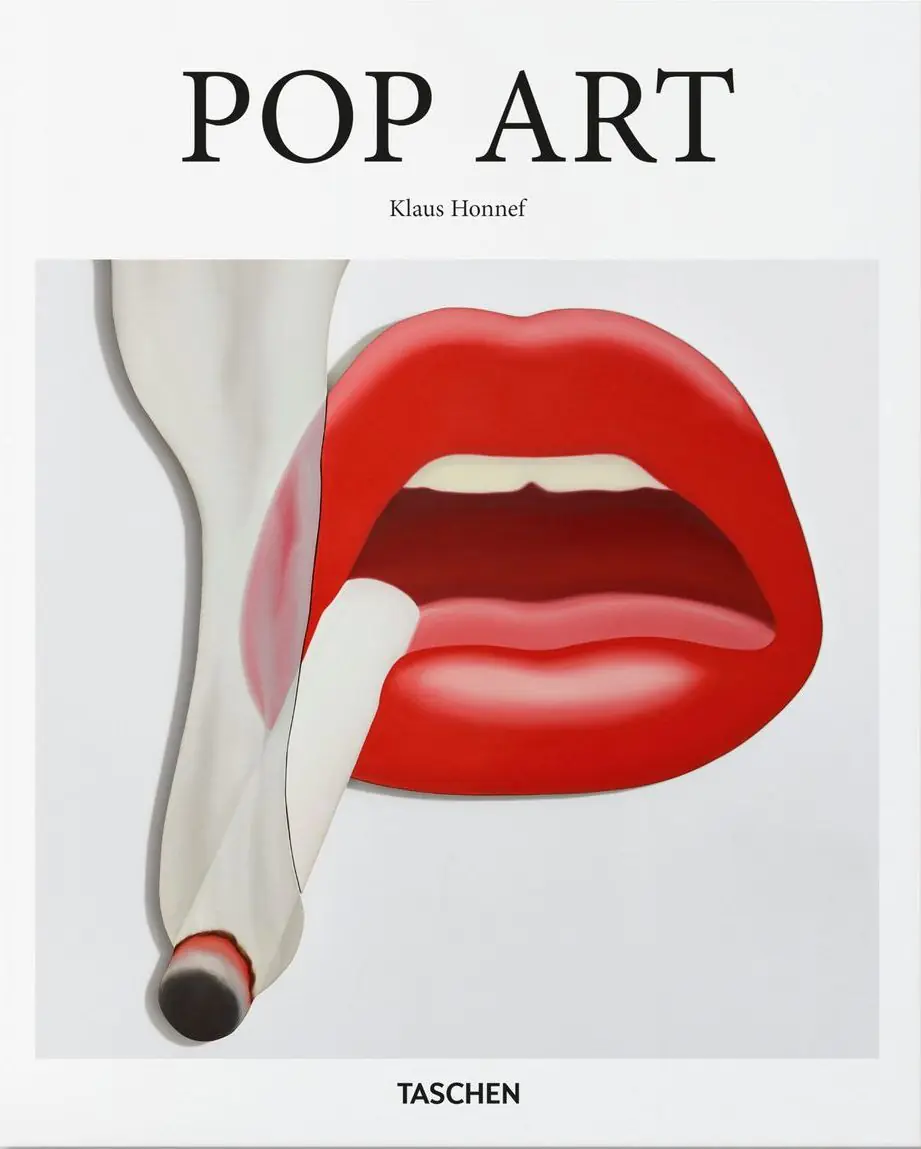
Pop Art.
Masz tę lub inne książki?
Sprzedaj je u nas

Pop Art emerged in the 1960s as a bold challenge to conventional art and cultural norms, eventually delving deeply into the essence of modern society and consumerism. This movement scrutinized materialistic values, celebrity culture, and the pervasive influence of media by drawing inspiration from mass-market sources. Iconic elements ranged from advertising and comic strips to Hollywood icons and everyday consumer product packaging, famously exemplified by Andy Warhol's Campbell's soup cans. By integrating common, mundane, and even kitschy visuals into art, Pop Art sought to question traditional artistic concepts. Additionally, it utilized mass-production methods, such as screen printing, to minimize the artist's personal touch and make art more of a mechanized process. Key figures in this transformative movement include Andy Warhol, Allen Jones, Ed Ruscha, Robert Indiana, Jasper Johns, Robert Rauschenberg, and Roy Lichtenstein. This book aims to explore and illuminate the broad impact and reach of this pivotal modern movement.
Wybierz stan zużycia:
WIĘCEJ O SKALI
Pop Art emerged in the 1960s as a bold challenge to conventional art and cultural norms, eventually delving deeply into the essence of modern society and consumerism. This movement scrutinized materialistic values, celebrity culture, and the pervasive influence of media by drawing inspiration from mass-market sources. Iconic elements ranged from advertising and comic strips to Hollywood icons and everyday consumer product packaging, famously exemplified by Andy Warhol's Campbell's soup cans. By integrating common, mundane, and even kitschy visuals into art, Pop Art sought to question traditional artistic concepts. Additionally, it utilized mass-production methods, such as screen printing, to minimize the artist's personal touch and make art more of a mechanized process. Key figures in this transformative movement include Andy Warhol, Allen Jones, Ed Ruscha, Robert Indiana, Jasper Johns, Robert Rauschenberg, and Roy Lichtenstein. This book aims to explore and illuminate the broad impact and reach of this pivotal modern movement.
Szczegóły
Inne książki: Klaus Honnef

Podobne produkty
Może Ci się spodobać
Inne książki z tej samej kategorii

Napisz opinię o książce i wygraj nagrodę!
W każdym miesiącu wybieramy najlepsze opinie i nagradzamy recenzentów.
Dowiedz się więcejWartość nagród w tym miesiącu
880 zł
Dodaj swoją opinię
Zaloguj się na swoje konto, aby mieć możliwość dodawania opinii.
Czy chcesz zostawić tylko ocenę?
Dodanie samej oceny o książce nie jest brane pod uwagę podczas losowania nagród. By mieć szansę na otrzymanie nagrody musisz napisać opinię o książce.
Już oceniłeś/zrecenzowałeś te książkę w przeszłości.
Możliwe jest dodanie tylko jednej recenzji do każdej z książek.
Sposoby dostawy
Odbiór w punkcie (6)
InPost Paczkomat 24/7

13,99 zł
ORLEN Paczka

12,99 zł




Dostawa na adres (7)
GLS U Ciebie - Kurier

14,99 zł
Kurier DPD

14,99 zł





Sposoby płatności
Płatność z góry
Przedpłata

Zwykły przelew
