Stan książek
Nasze książki są dokładnie sprawdzone i jasno określamy stan każdej z nich.

Nowa
Książka nowa.
Używany - jak nowa
Niezauważalne lub prawie niezauważalne ślady używania. Książkę ciężko odróżnić od nowej pozycji.
Używany - dobry
Normalne ślady używania wynikające z kartkowania podczas czytania, brak większych uszkodzeń lub zagięć.
Używany - widoczne ślady użytkowania
zagięte rogi, przyniszczona okładka, książka posiada wszystkie strony.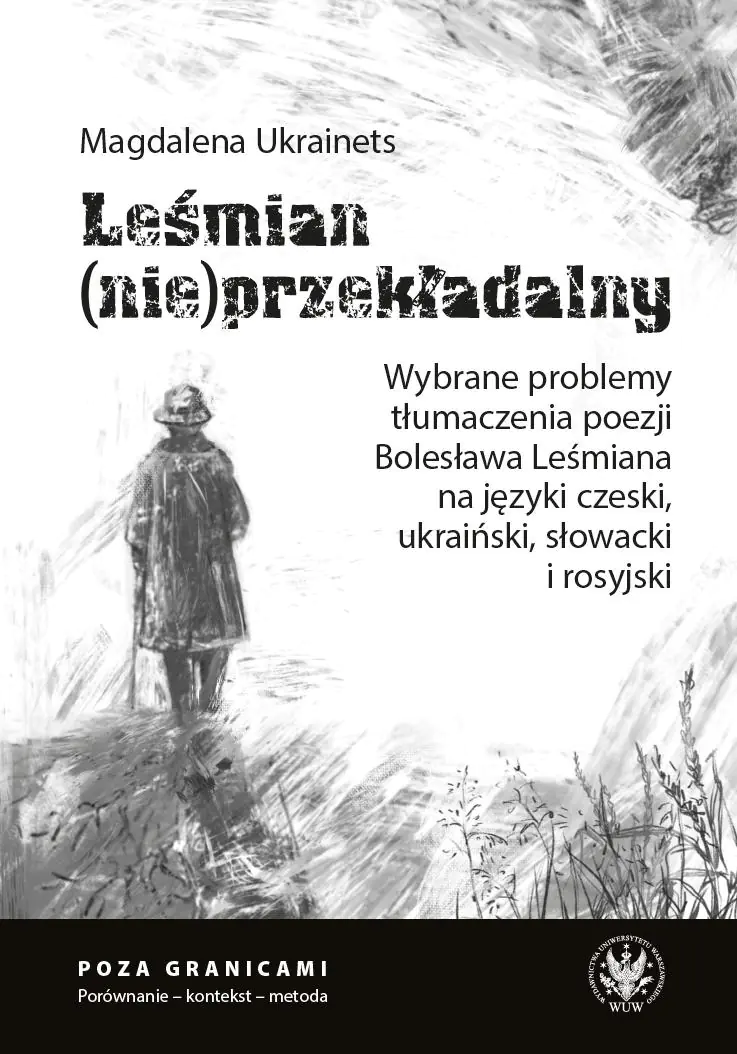
Leśmian (nie)przekładalny. Wybrane problemy tłumaczenia poezji Bolesława Leśmiana na języki czeski,
Masz tę lub inne książki?
Sprzedaj je u nas

In this interdisciplinary work, the author merges literary comparatism with the study of translation to explore the complexities involved in translating Bolesław Leśmian's poetry into Czech, Slovak, Russian, and Ukrainian. The study delves into significant translation challenges, notably the distinct linguistic features known as leśmianisms, alongside neologisms, intricate metaphorical language, as well as negative poetics, and the unique constructs of time and space evident in the poet's oeuvre. This publication stands out due to its introduction of transposition theory as an effective strategy to tackle the issue of untranslatability, providing practical advice for translators. It addresses a critical gap in existing research concerning the reception of Leśmian's works within Slavic languages, particularly Czech, Slovak, and Ukrainian, which have historically been given less attention.
Wybierz stan zużycia:
WIĘCEJ O SKALI
In this interdisciplinary work, the author merges literary comparatism with the study of translation to explore the complexities involved in translating Bolesław Leśmian's poetry into Czech, Slovak, Russian, and Ukrainian. The study delves into significant translation challenges, notably the distinct linguistic features known as leśmianisms, alongside neologisms, intricate metaphorical language, as well as negative poetics, and the unique constructs of time and space evident in the poet's oeuvre. This publication stands out due to its introduction of transposition theory as an effective strategy to tackle the issue of untranslatability, providing practical advice for translators. It addresses a critical gap in existing research concerning the reception of Leśmian's works within Slavic languages, particularly Czech, Slovak, and Ukrainian, which have historically been given less attention.
Szczegóły
Inne książki: Ukrainets Magdalena

Podobne produkty
Może Ci się spodobać
Inne książki z tej samej kategorii

Napisz opinię o książce i wygraj nagrodę!
W każdym miesiącu wybieramy najlepsze opinie i nagradzamy recenzentów.
Dowiedz się więcejWartość nagród w tym miesiącu
880 zł
Dodaj swoją opinię
Zaloguj się na swoje konto, aby mieć możliwość dodawania opinii.
Czy chcesz zostawić tylko ocenę?
Dodanie samej oceny o książce nie jest brane pod uwagę podczas losowania nagród. By mieć szansę na otrzymanie nagrody musisz napisać opinię o książce.
Już oceniłeś/zrecenzowałeś te książkę w przeszłości.
Możliwe jest dodanie tylko jednej recenzji do każdej z książek.
Sposoby dostawy
Odbiór w punkcie (6)
InPost Paczkomat 24/7

13,99 zł
ORLEN Paczka

12,99 zł




Dostawa na adres (7)
GLS U Ciebie - Kurier

14,99 zł
Kurier DPD

14,99 zł





Sposoby płatności
Płatność z góry
Przedpłata

Zwykły przelew
