Stan książek
Nasze książki są dokładnie sprawdzone i jasno określamy stan każdej z nich.
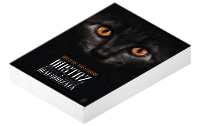

Nowa
Książka nowa.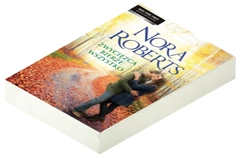
Używany - jak nowa
Niezauważalne lub prawie niezauważalne ślady używania. Książkę ciężko odróżnić od nowej pozycji.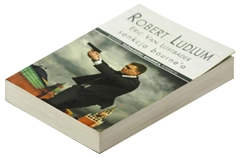
Używany - dobry
Normalne ślady używania wynikające z kartkowania podczas czytania, brak większych uszkodzeń lub zagięć.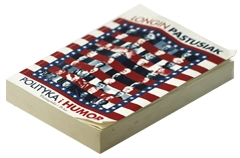
Używany - widoczne ślady użytkowania
zagięte rogi, przyniszczona okładka, książka posiada wszystkie strony.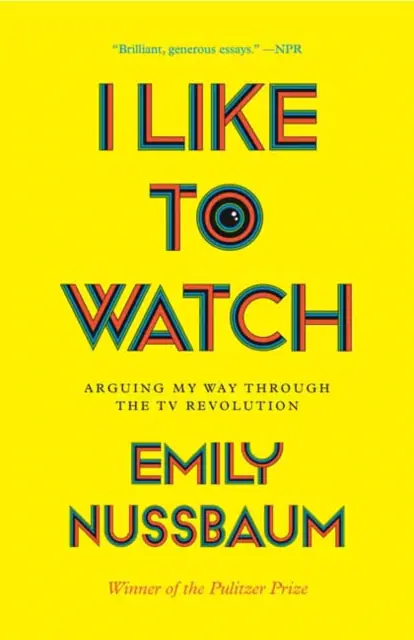
I Like to Watch: Arguing My Way Through the TV Revolution
Masz tę lub inne książki?
Sprzedaj je u nas

From the original and bold voice of Emily Nussbaum, a Pulitzer Prize-winning culture critic at The New Yorker, comes a stimulating anthology of essays, both new and previously released, that delve into the idea that our identities are shaped by the television we consume. Praised by David Grann, the author of "Killers of the Flower Moon," as an exceptional critic, Nussbaum is celebrated for being intelligent, engaging, humorous, and perceptive. This work has been recognized as one of the best books of the year by various notable publications including NPR and the Chicago Tribune.Since crafting the "Approval Matrix" for New York Magazine in 2004, Nussbaum has championed a novel perspective on television criticism, a journey chronicled in this collection. Featuring two essays published for the first time, it covers her television fixation, starting with "Buffy the Vampire Slayer," the series that sparked a new cerebral pursuit. Her essays dissect themes such as the emergence of complex female characters, fan influences on beloved series, and the chaotic depiction of sexual violence on screen. Additionally, she ponders the peculiar year when humor steered a reality TV persona to the presidency.Providing profiles on TV visionaries like Kenya Barris, Jenji Kohan, and Ryan Murphy, the book also revisits the enduring impacts of Norman Lear and Joan Rivers. Another significant essay addresses the conundrum of admiring art made by flawed creators, penned during the #MeToo movement. This collection is more than reviews; it argues for dismantling cultural elitism surrounding television, asserting its evolving significance. Nussbaum recounts her journey over fifteen years toward cultivating a new criticism style that eschews the hierarchical valuation of culture. "I Like to Watch" captures her endeavor to redefine 'prestige television,' advocating for a broader recognition of artistic endeavors that celebrate diverse forms of beauty and intricacy.
Wybierz stan zużycia:
WIĘCEJ O SKALI
From the original and bold voice of Emily Nussbaum, a Pulitzer Prize-winning culture critic at The New Yorker, comes a stimulating anthology of essays, both new and previously released, that delve into the idea that our identities are shaped by the television we consume. Praised by David Grann, the author of "Killers of the Flower Moon," as an exceptional critic, Nussbaum is celebrated for being intelligent, engaging, humorous, and perceptive. This work has been recognized as one of the best books of the year by various notable publications including NPR and the Chicago Tribune.Since crafting the "Approval Matrix" for New York Magazine in 2004, Nussbaum has championed a novel perspective on television criticism, a journey chronicled in this collection. Featuring two essays published for the first time, it covers her television fixation, starting with "Buffy the Vampire Slayer," the series that sparked a new cerebral pursuit. Her essays dissect themes such as the emergence of complex female characters, fan influences on beloved series, and the chaotic depiction of sexual violence on screen. Additionally, she ponders the peculiar year when humor steered a reality TV persona to the presidency.Providing profiles on TV visionaries like Kenya Barris, Jenji Kohan, and Ryan Murphy, the book also revisits the enduring impacts of Norman Lear and Joan Rivers. Another significant essay addresses the conundrum of admiring art made by flawed creators, penned during the #MeToo movement. This collection is more than reviews; it argues for dismantling cultural elitism surrounding television, asserting its evolving significance. Nussbaum recounts her journey over fifteen years toward cultivating a new criticism style that eschews the hierarchical valuation of culture. "I Like to Watch" captures her endeavor to redefine 'prestige television,' advocating for a broader recognition of artistic endeavors that celebrate diverse forms of beauty and intricacy.
Szczegóły
Inne książki: Emily Nussbaum

Podobne produkty
Może Ci się spodobać
Inne książki z tej samej kategorii

Napisz opinię o książce i wygraj nagrodę!
W każdym miesiącu wybieramy najlepsze opinie i nagradzamy recenzentów.
Dowiedz się więcejWartość nagród w tym miesiącu
880 zł
Dodaj swoją opinię
Zaloguj się na swoje konto, aby mieć możliwość dodawania opinii.
Czy chcesz zostawić tylko ocenę?
Dodanie samej oceny o książce nie jest brane pod uwagę podczas losowania nagród. By mieć szansę na otrzymanie nagrody musisz napisać opinię o książce.
Już oceniłeś/zrecenzowałeś te książkę w przeszłości.
Możliwe jest dodanie tylko jednej recenzji do każdej z książek.
Sposoby dostawy
Odbiór w punkcie (7)
InPost Paczkomat 24/7

14,99 zł
DPD Pickup Automaty i Punkty Odbioru

11,99 zł





Dostawa na adres (7)
GLS U Ciebie - Kurier

14,99 zł
Kurier DPD

14,99 zł





Sposoby płatności
Płatność z góry
Przedpłata

Zwykły przelew
