Stan książek
Nasze książki są dokładnie sprawdzone i jasno określamy stan każdej z nich.
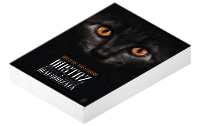

Nowa
Książka nowa.
Używany - jak nowa
Niezauważalne lub prawie niezauważalne ślady używania. Książkę ciężko odróżnić od nowej pozycji.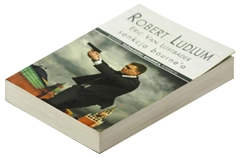
Używany - dobry
Normalne ślady używania wynikające z kartkowania podczas czytania, brak większych uszkodzeń lub zagięć.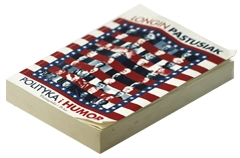
Używany - widoczne ślady użytkowania
zagięte rogi, przyniszczona okładka, książka posiada wszystkie strony.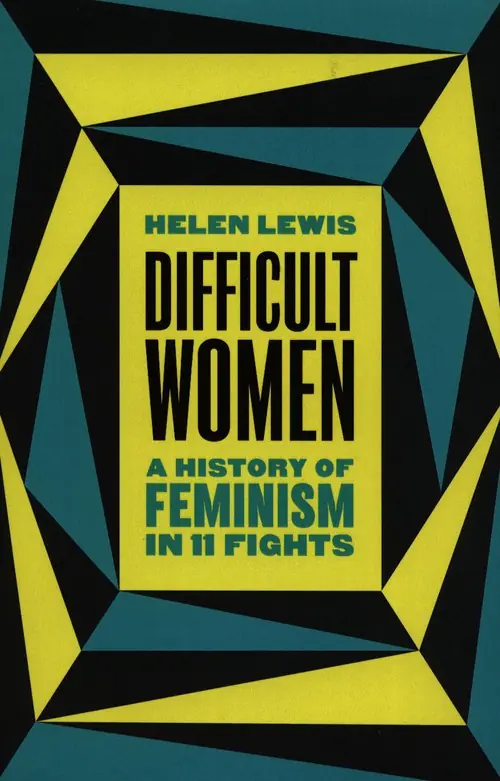
Difficult Women
Masz tę lub inne książki?
Sprzedaj je u nas

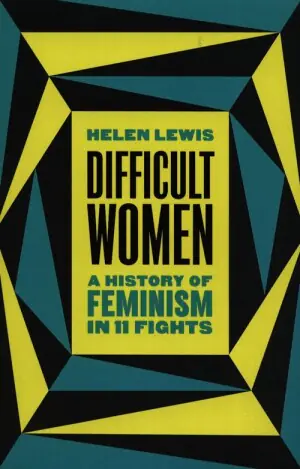
The assertion that well-behaved women don't make history is vividly explored by Helen Lewis, who posits that feminism owes its triumphs to complex, imperfect women who often clashed with one another while fighting for gender equality. Many influential figures in this movement have been either overlooked or sanitized in contemporary society's quest for uplifting role models. Lewis calls for a reevaluation of feminism's history to highlight these challenging figures. Her book introduces readers to working-class suffragettes who resorted to bombings and arson, a princess who investigated women's sexual dissatisfaction, a refuge movement trailblazer who later advocated for men's rights, and a sari-clad striker who alarmed Margaret Thatcher. It also covers a Victorian wife wrongly rumored to be involved with the prime minister and a lesbian politician who caused national uproar. By extending the narrative into the modern era, including the fight for access to abortion services, Lewis offers a raw and ongoing portrayal of women's rights evolution. Through extensive research and interviews, "Difficult Women" delivers a witty, bold, and occasionally startling chronicle, underlining the reasons behind feminism's accomplishments and what lies ahead. The struggle is formidable, and we too must embody that difficulty.
Wybierz stan zużycia:
WIĘCEJ O SKALI
The assertion that well-behaved women don't make history is vividly explored by Helen Lewis, who posits that feminism owes its triumphs to complex, imperfect women who often clashed with one another while fighting for gender equality. Many influential figures in this movement have been either overlooked or sanitized in contemporary society's quest for uplifting role models. Lewis calls for a reevaluation of feminism's history to highlight these challenging figures. Her book introduces readers to working-class suffragettes who resorted to bombings and arson, a princess who investigated women's sexual dissatisfaction, a refuge movement trailblazer who later advocated for men's rights, and a sari-clad striker who alarmed Margaret Thatcher. It also covers a Victorian wife wrongly rumored to be involved with the prime minister and a lesbian politician who caused national uproar. By extending the narrative into the modern era, including the fight for access to abortion services, Lewis offers a raw and ongoing portrayal of women's rights evolution. Through extensive research and interviews, "Difficult Women" delivers a witty, bold, and occasionally startling chronicle, underlining the reasons behind feminism's accomplishments and what lies ahead. The struggle is formidable, and we too must embody that difficulty.
Szczegóły

Inne książki: Helen Lewis

Podobne produkty
Może Ci się spodobać
Inne książki z tej samej kategorii

Napisz opinię o książce i wygraj nagrodę!
W każdym miesiącu wybieramy najlepsze opinie i nagradzamy recenzentów.
Dowiedz się więcejWartość nagród w tym miesiącu
880 zł
Dodaj swoją opinię
Zaloguj się na swoje konto, aby mieć możliwość dodawania opinii.
Czy chcesz zostawić tylko ocenę?
Dodanie samej oceny o książce nie jest brane pod uwagę podczas losowania nagród. By mieć szansę na otrzymanie nagrody musisz napisać opinię o książce.
Już oceniłeś/zrecenzowałeś te książkę w przeszłości.
Możliwe jest dodanie tylko jednej recenzji do każdej z książek.
Sposoby dostawy
Odbiór w punkcie (6)
InPost Paczkomat 24/7

13,99 zł
ORLEN Paczka

12,99 zł




Dostawa na adres (7)
GLS U Ciebie - Kurier

14,99 zł
Kurier DPD

14,99 zł





Sposoby płatności
Płatność z góry
Przedpłata

Zwykły przelew
