Stan książek
Nasze książki są dokładnie sprawdzone i jasno określamy stan każdej z nich.

Nowa
Książka nowa.
Używany - jak nowa
Niezauważalne lub prawie niezauważalne ślady używania. Książkę ciężko odróżnić od nowej pozycji.
Używany - dobry
Normalne ślady używania wynikające z kartkowania podczas czytania, brak większych uszkodzeń lub zagięć.
Używany - widoczne ślady użytkowania
zagięte rogi, przyniszczona okładka, książka posiada wszystkie strony.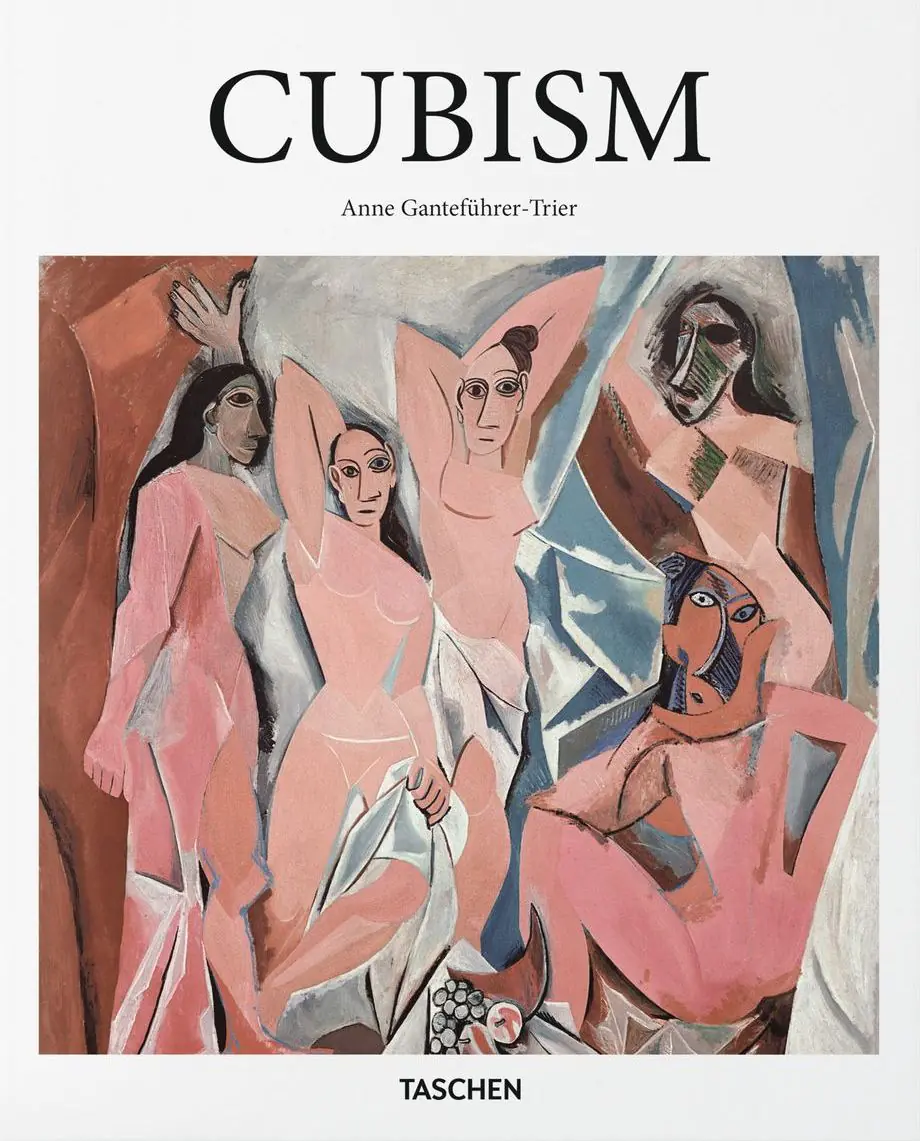
Cubism
Masz tę lub inne książki?
Sprzedaj je u nas

Exploring the evolution of perspective through the innovations of Picasso and his contemporaries, Cubism stands as a groundbreaking avant-garde art movement of the early 20th century, initiated by Picasso and Braque. Drawing inspiration from African and Native American art and sculpture, these artists challenged traditional European norms of viewpoint, form, and perspective, crafting images that were both flattened and fragmented. A landmark in this movement, Picasso’s Les Demoiselles d’Avignon, is often heralded as the first cubist painting, notable for its daring deconstruction of subjects into discrete planes that suggest multiple perspectives simultaneously. As Cubism progressed, it branched into two main styles: Analytical Cubism, characterized by interwoven perspectives rendered in subdued tones of black, grey, and ochre; and later, Synthetic Cubism, distinguished by the use of simpler shapes, more vibrant colors, and the incorporation of collage elements such as newspaper clippings. This book delves into the significant contributors to Cubism, showcasing the works of artists like Pablo Picasso, Georges Braque, Fernand Léger, Juan Gris, Albert Gleizes, and Robert Delaunay.
Wybierz stan zużycia:
WIĘCEJ O SKALI
Exploring the evolution of perspective through the innovations of Picasso and his contemporaries, Cubism stands as a groundbreaking avant-garde art movement of the early 20th century, initiated by Picasso and Braque. Drawing inspiration from African and Native American art and sculpture, these artists challenged traditional European norms of viewpoint, form, and perspective, crafting images that were both flattened and fragmented. A landmark in this movement, Picasso’s Les Demoiselles d’Avignon, is often heralded as the first cubist painting, notable for its daring deconstruction of subjects into discrete planes that suggest multiple perspectives simultaneously. As Cubism progressed, it branched into two main styles: Analytical Cubism, characterized by interwoven perspectives rendered in subdued tones of black, grey, and ochre; and later, Synthetic Cubism, distinguished by the use of simpler shapes, more vibrant colors, and the incorporation of collage elements such as newspaper clippings. This book delves into the significant contributors to Cubism, showcasing the works of artists like Pablo Picasso, Georges Braque, Fernand Léger, Juan Gris, Albert Gleizes, and Robert Delaunay.
Szczegóły
Inne książki: Anne Ganteführer-Trier

Podobne produkty
Może Ci się spodobać
Inne książki z tej samej kategorii

Napisz opinię o książce i wygraj nagrodę!
W każdym miesiącu wybieramy najlepsze opinie i nagradzamy recenzentów.
Dowiedz się więcejWartość nagród w tym miesiącu
880 zł
Dodaj swoją opinię
Zaloguj się na swoje konto, aby mieć możliwość dodawania opinii.
Czy chcesz zostawić tylko ocenę?
Dodanie samej oceny o książce nie jest brane pod uwagę podczas losowania nagród. By mieć szansę na otrzymanie nagrody musisz napisać opinię o książce.
Już oceniłeś/zrecenzowałeś te książkę w przeszłości.
Możliwe jest dodanie tylko jednej recenzji do każdej z książek.
Sposoby dostawy
Odbiór w punkcie (6)
InPost Paczkomat 24/7

13,99 zł
ORLEN Paczka

12,99 zł




Dostawa na adres (7)
GLS U Ciebie - Kurier

14,99 zł
Kurier DPD

14,99 zł





Sposoby płatności
Płatność z góry
Przedpłata

Zwykły przelew
