Stan książek
Nasze książki są dokładnie sprawdzone i jasno określamy stan każdej z nich.
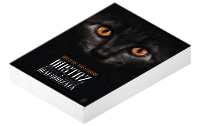

Nowa
Książka nowa.
Używany - jak nowa
Niezauważalne lub prawie niezauważalne ślady używania. Książkę ciężko odróżnić od nowej pozycji.
Używany - dobry
Normalne ślady używania wynikające z kartkowania podczas czytania, brak większych uszkodzeń lub zagięć.
Używany - widoczne ślady użytkowania
zagięte rogi, przyniszczona okładka, książka posiada wszystkie strony.
Brain On Fire: My Month of Madness
Masz tę lub inne książki?
Sprzedaj je u nas

"Brain on Fire: My Month of Madness" is a riveting first work by journalist Susannah Cahalan that chronicles her descent into a baffling and frightening condition. At 24, Susannah was thriving when life took a drastic turn; she awoke in a hospital with no recollection of her journey there. Within a few short weeks, her life spiraled into chaos, marked by erratic behavior and terrifying delusions, even imagining that her father had committed murder and that she could manipulate time. Her identity and reality were stripped away, plunging her into severe psychosis without explanation. Cahalan's narrative unveils her desperate search for answers, as she recounts the journey through numerous tests that led medical professionals to the brink of treating her solely for psychiatric issues. The breakthrough came not from advanced technology but through the insight of Dr. Najjar, a brilliant physician from Syria. With basic tools—pen and paper—Dr. Najjar identified a rare autoimmune disorder attacking her brain, linking it to ancient tales of demonic possession. His diagnosis not only restored Susannah’s life but likely safeguarded others who may face similar fates. This account, reconstructed from fragments of memories, personal journals, and clinical records, offers an immersive glimpse into the discovery of a new medical phenomenon. Praised for its clear-eyed accuracy and raw honesty, Cahalan's work beautifully conveys the trials of losing one's self. Her award-winning writing, celebrated in venues such as the New York Times and the New York Post, provides a powerful testament to resilience and the relentless pursuit of truth. The book, published by Penguin Books, features 288 pages of gripping narrative that combines personal vulnerability with journalistic rigor.
Wybierz stan zużycia:
WIĘCEJ O SKALI
"Brain on Fire: My Month of Madness" is a riveting first work by journalist Susannah Cahalan that chronicles her descent into a baffling and frightening condition. At 24, Susannah was thriving when life took a drastic turn; she awoke in a hospital with no recollection of her journey there. Within a few short weeks, her life spiraled into chaos, marked by erratic behavior and terrifying delusions, even imagining that her father had committed murder and that she could manipulate time. Her identity and reality were stripped away, plunging her into severe psychosis without explanation. Cahalan's narrative unveils her desperate search for answers, as she recounts the journey through numerous tests that led medical professionals to the brink of treating her solely for psychiatric issues. The breakthrough came not from advanced technology but through the insight of Dr. Najjar, a brilliant physician from Syria. With basic tools—pen and paper—Dr. Najjar identified a rare autoimmune disorder attacking her brain, linking it to ancient tales of demonic possession. His diagnosis not only restored Susannah’s life but likely safeguarded others who may face similar fates. This account, reconstructed from fragments of memories, personal journals, and clinical records, offers an immersive glimpse into the discovery of a new medical phenomenon. Praised for its clear-eyed accuracy and raw honesty, Cahalan's work beautifully conveys the trials of losing one's self. Her award-winning writing, celebrated in venues such as the New York Times and the New York Post, provides a powerful testament to resilience and the relentless pursuit of truth. The book, published by Penguin Books, features 288 pages of gripping narrative that combines personal vulnerability with journalistic rigor.
Szczegóły
Inne książki: Susannah Cahalan

Podobne produkty
Może Ci się spodobać
Inne książki z tej samej kategorii

Napisz opinię o książce i wygraj nagrodę!
W każdym miesiącu wybieramy najlepsze opinie i nagradzamy recenzentów.
Dowiedz się więcejWartość nagród w tym miesiącu
880 zł
Dodaj swoją opinię
Zaloguj się na swoje konto, aby mieć możliwość dodawania opinii.
Czy chcesz zostawić tylko ocenę?
Dodanie samej oceny o książce nie jest brane pod uwagę podczas losowania nagród. By mieć szansę na otrzymanie nagrody musisz napisać opinię o książce.
Już oceniłeś/zrecenzowałeś te książkę w przeszłości.
Możliwe jest dodanie tylko jednej recenzji do każdej z książek.
Sposoby dostawy
Odbiór w punkcie (7)
InPost Paczkomat 24/7

14,99 zł
DPD Pickup Automaty i Punkty Odbioru

11,99 zł





Dostawa na adres (7)
GLS U Ciebie - Kurier

14,99 zł
Kurier DPD

14,99 zł





Sposoby płatności
Płatność z góry
Przedpłata

Zwykły przelew
