Stan książek
Nasze książki są dokładnie sprawdzone i jasno określamy stan każdej z nich.


Nowa
Książka nowa.
Używany - jak nowa
Niezauważalne lub prawie niezauważalne ślady używania. Książkę ciężko odróżnić od nowej pozycji.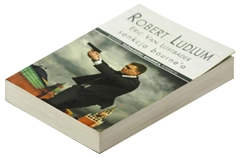
Używany - dobry
Normalne ślady używania wynikające z kartkowania podczas czytania, brak większych uszkodzeń lub zagięć.
Używany - widoczne ślady użytkowania
zagięte rogi, przyniszczona okładka, książka posiada wszystkie strony.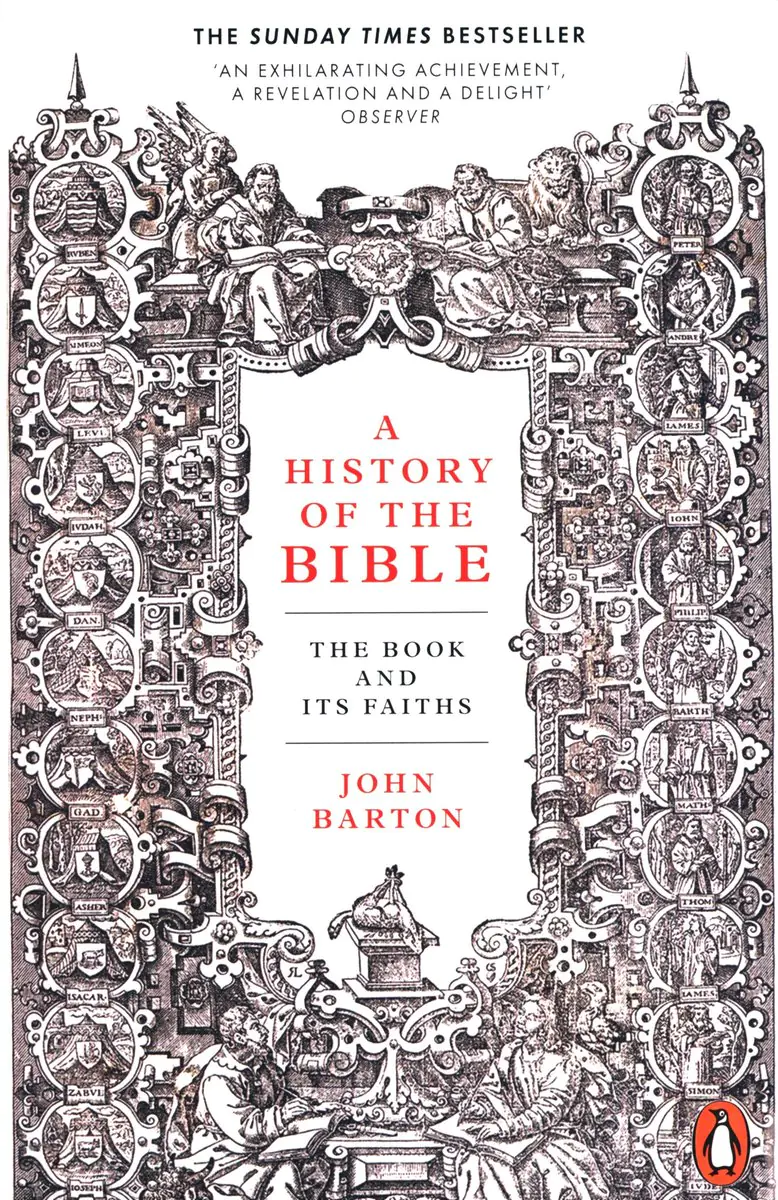
A History of the Bible
Masz tę lub inne książki?
Sprzedaj je u nas

With profound emotional and psychological acumen, Barton brings to life a dormant yet significant aspect of our culture. In doing so, he has crafted a masterful work, as noted by the Sunday Times. The Bible stands as a cornerstone of Western civilization, holding sacred importance for two major world religions, and acting as a foundation for beliefs and life guidance. Its influence extends beyond faith, holding a prestigious place in world literature and deeply embedding itself in our language and cognition. This book chronicles the Bible’s journey from its ancient origins to the present day, detailing how it was constructed and interpreted over time. John Barton delves into the origins of the Bible’s narratives, laws, proverbs, prophecies, poems, and letters, exploring what can and cannot be known about their authors and the potential meanings they intended. His insightful analysis offers fresh perspectives on familiar scriptures, revealing the traditions and sources that shaped them, along with the contribution of scribes and editors who pieced and revised these texts together. He examines how certain writings were deemed sacred and became canonical, while others did not, illustrating that the Bible is not a static text but a product undergoing a fascinating evolution. Barton traces the Bible's translation, dissemination, and interpretation within Judaism and Christianity, from ancient times to the rise of modern biblical scholarship. He sheds light on how interpretations have been both extracted from and projected onto the Bible. One notable aspect of the book is how it highlights the disconnect between religion and scripture, exposing how they do not align perfectly, and showing how religious thinkers like Augustine, Luther, and Spinoza have grappled with this discrepancy. Barton argues that to view the Bible as 'authoritative,' it should not be interpreted as it has been traditionally by believers.
Wybierz stan zużycia:
WIĘCEJ O SKALI
With profound emotional and psychological acumen, Barton brings to life a dormant yet significant aspect of our culture. In doing so, he has crafted a masterful work, as noted by the Sunday Times. The Bible stands as a cornerstone of Western civilization, holding sacred importance for two major world religions, and acting as a foundation for beliefs and life guidance. Its influence extends beyond faith, holding a prestigious place in world literature and deeply embedding itself in our language and cognition. This book chronicles the Bible’s journey from its ancient origins to the present day, detailing how it was constructed and interpreted over time. John Barton delves into the origins of the Bible’s narratives, laws, proverbs, prophecies, poems, and letters, exploring what can and cannot be known about their authors and the potential meanings they intended. His insightful analysis offers fresh perspectives on familiar scriptures, revealing the traditions and sources that shaped them, along with the contribution of scribes and editors who pieced and revised these texts together. He examines how certain writings were deemed sacred and became canonical, while others did not, illustrating that the Bible is not a static text but a product undergoing a fascinating evolution. Barton traces the Bible's translation, dissemination, and interpretation within Judaism and Christianity, from ancient times to the rise of modern biblical scholarship. He sheds light on how interpretations have been both extracted from and projected onto the Bible. One notable aspect of the book is how it highlights the disconnect between religion and scripture, exposing how they do not align perfectly, and showing how religious thinkers like Augustine, Luther, and Spinoza have grappled with this discrepancy. Barton argues that to view the Bible as 'authoritative,' it should not be interpreted as it has been traditionally by believers.
Szczegóły
Inne książki: John Barton

Podobne produkty
Może Ci się spodobać
Inne książki z tej samej kategorii

Napisz opinię o książce i wygraj nagrodę!
W każdym miesiącu wybieramy najlepsze opinie i nagradzamy recenzentów.
Dowiedz się więcejWartość nagród w tym miesiącu
880 zł
Dodaj swoją opinię
Zaloguj się na swoje konto, aby mieć możliwość dodawania opinii.
Czy chcesz zostawić tylko ocenę?
Dodanie samej oceny o książce nie jest brane pod uwagę podczas losowania nagród. By mieć szansę na otrzymanie nagrody musisz napisać opinię o książce.
Już oceniłeś/zrecenzowałeś te książkę w przeszłości.
Możliwe jest dodanie tylko jednej recenzji do każdej z książek.
Sposoby dostawy
Odbiór w punkcie (7)
InPost Paczkomat 24/7

14,99 zł
DPD Pickup Automaty i Punkty Odbioru

10,49 zł





Dostawa na adres (7)
GLS U Ciebie - Kurier

14,99 zł
Kurier DPD

14,99 zł





Sposoby płatności
Płatność z góry
Przedpłata

Zwykły przelew
