Stan książek
Nasze książki są dokładnie sprawdzone i jasno określamy stan każdej z nich.

Nowa
Książka nowa.
Używany - jak nowa
Niezauważalne lub prawie niezauważalne ślady używania. Książkę ciężko odróżnić od nowej pozycji.
Używany - dobry
Normalne ślady używania wynikające z kartkowania podczas czytania, brak większych uszkodzeń lub zagięć.
Używany - widoczne ślady użytkowania
zagięte rogi, przyniszczona okładka, książka posiada wszystkie strony.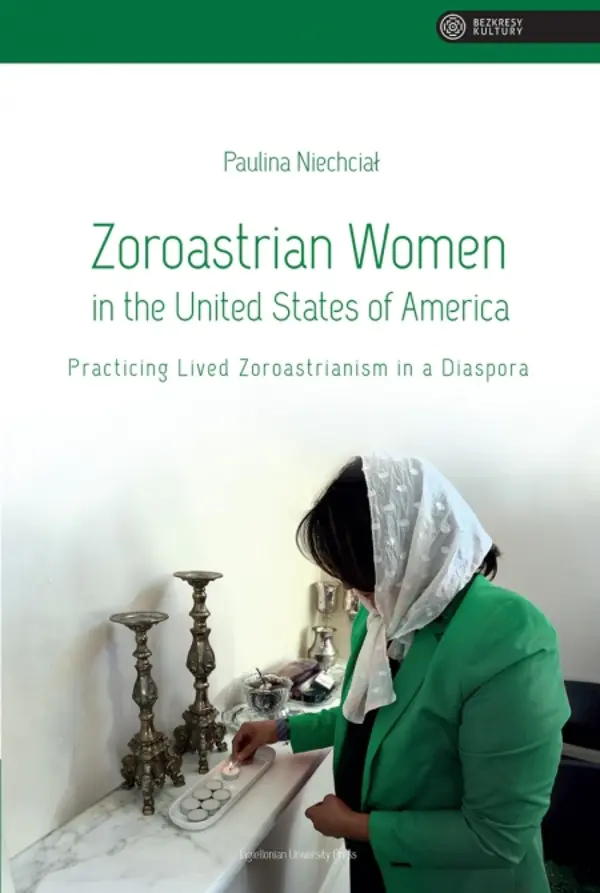
Zoroastrian Women in the United States of America
Masz tę lub inne książki?
Sprzedaj je u nas

This insightful book explores the practice of ancient Zoroastrianism within the United States diaspora and its dynamic evolution over time. Originating from the patriarchal societies of Iran and India, the book shifts its focus to highlight the role of women, offering a perspective that moves beyond traditional male dominance. By employing a lived religion approach, the book illustrates that Zoroastrianism is not only a religious doctrine but also serves as a spiritual journey, ethnic tradition, and cultural identity. Through the experiences of women who challenge conventional norms, the book portrays Zoroastrianism in the diaspora as vibrant and multi-dimensional, dispelling fears among some community members about its potential extinction. Enriched with narratives and photographs of subsequent generations of Iranian and Parsi immigrants, the book paints a vivid picture of diverse Zoroastrian life in the US. It not only enriches the understanding of the nation's ethnoreligious landscape and sparks interest in Zoroastrian studies but also emphasizes the relevance of social practice theory in religious study, encouraging further dialogue and research. This work is an informative, culturally sensitive, and significant contribution to the fields of religious, cultural, and immigration studies, as well as the history of Zoroastrianism. According to Professor Jamsheed Choksy from Indiana University, the study is a valuable resource. Paulina Niechciał, a renowned authority on modern Zoroastrianism, offers a theory-based yet detailed anthropological account of how Zoroastrian women navigate their faith in the US. Professor Michael Stausberg of the University of Bergen notes the captivating insights Niechciał provides into intergenerational transformations within the community.
Wybierz stan zużycia:
WIĘCEJ O SKALI
This insightful book explores the practice of ancient Zoroastrianism within the United States diaspora and its dynamic evolution over time. Originating from the patriarchal societies of Iran and India, the book shifts its focus to highlight the role of women, offering a perspective that moves beyond traditional male dominance. By employing a lived religion approach, the book illustrates that Zoroastrianism is not only a religious doctrine but also serves as a spiritual journey, ethnic tradition, and cultural identity. Through the experiences of women who challenge conventional norms, the book portrays Zoroastrianism in the diaspora as vibrant and multi-dimensional, dispelling fears among some community members about its potential extinction. Enriched with narratives and photographs of subsequent generations of Iranian and Parsi immigrants, the book paints a vivid picture of diverse Zoroastrian life in the US. It not only enriches the understanding of the nation's ethnoreligious landscape and sparks interest in Zoroastrian studies but also emphasizes the relevance of social practice theory in religious study, encouraging further dialogue and research. This work is an informative, culturally sensitive, and significant contribution to the fields of religious, cultural, and immigration studies, as well as the history of Zoroastrianism. According to Professor Jamsheed Choksy from Indiana University, the study is a valuable resource. Paulina Niechciał, a renowned authority on modern Zoroastrianism, offers a theory-based yet detailed anthropological account of how Zoroastrian women navigate their faith in the US. Professor Michael Stausberg of the University of Bergen notes the captivating insights Niechciał provides into intergenerational transformations within the community.
Szczegóły
Dane producenta:
Inne książki: Paulina Niechciał

Podobne produkty
Może Ci się spodobać
Inne książki z tej samej kategorii

Napisz opinię o książce i wygraj nagrodę!
W każdym miesiącu wybieramy najlepsze opinie i nagradzamy recenzentów.
Dowiedz się więcejWartość nagród w tym miesiącu
880 zł
Dodaj swoją opinię
Zaloguj się na swoje konto, aby mieć możliwość dodawania opinii.
Czy chcesz zostawić tylko ocenę?
Dodanie samej oceny o książce nie jest brane pod uwagę podczas losowania nagród. By mieć szansę na otrzymanie nagrody musisz napisać opinię o książce.
Już oceniłeś/zrecenzowałeś te książkę w przeszłości.
Możliwe jest dodanie tylko jednej recenzji do każdej z książek.
Sposoby dostawy
Odbiór w punkcie (7)
InPost Paczkomat 24/7

14,99 zł
DPD Pickup Automaty i Punkty Odbioru

11,99 zł





Dostawa na adres (7)
GLS U Ciebie - Kurier

14,99 zł
Kurier DPD

14,99 zł





Sposoby płatności
Płatność z góry
Przedpłata

Zwykły przelew
