Stan książek
Nasze książki są dokładnie sprawdzone i jasno określamy stan każdej z nich.

Nowa
Książka nowa.
Używany - jak nowa
Niezauważalne lub prawie niezauważalne ślady używania. Książkę ciężko odróżnić od nowej pozycji.
Używany - dobry
Normalne ślady używania wynikające z kartkowania podczas czytania, brak większych uszkodzeń lub zagięć.
Używany - widoczne ślady użytkowania
zagięte rogi, przyniszczona okładka, książka posiada wszystkie strony.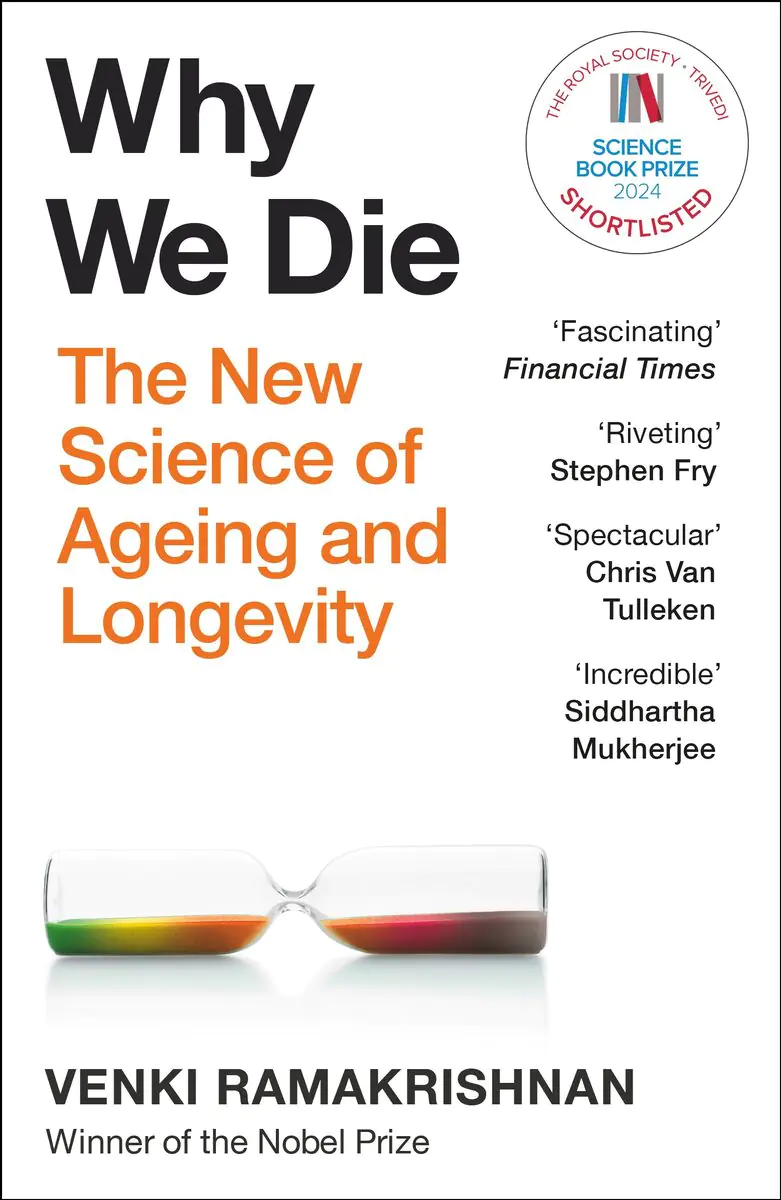
Why We Die: The New Science of Ageing and Longevity
Masz tę lub inne książki?
Sprzedaj je u nas

We are witnessing a groundbreaking transformation in biology as we make significant progress in comprehending the mechanisms behind aging and the varying lifespans of different species. There is growing inquiry into whether it might soon be possible to sidestep disease and greatly extend human life, far beyond our current expectations. "Why We Die" delves into the most recent scientific discoveries about what triggers aging and potential methods for its prevention. Ramakrishnan explores the innovative approaches aimed at lengthening human life by modifying our inherent biology, presenting challenging questions and unveiling astonishing insights. Does death fulfill an essential biological function? What implications will there be if some individuals begin to significantly extend their lives? Moreover, how might we enhance our prospects of a long, healthy, and satisfying existence?
Wybierz stan zużycia:
WIĘCEJ O SKALI
We are witnessing a groundbreaking transformation in biology as we make significant progress in comprehending the mechanisms behind aging and the varying lifespans of different species. There is growing inquiry into whether it might soon be possible to sidestep disease and greatly extend human life, far beyond our current expectations. "Why We Die" delves into the most recent scientific discoveries about what triggers aging and potential methods for its prevention. Ramakrishnan explores the innovative approaches aimed at lengthening human life by modifying our inherent biology, presenting challenging questions and unveiling astonishing insights. Does death fulfill an essential biological function? What implications will there be if some individuals begin to significantly extend their lives? Moreover, how might we enhance our prospects of a long, healthy, and satisfying existence?
Szczegóły
Inne książki: Venki Ramakrishnan

Podobne produkty
Może Ci się spodobać
Inne książki z tej samej kategorii

Napisz opinię o książce i wygraj nagrodę!
W każdym miesiącu wybieramy najlepsze opinie i nagradzamy recenzentów.
Dowiedz się więcejWartość nagród w tym miesiącu
880 zł
Dodaj swoją opinię
Zaloguj się na swoje konto, aby mieć możliwość dodawania opinii.
Czy chcesz zostawić tylko ocenę?
Dodanie samej oceny o książce nie jest brane pod uwagę podczas losowania nagród. By mieć szansę na otrzymanie nagrody musisz napisać opinię o książce.
Już oceniłeś/zrecenzowałeś te książkę w przeszłości.
Możliwe jest dodanie tylko jednej recenzji do każdej z książek.
Sposoby dostawy
Odbiór w punkcie (6)
InPost Paczkomat 24/7

13,99 zł
ORLEN Paczka

12,99 zł




Dostawa na adres (7)
GLS U Ciebie - Kurier

14,99 zł
Kurier DPD

14,99 zł





Sposoby płatności
Płatność z góry
Przedpłata

Zwykły przelew
