Stan książek
Nasze książki są dokładnie sprawdzone i jasno określamy stan każdej z nich.
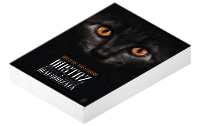

Nowa
Książka nowa.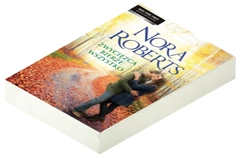
Używany - jak nowa
Niezauważalne lub prawie niezauważalne ślady używania. Książkę ciężko odróżnić od nowej pozycji.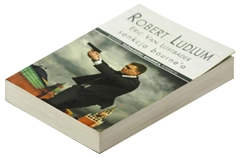
Używany - dobry
Normalne ślady używania wynikające z kartkowania podczas czytania, brak większych uszkodzeń lub zagięć.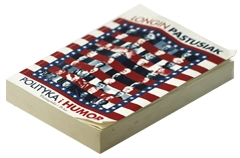
Używany - widoczne ślady użytkowania
zagięte rogi, przyniszczona okładka, książka posiada wszystkie strony.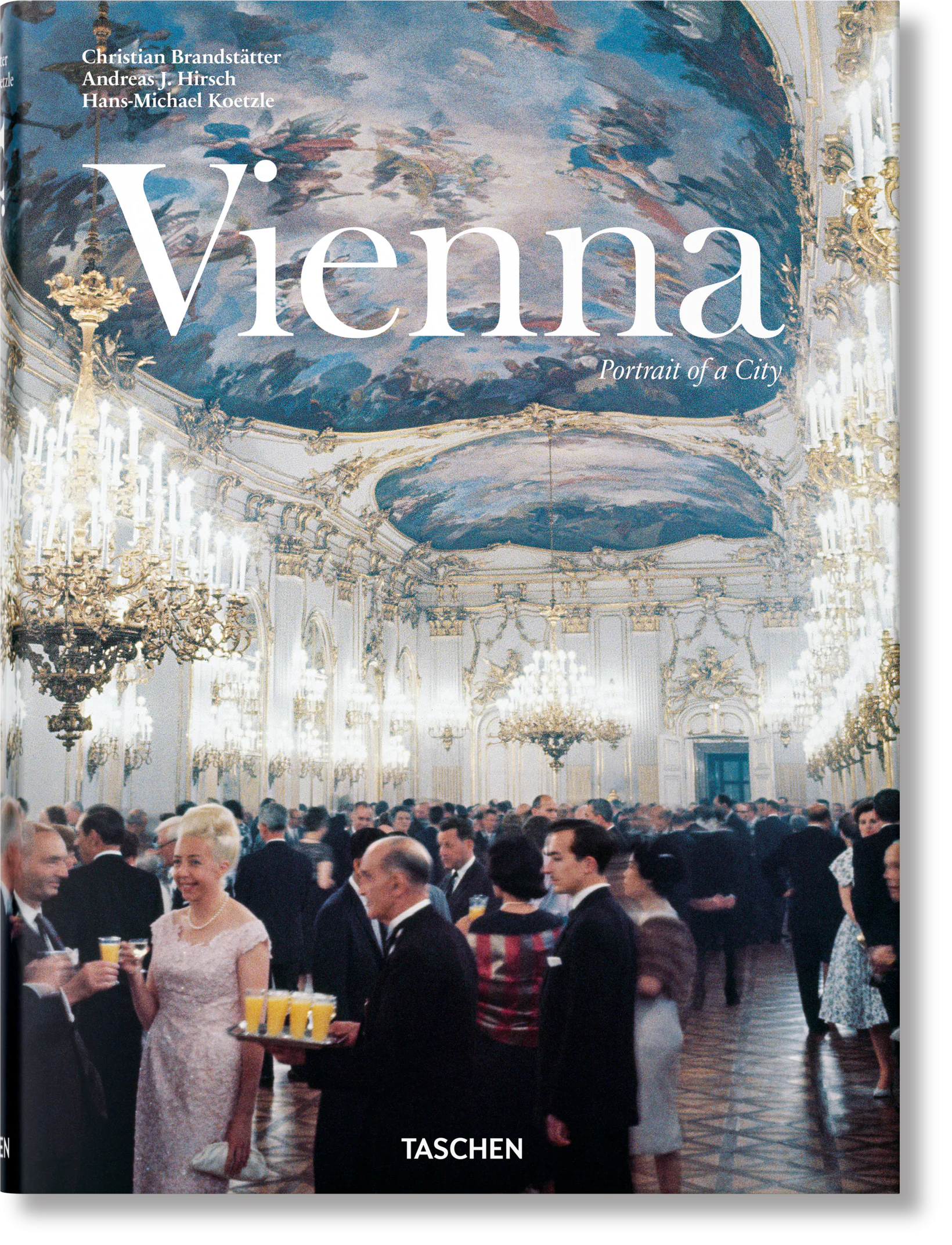
Vienna. Portrait of a City
Masz tę lub inne książki?
Sprzedaj je u nas

Embark on a visual exploration of Vienna's rich and illustrious history, where drama seamlessly intertwines with elegance. This city, once the epicenter of the Austro-Hungarian Empire, is renowned for its majestic palaces and imperial splendor. Yet, beyond the Baroque opulence, Vienna harbors a refined coffee house culture and a deep-rooted culinary tradition, embodying a legacy of both nuanced and bold contributions to music, art, and design—from the melodies of Johann Strauss to the provocative art of Egon Schiele, and from the compositions of Gustav Mahler to the architectural innovations of Josef Hoffmann.The book presents a curated photographic collection spanning 175 years, capturing Vienna's transformation from a regal capital to a thriving modern city. These images provide a visual narrative through Vienna's architectural evolution and the cultural shifts that accompanied it, whether seen in the harmonious urban design of the 19th-century Ringstrasse or the pioneering social experiments of "Red Vienna" during the 1920s under its first social democratic government.Through these compelling photographs, the reader encounters both prominent landmarks and hidden corners of Vienna, alongside the dynamic and sometimes tumultuous flow of its history. The visual journey emphasizes the vibrant cultural awakening at the turn of the century, when avant-garde figures like Gustav Klimt, Egon Schiele, Adolf Loos, and Sigmund Freud transformed the city into a bastion of modernity. The narrative also addresses the tumult of 1934, the rise of the Nazi regime, and the profound impact of the Holocaust on one of the historically most diverse cities.Postwar imagery reflects the intriguing duality of Vienna as portrayed in "The Third Man," depicting a city emerging from ruins while serving as a nexus for espionage. The collection concludes with modern photographs that celebrate the revitalized Vienna of today—an alluring European metropolis where a rich past harmonizes with a vibrant cosmopolitan vibe and contemporary culture.
Wybierz stan zużycia:
WIĘCEJ O SKALI
Embark on a visual exploration of Vienna's rich and illustrious history, where drama seamlessly intertwines with elegance. This city, once the epicenter of the Austro-Hungarian Empire, is renowned for its majestic palaces and imperial splendor. Yet, beyond the Baroque opulence, Vienna harbors a refined coffee house culture and a deep-rooted culinary tradition, embodying a legacy of both nuanced and bold contributions to music, art, and design—from the melodies of Johann Strauss to the provocative art of Egon Schiele, and from the compositions of Gustav Mahler to the architectural innovations of Josef Hoffmann.The book presents a curated photographic collection spanning 175 years, capturing Vienna's transformation from a regal capital to a thriving modern city. These images provide a visual narrative through Vienna's architectural evolution and the cultural shifts that accompanied it, whether seen in the harmonious urban design of the 19th-century Ringstrasse or the pioneering social experiments of "Red Vienna" during the 1920s under its first social democratic government.Through these compelling photographs, the reader encounters both prominent landmarks and hidden corners of Vienna, alongside the dynamic and sometimes tumultuous flow of its history. The visual journey emphasizes the vibrant cultural awakening at the turn of the century, when avant-garde figures like Gustav Klimt, Egon Schiele, Adolf Loos, and Sigmund Freud transformed the city into a bastion of modernity. The narrative also addresses the tumult of 1934, the rise of the Nazi regime, and the profound impact of the Holocaust on one of the historically most diverse cities.Postwar imagery reflects the intriguing duality of Vienna as portrayed in "The Third Man," depicting a city emerging from ruins while serving as a nexus for espionage. The collection concludes with modern photographs that celebrate the revitalized Vienna of today—an alluring European metropolis where a rich past harmonizes with a vibrant cosmopolitan vibe and contemporary culture.
Szczegóły
Inne książki tych autorów

Podobne produkty
Może Ci się spodobać
Inne książki z tej samej kategorii

Napisz opinię o książce i wygraj nagrodę!
W każdym miesiącu wybieramy najlepsze opinie i nagradzamy recenzentów.
Dowiedz się więcejWartość nagród w tym miesiącu
880 zł
Dodaj swoją opinię
Zaloguj się na swoje konto, aby mieć możliwość dodawania opinii.
Czy chcesz zostawić tylko ocenę?
Dodanie samej oceny o książce nie jest brane pod uwagę podczas losowania nagród. By mieć szansę na otrzymanie nagrody musisz napisać opinię o książce.
Już oceniłeś/zrecenzowałeś te książkę w przeszłości.
Możliwe jest dodanie tylko jednej recenzji do każdej z książek.
Sposoby dostawy
Odbiór w punkcie (6)
InPost Paczkomat 24/7

14,99 zł
ORLEN Paczka

15,99 zł




Dostawa na adres (7)
GLS U Ciebie - Kurier

14,99 zł
Kurier DPD

14,99 zł





Sposoby płatności
Płatność z góry
Przedpłata

Zwykły przelew
