Stan książek
Nasze książki są dokładnie sprawdzone i jasno określamy stan każdej z nich.


Nowa
Książka nowa.
Używany - jak nowa
Niezauważalne lub prawie niezauważalne ślady używania. Książkę ciężko odróżnić od nowej pozycji.
Używany - dobry
Normalne ślady używania wynikające z kartkowania podczas czytania, brak większych uszkodzeń lub zagięć.
Używany - widoczne ślady użytkowania
zagięte rogi, przyniszczona okładka, książka posiada wszystkie strony.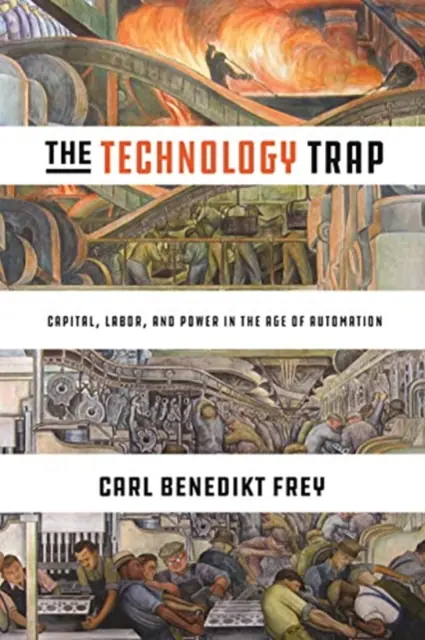
The Technology Trap: Capital, Labor, and Power in the Age of Automation
Masz tę lub inne książki?
Sprzedaj je u nas

From the dawn of the Industrial Revolution to the modern era of artificial intelligence, "The Technology Trap" explores the sweeping impacts of technological advancements on the economy and political dynamics within society. Carl Benedikt Frey delves into how the Industrial Revolution, despite generating significant wealth and prosperity over time, initially brought severe hardships to many people. Middle-income jobs dwindled, wages flatlined, labor's share of income declined, while profits soared and economic inequality escalated. Frey notes a similar pattern in today's era of automation, which began with the Computer Revolution. While the Industrial Revolution eventually delivered substantial societal benefits, Frey posits that the outcome of artificial intelligence hinges on the management of its short-term impacts. In the 19th century, workers often reacted violently to job losses due to machinery, evident in the Luddite uprisings and machinery riots across Europe and China. Although today's middle class hasn't turned to violence, their discontent has fueled rising populism and societal divisions. As middle-class jobs remain threatened, there's no guarantee that public sentiment toward technology will remain positive. While the Industrial Revolution was pivotal, its consequences were not immediately understood. "The Technology Trap" suggests that by examining past lessons, we can better navigate our current technological transformation.
Wybierz stan zużycia:
WIĘCEJ O SKALI
From the dawn of the Industrial Revolution to the modern era of artificial intelligence, "The Technology Trap" explores the sweeping impacts of technological advancements on the economy and political dynamics within society. Carl Benedikt Frey delves into how the Industrial Revolution, despite generating significant wealth and prosperity over time, initially brought severe hardships to many people. Middle-income jobs dwindled, wages flatlined, labor's share of income declined, while profits soared and economic inequality escalated. Frey notes a similar pattern in today's era of automation, which began with the Computer Revolution. While the Industrial Revolution eventually delivered substantial societal benefits, Frey posits that the outcome of artificial intelligence hinges on the management of its short-term impacts. In the 19th century, workers often reacted violently to job losses due to machinery, evident in the Luddite uprisings and machinery riots across Europe and China. Although today's middle class hasn't turned to violence, their discontent has fueled rising populism and societal divisions. As middle-class jobs remain threatened, there's no guarantee that public sentiment toward technology will remain positive. While the Industrial Revolution was pivotal, its consequences were not immediately understood. "The Technology Trap" suggests that by examining past lessons, we can better navigate our current technological transformation.
Szczegóły
Inne książki: Carl Benedikt Frey

Podobne produkty
Może Ci się spodobać
Inne książki z tej samej kategorii

Napisz opinię o książce i wygraj nagrodę!
W każdym miesiącu wybieramy najlepsze opinie i nagradzamy recenzentów.
Dowiedz się więcejWartość nagród w tym miesiącu
880 zł
Dodaj swoją opinię
Zaloguj się na swoje konto, aby mieć możliwość dodawania opinii.
Czy chcesz zostawić tylko ocenę?
Dodanie samej oceny o książce nie jest brane pod uwagę podczas losowania nagród. By mieć szansę na otrzymanie nagrody musisz napisać opinię o książce.
Już oceniłeś/zrecenzowałeś te książkę w przeszłości.
Możliwe jest dodanie tylko jednej recenzji do każdej z książek.
Sposoby dostawy
Odbiór w punkcie (7)
InPost Paczkomat 24/7

14,99 zł
DPD Pickup Automaty i Punkty Odbioru

11,99 zł





Dostawa na adres (7)
GLS U Ciebie - Kurier

14,99 zł
Kurier DPD

14,99 zł





Sposoby płatności
Płatność z góry
Przedpłata

Zwykły przelew
