Stan książek
Nasze książki są dokładnie sprawdzone i jasno określamy stan każdej z nich.
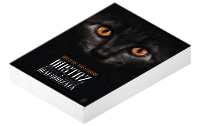

Nowa
Książka nowa.
Używany - jak nowa
Niezauważalne lub prawie niezauważalne ślady używania. Książkę ciężko odróżnić od nowej pozycji.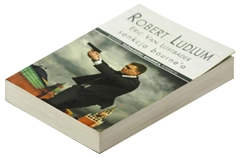
Używany - dobry
Normalne ślady używania wynikające z kartkowania podczas czytania, brak większych uszkodzeń lub zagięć.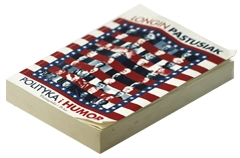
Używany - widoczne ślady użytkowania
zagięte rogi, przyniszczona okładka, książka posiada wszystkie strony.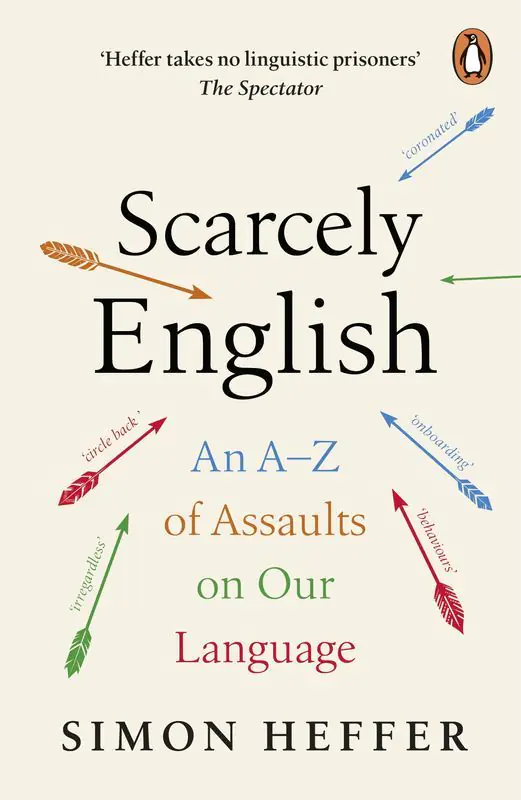
Scarcely English wer. angielska
Masz tę lub inne książki?
Sprzedaj je u nas

The history of the English language is marked by constant evolution, often driven by practical considerations. Recently, however, the rise of social media and the rapid reach of the internet have posed significant challenges. In today's digital age, where 'web' itself has transformed in meaning, anyone can publish their thoughts unfiltered and unchecked, leading to potential pitfalls for the language. Simon Heffer's "A to Z" highlights common confusions like mixing 'flaunt' with 'flout' and 'imply' with 'infer', as well as awkward English idioms such as 'fed up of' and phrases like 'focus around'. It also criticizes the excessive use of terms like '-athon' for prolonged activities and '-gate' for scandals, and it takes issue with awkward neologisms such as 'infotainment' and 'funwashing'. It laments the casual response 'I'm good' to 'How are you?', which many purists find disconcerting. Comprehensive and infused with wry humor, Heffer's work serves as both a critique of modern, careless English and an appeal for precision, clarity, and grace in communication.
Wybierz stan zużycia:
WIĘCEJ O SKALI
The history of the English language is marked by constant evolution, often driven by practical considerations. Recently, however, the rise of social media and the rapid reach of the internet have posed significant challenges. In today's digital age, where 'web' itself has transformed in meaning, anyone can publish their thoughts unfiltered and unchecked, leading to potential pitfalls for the language. Simon Heffer's "A to Z" highlights common confusions like mixing 'flaunt' with 'flout' and 'imply' with 'infer', as well as awkward English idioms such as 'fed up of' and phrases like 'focus around'. It also criticizes the excessive use of terms like '-athon' for prolonged activities and '-gate' for scandals, and it takes issue with awkward neologisms such as 'infotainment' and 'funwashing'. It laments the casual response 'I'm good' to 'How are you?', which many purists find disconcerting. Comprehensive and infused with wry humor, Heffer's work serves as both a critique of modern, careless English and an appeal for precision, clarity, and grace in communication.
Szczegóły
Inne książki: Simon Heffer

Podobne produkty
Może Ci się spodobać
Inne książki z tej samej kategorii

Napisz opinię o książce i wygraj nagrodę!
W każdym miesiącu wybieramy najlepsze opinie i nagradzamy recenzentów.
Dowiedz się więcejWartość nagród w tym miesiącu
880 zł
Dodaj swoją opinię
Zaloguj się na swoje konto, aby mieć możliwość dodawania opinii.
Czy chcesz zostawić tylko ocenę?
Dodanie samej oceny o książce nie jest brane pod uwagę podczas losowania nagród. By mieć szansę na otrzymanie nagrody musisz napisać opinię o książce.
Już oceniłeś/zrecenzowałeś te książkę w przeszłości.
Możliwe jest dodanie tylko jednej recenzji do każdej z książek.
Sposoby dostawy
Odbiór w punkcie (6)
InPost Paczkomat 24/7

13,99 zł
ORLEN Paczka

12,99 zł




Dostawa na adres (7)
GLS U Ciebie - Kurier

14,99 zł
Kurier DPD

14,99 zł





Sposoby płatności
Płatność z góry
Przedpłata

Zwykły przelew
