Stan książek
Nasze książki są dokładnie sprawdzone i jasno określamy stan każdej z nich.

Nowa
Książka nowa.
Używany - jak nowa
Niezauważalne lub prawie niezauważalne ślady używania. Książkę ciężko odróżnić od nowej pozycji.
Używany - dobry
Normalne ślady używania wynikające z kartkowania podczas czytania, brak większych uszkodzeń lub zagięć.
Używany - widoczne ślady użytkowania
zagięte rogi, przyniszczona okładka, książka posiada wszystkie strony.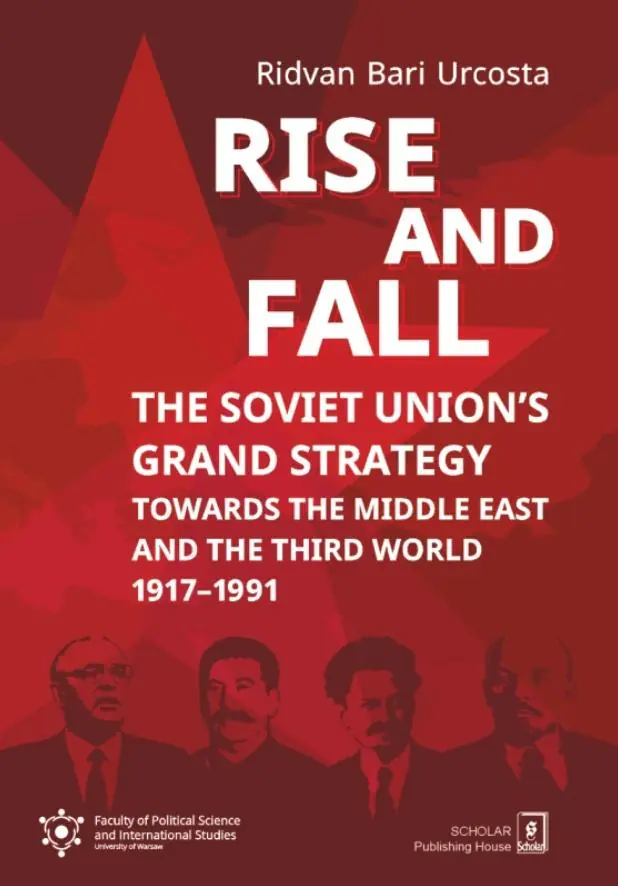
Rise and fall: The Soviet Unions Grand Strategy
Masz tę lub inne książki?
Sprzedaj je u nas

From the inception of the Soviet Union in 1917, under Lenin’s vision for a worldwide revolution, to Gorbachev's tactical retreat from the Global South, the USSR perceived the Middle East as a crucial battleground for ideological battles and geopolitical clout. This book offers a detailed historical and analytical exploration of the Soviet Union's grand strategy concerning the Middle East, chronicling its ascent, peak, and eventual decline from 1917 to 1991. The research draws from a wealth of archival material from Poland, Ukraine, NATO, and other Soviet-era records, employing a multidisciplinary lens that combines strategic studies, international relations, and Cold War history. Through examining the ideological, geopolitical, military, and economic facets of Soviet interactions in the region, the study sheds light on the persistent relevance of this history for Russia's modern-day engagements, made more significant by the annexation of Crimea in 2014 and the invasion of Ukraine in 2022.Dr. Ridvan Bari Urcosta, a lecturer at the University of Warsaw in the Department of Strategic Studies and International Security, completed his PhD in Security Studies there in 2022. His dissertation delved into the Soviet Union's overarching strategy towards the Middle East and the Global South, dissecting both its geopolitical and ideological elements. Among the courses he instructs are 'Russia from the Middle East to the Global South', 'Future Warfare', 'European Institutions', and 'International Military Relations'. In his professional capacity, Dr. Urcosta is also an analyst with Geopolitical Futures, formerly known as Stratfor, a U.S.-based think tank focused on the Eurasian region. Between March and July 2025, he was a research fellow at the NATO Defence College in Rome, where his project centered on Singularity Warfare concepts and the application of advanced technologies like drones and AI in the Russo-Ukrainian conflict. Additionally, he served four years with the Polish think tank 'Strategy and Future'. Dr. Urcosta hails from Abkhazia, Georgia.
Wybierz stan zużycia:
WIĘCEJ O SKALI
From the inception of the Soviet Union in 1917, under Lenin’s vision for a worldwide revolution, to Gorbachev's tactical retreat from the Global South, the USSR perceived the Middle East as a crucial battleground for ideological battles and geopolitical clout. This book offers a detailed historical and analytical exploration of the Soviet Union's grand strategy concerning the Middle East, chronicling its ascent, peak, and eventual decline from 1917 to 1991. The research draws from a wealth of archival material from Poland, Ukraine, NATO, and other Soviet-era records, employing a multidisciplinary lens that combines strategic studies, international relations, and Cold War history. Through examining the ideological, geopolitical, military, and economic facets of Soviet interactions in the region, the study sheds light on the persistent relevance of this history for Russia's modern-day engagements, made more significant by the annexation of Crimea in 2014 and the invasion of Ukraine in 2022.Dr. Ridvan Bari Urcosta, a lecturer at the University of Warsaw in the Department of Strategic Studies and International Security, completed his PhD in Security Studies there in 2022. His dissertation delved into the Soviet Union's overarching strategy towards the Middle East and the Global South, dissecting both its geopolitical and ideological elements. Among the courses he instructs are 'Russia from the Middle East to the Global South', 'Future Warfare', 'European Institutions', and 'International Military Relations'. In his professional capacity, Dr. Urcosta is also an analyst with Geopolitical Futures, formerly known as Stratfor, a U.S.-based think tank focused on the Eurasian region. Between March and July 2025, he was a research fellow at the NATO Defence College in Rome, where his project centered on Singularity Warfare concepts and the application of advanced technologies like drones and AI in the Russo-Ukrainian conflict. Additionally, he served four years with the Polish think tank 'Strategy and Future'. Dr. Urcosta hails from Abkhazia, Georgia.
Szczegóły
Inne książki tych autorów

Podobne produkty
Może Ci się spodobać
Inne książki z tej samej kategorii

Napisz opinię o książce i wygraj nagrodę!
W każdym miesiącu wybieramy najlepsze opinie i nagradzamy recenzentów.
Dowiedz się więcejWartość nagród w tym miesiącu
880 zł
Dodaj swoją opinię
Zaloguj się na swoje konto, aby mieć możliwość dodawania opinii.
Czy chcesz zostawić tylko ocenę?
Dodanie samej oceny o książce nie jest brane pod uwagę podczas losowania nagród. By mieć szansę na otrzymanie nagrody musisz napisać opinię o książce.
Już oceniłeś/zrecenzowałeś te książkę w przeszłości.
Możliwe jest dodanie tylko jednej recenzji do każdej z książek.
Sposoby dostawy
Odbiór w punkcie (6)
InPost Paczkomat 24/7

13,99 zł
ORLEN Paczka

12,99 zł



Dostawa na adres (7)
GLS U Ciebie - Kurier

14,99 zł
Kurier DPD

14,99 zł





Sposoby płatności
Płatność z góry
Przedpłata

Zwykły przelew
