Stan książek
Nasze książki są dokładnie sprawdzone i jasno określamy stan każdej z nich.

Nowa
Książka nowa.
Używany - jak nowa
Niezauważalne lub prawie niezauważalne ślady używania. Książkę ciężko odróżnić od nowej pozycji.
Używany - dobry
Normalne ślady używania wynikające z kartkowania podczas czytania, brak większych uszkodzeń lub zagięć.
Używany - widoczne ślady użytkowania
zagięte rogi, przyniszczona okładka, książka posiada wszystkie strony.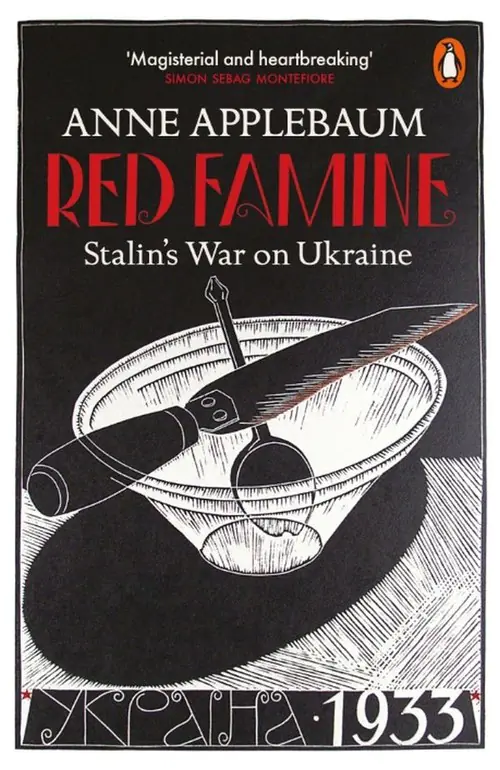
Red Famine. Stalin's War on Ukraine
Masz tę lub inne książki?
Sprzedaj je u nas

The book "Red Famine," winner of the Duff Cooper and Lionel Gelber prizes, delves into the tragic events of 1932-33 when nearly four million Ukrainians perished from starvation, an atrocity orchestrated by depriving them of food. This period stands as one of the most harrowing episodes in twentieth-century history. With unmatched depth and authority, the book explores the circumstances that led to this tragedy, identifies those culpable, and examines the lasting consequences. Drawing on a wealth of archival resources and firsthand accounts, newly accessible after the Soviet Union's fall, alongside research from Ukrainian scholars worldwide, the book offers a comprehensive narrative of these horrific events. It includes personal stories from famine survivors, illustrating the desperation and madness induced by hunger. Additionally, it details how the Soviet regime manipulated propaganda to pit citizens against each other in efforts to eradicate perceived 'anti-revolutionary' elements, while also highlighting those heroic individuals who endeavored to alleviate the widespread suffering.Following the famine, Ukraine's cultural and political leadership suffered attacks, culminating in the denial of the famine's occurrence. Census data was manipulated, and collective memory was forcibly suppressed. Some Western journalists uncritically accepted Soviet propaganda, whereas others resisted, facing great personal risk. The Soviet regime's aim was not only to quash Ukraine's national identity but also to erase its true history, along with millions of its people. "Red Famine" stands as a significant achievement in reclaiming these memories and this slice of history. At a time of heightened tensions between Russia and Ukraine, the book underscores how the past continues to influence present dynamics.
Wybierz stan zużycia:
WIĘCEJ O SKALI
The book "Red Famine," winner of the Duff Cooper and Lionel Gelber prizes, delves into the tragic events of 1932-33 when nearly four million Ukrainians perished from starvation, an atrocity orchestrated by depriving them of food. This period stands as one of the most harrowing episodes in twentieth-century history. With unmatched depth and authority, the book explores the circumstances that led to this tragedy, identifies those culpable, and examines the lasting consequences. Drawing on a wealth of archival resources and firsthand accounts, newly accessible after the Soviet Union's fall, alongside research from Ukrainian scholars worldwide, the book offers a comprehensive narrative of these horrific events. It includes personal stories from famine survivors, illustrating the desperation and madness induced by hunger. Additionally, it details how the Soviet regime manipulated propaganda to pit citizens against each other in efforts to eradicate perceived 'anti-revolutionary' elements, while also highlighting those heroic individuals who endeavored to alleviate the widespread suffering.Following the famine, Ukraine's cultural and political leadership suffered attacks, culminating in the denial of the famine's occurrence. Census data was manipulated, and collective memory was forcibly suppressed. Some Western journalists uncritically accepted Soviet propaganda, whereas others resisted, facing great personal risk. The Soviet regime's aim was not only to quash Ukraine's national identity but also to erase its true history, along with millions of its people. "Red Famine" stands as a significant achievement in reclaiming these memories and this slice of history. At a time of heightened tensions between Russia and Ukraine, the book underscores how the past continues to influence present dynamics.
Szczegóły
21.81 zł
widoczne ślady używania
-
21.81 zł
widoczne ślady używania

Inne książki: Anne Applebaum

Podobne produkty
Może Ci się spodobać
Inne książki z tej samej kategorii

Napisz opinię o książce i wygraj nagrodę!
W każdym miesiącu wybieramy najlepsze opinie i nagradzamy recenzentów.
Dowiedz się więcejWartość nagród w tym miesiącu
880 zł
Dodaj swoją opinię
Zaloguj się na swoje konto, aby mieć możliwość dodawania opinii.
Czy chcesz zostawić tylko ocenę?
Dodanie samej oceny o książce nie jest brane pod uwagę podczas losowania nagród. By mieć szansę na otrzymanie nagrody musisz napisać opinię o książce.
Już oceniłeś/zrecenzowałeś te książkę w przeszłości.
Możliwe jest dodanie tylko jednej recenzji do każdej z książek.
Sposoby dostawy
Odbiór w punkcie (6)
InPost Paczkomat 24/7

13,99 zł
ORLEN Paczka

12,99 zł




Dostawa na adres (7)
GLS U Ciebie - Kurier

14,99 zł
Kurier DPD

14,99 zł





Sposoby płatności
Płatność z góry
Przedpłata

Zwykły przelew
