Stan książek
Nasze książki są dokładnie sprawdzone i jasno określamy stan każdej z nich.

Nowa
Książka nowa.
Używany - jak nowa
Niezauważalne lub prawie niezauważalne ślady używania. Książkę ciężko odróżnić od nowej pozycji.
Używany - dobry
Normalne ślady używania wynikające z kartkowania podczas czytania, brak większych uszkodzeń lub zagięć.
Używany - widoczne ślady użytkowania
zagięte rogi, przyniszczona okładka, książka posiada wszystkie strony.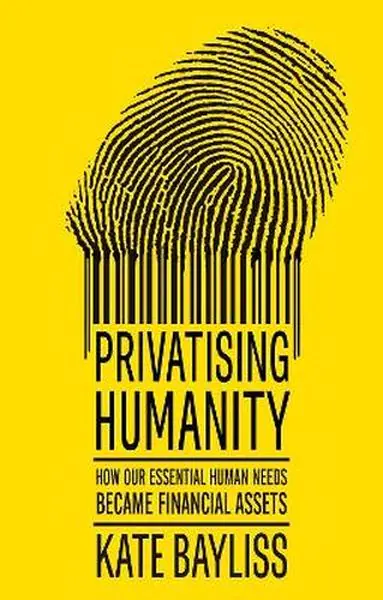
Privatising humanity. How our essential human needs became financial assets
Masz tę lub inne książki?
Sprzedaj je u nas

Kate Bayliss provides a compelling examination of how financial interests transform essential human needs into investment assets. We find ourselves in an age where financial exploitation is increasing at an unprecedented pace. Armed with substantial resources, global financiers are continuously searching for new avenues to turn a profit. Every aspect of our lives becomes a potential target for monetization. In her work "Privatising Humanity," Bayliss reveals how prosperous investors, particularly asset managers, identify basic services as opportunities for profit. These investments rely on shareholder returns, which are financed by us—the consumers and taxpayers—who are just trying to secure basic necessities such as water, energy, and housing. We are left with little choice but to contribute to these systems, which often yield significant gains for investors while creating inefficiencies and exacerbating social problems. By delving into the water, energy, and housing sectors in the UK, Bayliss highlights the damaging effects of this approach, which is fueling growing inequality.
Wybierz stan zużycia:
WIĘCEJ O SKALI
Kate Bayliss provides a compelling examination of how financial interests transform essential human needs into investment assets. We find ourselves in an age where financial exploitation is increasing at an unprecedented pace. Armed with substantial resources, global financiers are continuously searching for new avenues to turn a profit. Every aspect of our lives becomes a potential target for monetization. In her work "Privatising Humanity," Bayliss reveals how prosperous investors, particularly asset managers, identify basic services as opportunities for profit. These investments rely on shareholder returns, which are financed by us—the consumers and taxpayers—who are just trying to secure basic necessities such as water, energy, and housing. We are left with little choice but to contribute to these systems, which often yield significant gains for investors while creating inefficiencies and exacerbating social problems. By delving into the water, energy, and housing sectors in the UK, Bayliss highlights the damaging effects of this approach, which is fueling growing inequality.
Szczegóły
Inne książki: Kate Bayliss

Podobne produkty
Może Ci się spodobać
Inne książki z tej samej kategorii

Napisz opinię o książce i wygraj nagrodę!
W każdym miesiącu wybieramy najlepsze opinie i nagradzamy recenzentów.
Dowiedz się więcejWartość nagród w tym miesiącu
880 zł
Dodaj swoją opinię
Zaloguj się na swoje konto, aby mieć możliwość dodawania opinii.
Czy chcesz zostawić tylko ocenę?
Dodanie samej oceny o książce nie jest brane pod uwagę podczas losowania nagród. By mieć szansę na otrzymanie nagrody musisz napisać opinię o książce.
Już oceniłeś/zrecenzowałeś te książkę w przeszłości.
Możliwe jest dodanie tylko jednej recenzji do każdej z książek.
Sposoby dostawy
Odbiór w punkcie (7)
InPost Paczkomat 24/7

14,99 zł
DPD Pickup Automaty i Punkty Odbioru

10,49 zł





Dostawa na adres (7)
GLS U Ciebie - Kurier

14,99 zł
Kurier DPD

14,99 zł





Sposoby płatności
Płatność z góry
Przedpłata

Zwykły przelew
