Stan książek
Nasze książki są dokładnie sprawdzone i jasno określamy stan każdej z nich.


Nowa
Książka nowa.
Używany - jak nowa
Niezauważalne lub prawie niezauważalne ślady używania. Książkę ciężko odróżnić od nowej pozycji.
Używany - dobry
Normalne ślady używania wynikające z kartkowania podczas czytania, brak większych uszkodzeń lub zagięć.
Używany - widoczne ślady użytkowania
zagięte rogi, przyniszczona okładka, książka posiada wszystkie strony.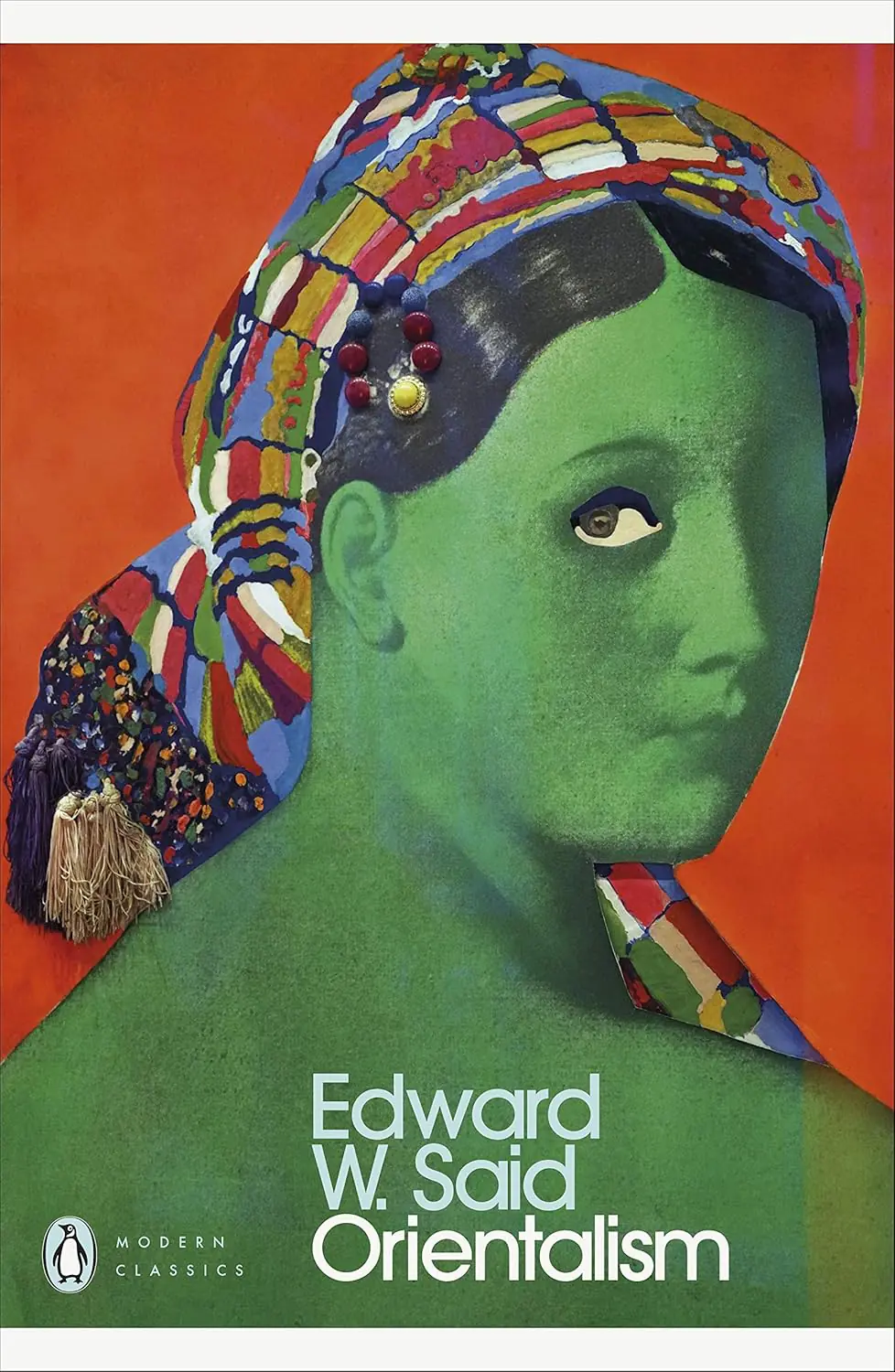
Orientalism
Masz tę lub inne książki?
Sprzedaj je u nas

Since its publication, Edward W. Said's "Orientalism" has been instrumental in shaping how we view colonialism and imperial dominance. This edition from Penguin Modern Classics features a preface penned by Said shortly before he passed away in 2003. Acclaimed for its depth and insight, the book delves into the historical and cultural perspectives of the West towards the East. Said explores orientalism as a significant European ideological construct, one that served authors, philosophers, and colonial officials in navigating the perceived 'otherness' of Eastern societies, their traditions, and beliefs. By examining works by Homer, Nerval, Flaubert, Disraeli, and Kipling, Said reveals how their portrayals have significantly influenced the Western perception of the Orient as both romantic and exotic. Through his lens as a Palestinian Arab in the West, Said critiques how these narratives mirror Europe's imperial ambitions and ingrained racism.
Wybierz stan zużycia:
WIĘCEJ O SKALI
Since its publication, Edward W. Said's "Orientalism" has been instrumental in shaping how we view colonialism and imperial dominance. This edition from Penguin Modern Classics features a preface penned by Said shortly before he passed away in 2003. Acclaimed for its depth and insight, the book delves into the historical and cultural perspectives of the West towards the East. Said explores orientalism as a significant European ideological construct, one that served authors, philosophers, and colonial officials in navigating the perceived 'otherness' of Eastern societies, their traditions, and beliefs. By examining works by Homer, Nerval, Flaubert, Disraeli, and Kipling, Said reveals how their portrayals have significantly influenced the Western perception of the Orient as both romantic and exotic. Through his lens as a Palestinian Arab in the West, Said critiques how these narratives mirror Europe's imperial ambitions and ingrained racism.
Szczegóły
Inne książki: Edward W. Said

Podobne produkty
Może Ci się spodobać
Inne książki z tej samej kategorii

Napisz opinię o książce i wygraj nagrodę!
W każdym miesiącu wybieramy najlepsze opinie i nagradzamy recenzentów.
Dowiedz się więcejWartość nagród w tym miesiącu
880 zł
Dodaj swoją opinię
Zaloguj się na swoje konto, aby mieć możliwość dodawania opinii.
Czy chcesz zostawić tylko ocenę?
Dodanie samej oceny o książce nie jest brane pod uwagę podczas losowania nagród. By mieć szansę na otrzymanie nagrody musisz napisać opinię o książce.
Już oceniłeś/zrecenzowałeś te książkę w przeszłości.
Możliwe jest dodanie tylko jednej recenzji do każdej z książek.
Sposoby dostawy
Odbiór w punkcie (6)
InPost Paczkomat 24/7

13,99 zł
ORLEN Paczka

12,99 zł




Dostawa na adres (7)
GLS U Ciebie - Kurier

14,99 zł
Kurier DPD

14,99 zł





Sposoby płatności
Płatność z góry
Przedpłata

Zwykły przelew
