Stan książek
Nasze książki są dokładnie sprawdzone i jasno określamy stan każdej z nich.

Nowa
Książka nowa.
Używany - jak nowa
Niezauważalne lub prawie niezauważalne ślady używania. Książkę ciężko odróżnić od nowej pozycji.
Używany - dobry
Normalne ślady używania wynikające z kartkowania podczas czytania, brak większych uszkodzeń lub zagięć.
Używany - widoczne ślady użytkowania
zagięte rogi, przyniszczona okładka, książka posiada wszystkie strony.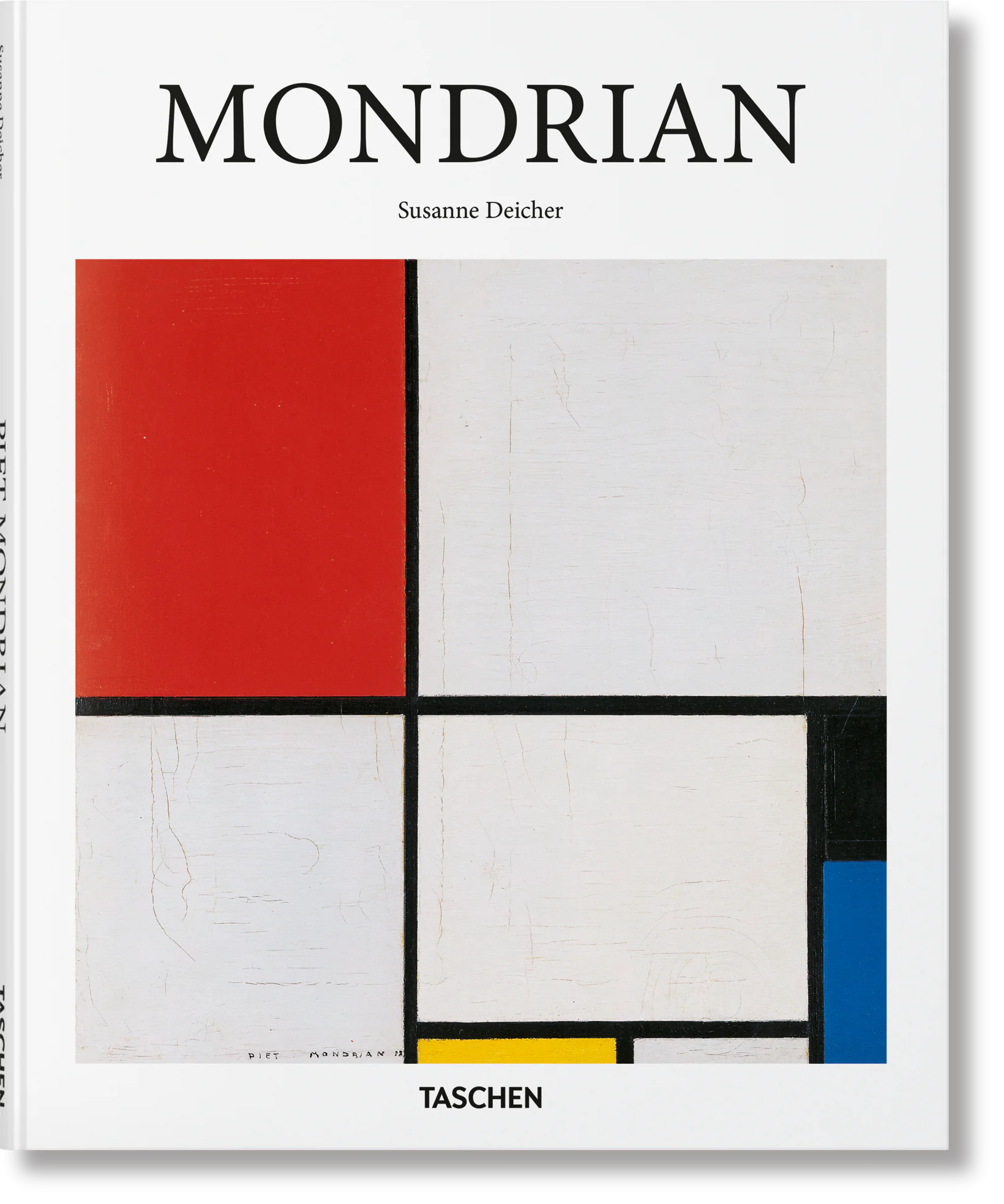
Mondrian
Masz tę lub inne książki?
Sprzedaj je u nas

Renowned for his role in the international avant-garde movement, Piet Mondrian (1872–1944) stands out as both a remarkable painter and an influential art theorist whose impact is still felt today. He originated the concept of "Neo-plasticism," focusing on a minimalistic painting style characterized by the use of primary colors laid over a grid formed by black vertical and horizontal lines on a white background. Mondrian envisioned that such a distilled form of art could contribute to a world where traditional forms of art were unnecessary, existing solely for the embodiment of "beauty."Throughout his career, Mondrian drew inspiration from the bustling urban landscapes of cities like Amsterdam, Paris, London, and New York, as well as from the vibrant rhythms of modern music genres such as jazz. In 1917, he co-founded De Stijl, a movement and magazine that rallied artists around the idea of purely geometric compositions made up of horizontal and vertical elements. This engaging book offers an insight into Mondrian's innovative and unique body of work, which continues to influence various creative fields, from fashion and architecture to design. His legacy can be seen in designs ranging from album covers by The White Stripes to the dresses of Yves Saint Laurent.
Wybierz stan zużycia:
WIĘCEJ O SKALI
Renowned for his role in the international avant-garde movement, Piet Mondrian (1872–1944) stands out as both a remarkable painter and an influential art theorist whose impact is still felt today. He originated the concept of "Neo-plasticism," focusing on a minimalistic painting style characterized by the use of primary colors laid over a grid formed by black vertical and horizontal lines on a white background. Mondrian envisioned that such a distilled form of art could contribute to a world where traditional forms of art were unnecessary, existing solely for the embodiment of "beauty."Throughout his career, Mondrian drew inspiration from the bustling urban landscapes of cities like Amsterdam, Paris, London, and New York, as well as from the vibrant rhythms of modern music genres such as jazz. In 1917, he co-founded De Stijl, a movement and magazine that rallied artists around the idea of purely geometric compositions made up of horizontal and vertical elements. This engaging book offers an insight into Mondrian's innovative and unique body of work, which continues to influence various creative fields, from fashion and architecture to design. His legacy can be seen in designs ranging from album covers by The White Stripes to the dresses of Yves Saint Laurent.
Szczegóły
Inne książki: Susanne Deicher

Podobne produkty
Może Ci się spodobać
Inne książki z tej samej kategorii

Napisz opinię o książce i wygraj nagrodę!
W każdym miesiącu wybieramy najlepsze opinie i nagradzamy recenzentów.
Dowiedz się więcejWartość nagród w tym miesiącu
880 zł
Dodaj swoją opinię
Zaloguj się na swoje konto, aby mieć możliwość dodawania opinii.
Czy chcesz zostawić tylko ocenę?
Dodanie samej oceny o książce nie jest brane pod uwagę podczas losowania nagród. By mieć szansę na otrzymanie nagrody musisz napisać opinię o książce.
Już oceniłeś/zrecenzowałeś te książkę w przeszłości.
Możliwe jest dodanie tylko jednej recenzji do każdej z książek.
Sposoby dostawy
Odbiór w punkcie (6)
InPost Paczkomat 24/7

13,99 zł
ORLEN Paczka

12,99 zł




Dostawa na adres (7)
GLS U Ciebie - Kurier

14,99 zł
Kurier DPD

14,99 zł





Sposoby płatności
Płatność z góry
Przedpłata

Zwykły przelew
