Stan książek
Nasze książki są dokładnie sprawdzone i jasno określamy stan każdej z nich.


Nowa
Książka nowa.
Używany - jak nowa
Niezauważalne lub prawie niezauważalne ślady używania. Książkę ciężko odróżnić od nowej pozycji.
Używany - dobry
Normalne ślady używania wynikające z kartkowania podczas czytania, brak większych uszkodzeń lub zagięć.
Używany - widoczne ślady użytkowania
zagięte rogi, przyniszczona okładka, książka posiada wszystkie strony.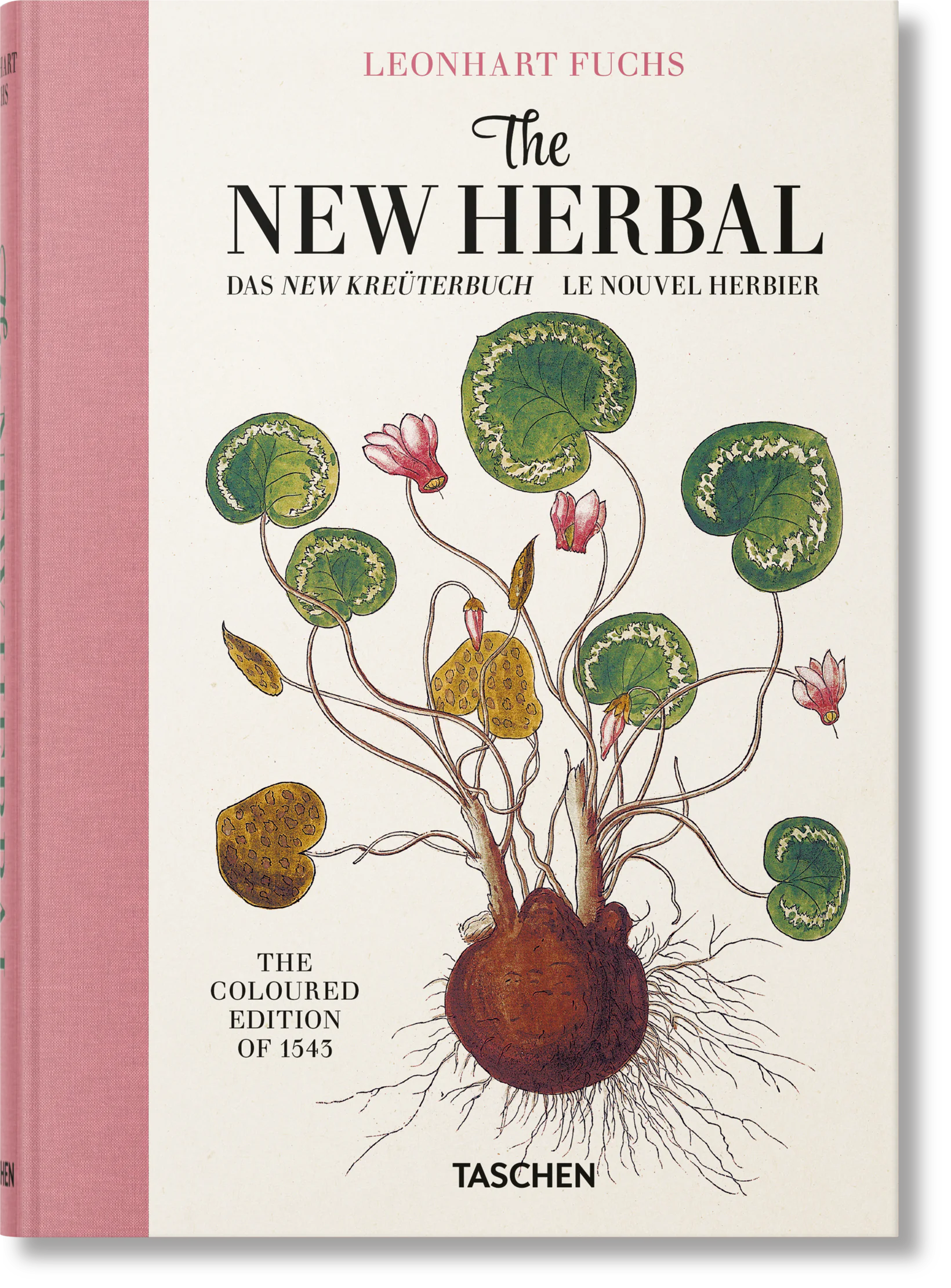
Leonhart Fuchs. The New Herbal
Masz tę lub inne książki?
Sprzedaj je u nas

Leonhart Fuchs (1501–1566) remains a pivotal figure in modern botany, with his legacy enduring through the flower and color named Fuchsia after him. In 1543, Fuchs authored the New Herbal, an innovative work that combined his extensive botanical expertise with cutting-edge medical research. This catalog showcased around 500 plant species along with their medicinal uses. Beyond serving as a reliable scientific source, the New Herbal gained recognition for the exceptional detail and quality of its illustrations. Each plant appeared alongside comprehensive essays detailing its characteristics, origins, and health benefits, complemented by carefully crafted woodcut images. These illustrations enhanced the accuracy of species identification, establishing new benchmarks for botanical literature. Additionally, the New Herbal provided some of the first documented visual representations of plants from the New World, such as tobacco, maize, kidney bean, and cactus. The edition is based on Fuchs’s personal copy, which remains remarkably well-preserved after four and a half centuries. This volume appeals not only to historians of medicine and art but also to gardening enthusiasts and those interested in herbal remedies. It features more than 500 exquisite illustrations and includes an insightful essay on the history of medicinal herbs.
Wybierz stan zużycia:
WIĘCEJ O SKALI
Leonhart Fuchs (1501–1566) remains a pivotal figure in modern botany, with his legacy enduring through the flower and color named Fuchsia after him. In 1543, Fuchs authored the New Herbal, an innovative work that combined his extensive botanical expertise with cutting-edge medical research. This catalog showcased around 500 plant species along with their medicinal uses. Beyond serving as a reliable scientific source, the New Herbal gained recognition for the exceptional detail and quality of its illustrations. Each plant appeared alongside comprehensive essays detailing its characteristics, origins, and health benefits, complemented by carefully crafted woodcut images. These illustrations enhanced the accuracy of species identification, establishing new benchmarks for botanical literature. Additionally, the New Herbal provided some of the first documented visual representations of plants from the New World, such as tobacco, maize, kidney bean, and cactus. The edition is based on Fuchs’s personal copy, which remains remarkably well-preserved after four and a half centuries. This volume appeals not only to historians of medicine and art but also to gardening enthusiasts and those interested in herbal remedies. It features more than 500 exquisite illustrations and includes an insightful essay on the history of medicinal herbs.
Szczegóły
Inne książki: Werner Dressendörfer

Podobne produkty
Może Ci się spodobać
Inne książki z tej samej kategorii

Napisz opinię o książce i wygraj nagrodę!
W każdym miesiącu wybieramy najlepsze opinie i nagradzamy recenzentów.
Dowiedz się więcejWartość nagród w tym miesiącu
880 zł
Dodaj swoją opinię
Zaloguj się na swoje konto, aby mieć możliwość dodawania opinii.
Czy chcesz zostawić tylko ocenę?
Dodanie samej oceny o książce nie jest brane pod uwagę podczas losowania nagród. By mieć szansę na otrzymanie nagrody musisz napisać opinię o książce.
Już oceniłeś/zrecenzowałeś te książkę w przeszłości.
Możliwe jest dodanie tylko jednej recenzji do każdej z książek.
Sposoby dostawy
Odbiór w punkcie (7)
InPost Paczkomat 24/7

14,99 zł
DPD Pickup Automaty i Punkty Odbioru

11,99 zł





Dostawa na adres (7)
GLS U Ciebie - Kurier

14,99 zł
Kurier DPD

14,99 zł





Sposoby płatności
Płatność z góry
Przedpłata

Zwykły przelew
