Stan książek
Nasze książki są dokładnie sprawdzone i jasno określamy stan każdej z nich.


Nowa
Książka nowa.
Używany - jak nowa
Niezauważalne lub prawie niezauważalne ślady używania. Książkę ciężko odróżnić od nowej pozycji.
Używany - dobry
Normalne ślady używania wynikające z kartkowania podczas czytania, brak większych uszkodzeń lub zagięć.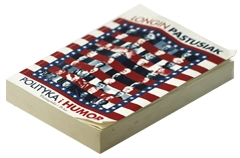
Używany - widoczne ślady użytkowania
zagięte rogi, przyniszczona okładka, książka posiada wszystkie strony.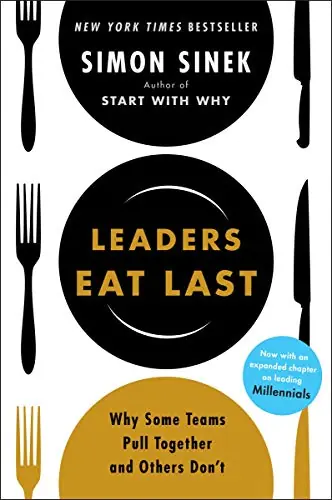
Leaders Eat Last
Masz tę lub inne książki?
Sprzedaj je u nas

Introducing the paperback edition of the acclaimed bestseller by Simon Sinek, renowned for his works "Start With Why" and "Together is Better." This edition now includes an expanded chapter and appendix focusing on leading millennials, inspired by Sinek's viral video "Millennials in the Workplace," which has garnered over 150 million views. Imagine if nearly everyone woke up each day eager to start their work, felt appreciated and trusted throughout the day, and went home satisfied. This scenario isn't just a dream. Many successful organizations today have leaders who foster environments where collaboration and remarkable achievements flourish naturally. In his extensive work with organizations globally, Simon Sinek observed that some teams have a profound sense of trust, going so far as to risk their lives for each other. In contrast, other teams, despite various incentives, inevitably struggle with infighting and fragmentation. But why is this the case? The insight came during a discussion with a Marine Corps general, revealing the principle that "Officers eat last." Sinek observed junior Marines being served first, with senior members waiting their turn. This principle, evident in the dining hall, holds critical significance on the battlefield: exceptional leaders are willing to sacrifice their comfort and even their survival for the welfare of those entrusted to them. Too often, workplaces are plagued by cynicism, paranoia, and self-interest. However, the most effective environments cultivate trust and cooperation, where leaders establish what Sinek describes as a "Circle of Safety," safeguarding the team from outside threats. Through compelling real-life stories, Sinek demonstrates his concepts, drawing examples from military settings to corporate boardrooms, government operations, and the investment banking sector.
Wybierz stan zużycia:
WIĘCEJ O SKALI
Introducing the paperback edition of the acclaimed bestseller by Simon Sinek, renowned for his works "Start With Why" and "Together is Better." This edition now includes an expanded chapter and appendix focusing on leading millennials, inspired by Sinek's viral video "Millennials in the Workplace," which has garnered over 150 million views. Imagine if nearly everyone woke up each day eager to start their work, felt appreciated and trusted throughout the day, and went home satisfied. This scenario isn't just a dream. Many successful organizations today have leaders who foster environments where collaboration and remarkable achievements flourish naturally. In his extensive work with organizations globally, Simon Sinek observed that some teams have a profound sense of trust, going so far as to risk their lives for each other. In contrast, other teams, despite various incentives, inevitably struggle with infighting and fragmentation. But why is this the case? The insight came during a discussion with a Marine Corps general, revealing the principle that "Officers eat last." Sinek observed junior Marines being served first, with senior members waiting their turn. This principle, evident in the dining hall, holds critical significance on the battlefield: exceptional leaders are willing to sacrifice their comfort and even their survival for the welfare of those entrusted to them. Too often, workplaces are plagued by cynicism, paranoia, and self-interest. However, the most effective environments cultivate trust and cooperation, where leaders establish what Sinek describes as a "Circle of Safety," safeguarding the team from outside threats. Through compelling real-life stories, Sinek demonstrates his concepts, drawing examples from military settings to corporate boardrooms, government operations, and the investment banking sector.
Szczegóły
Inne książki: Simon Sinek

Podobne produkty
Może Ci się spodobać
Inne książki z tej samej kategorii

Napisz opinię o książce i wygraj nagrodę!
W każdym miesiącu wybieramy najlepsze opinie i nagradzamy recenzentów.
Dowiedz się więcejWartość nagród w tym miesiącu
880 zł
Dodaj swoją opinię
Zaloguj się na swoje konto, aby mieć możliwość dodawania opinii.
Czy chcesz zostawić tylko ocenę?
Dodanie samej oceny o książce nie jest brane pod uwagę podczas losowania nagród. By mieć szansę na otrzymanie nagrody musisz napisać opinię o książce.
Już oceniłeś/zrecenzowałeś te książkę w przeszłości.
Możliwe jest dodanie tylko jednej recenzji do każdej z książek.
Sposoby dostawy
Odbiór w punkcie (7)
InPost Paczkomat 24/7

14,99 zł
DPD Pickup Automaty i Punkty Odbioru

11,99 zł





Dostawa na adres (7)
GLS U Ciebie - Kurier

14,99 zł
Kurier DPD

14,99 zł





Sposoby płatności
Płatność z góry
Przedpłata

Zwykły przelew
