Stan książek
Nasze książki są dokładnie sprawdzone i jasno określamy stan każdej z nich.
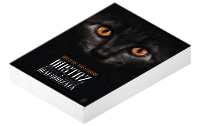

Nowa
Książka nowa.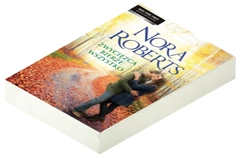
Używany - jak nowa
Niezauważalne lub prawie niezauważalne ślady używania. Książkę ciężko odróżnić od nowej pozycji.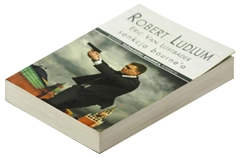
Używany - dobry
Normalne ślady używania wynikające z kartkowania podczas czytania, brak większych uszkodzeń lub zagięć.
Używany - widoczne ślady użytkowania
zagięte rogi, przyniszczona okładka, książka posiada wszystkie strony.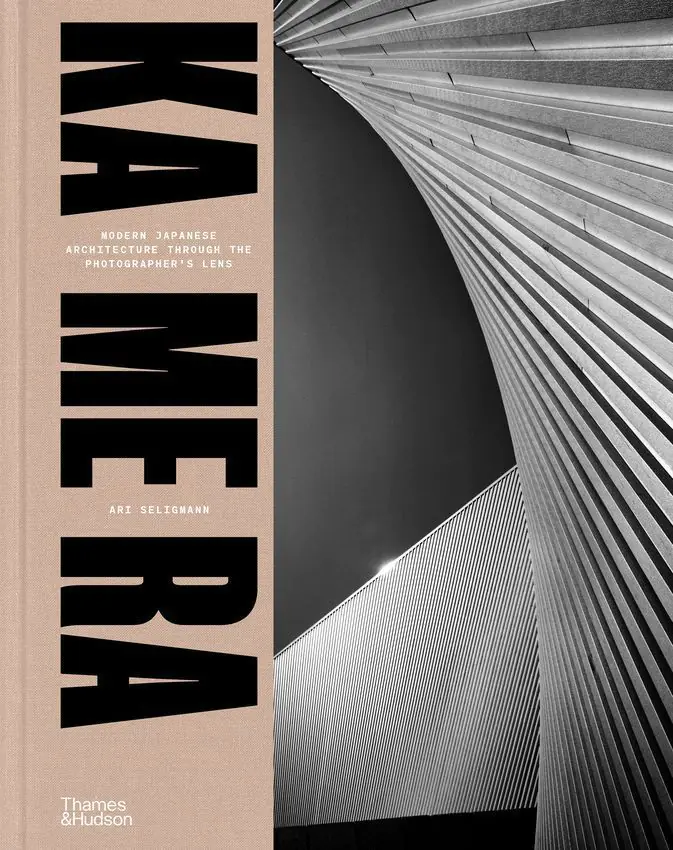
Ka me ra
Masz tę lub inne książki?
Sprzedaj je u nas

This book offers a fascinating exploration of modern Japanese architecture by combining stunning visuals with insightful commentary on the art of architectural photography. It features the work of nine influential photographers who have greatly influenced our perception of Japan’s extraordinary post-war architectural landscape. Readers gain a unique perspective on these remarkable structures through the lenses of talented artists such as Yoshio Watanabe, Chuji Hirayama, and Yukio Futagawa, among others. The author, Ari Seligmann, who is well-versed in Japanese architecture, delves into the evolution of architectural photography in Japan after World War II. This exploration serves to highlight both general and specific ways images shape our understanding of the world. The book showcases beautifully printed photographs, arguing that this type of photography extends beyond serving as a promotional tool or an exact historical account. It is a hybrid that includes elements of a photobook, biography, and a historical account of architectural photography, chronicling the dynamic growth of Japanese architecture. Despite the international fame of Japanese architecture through these images, the photographers themselves have received little recognition until now.
Wybierz stan zużycia:
WIĘCEJ O SKALI
This book offers a fascinating exploration of modern Japanese architecture by combining stunning visuals with insightful commentary on the art of architectural photography. It features the work of nine influential photographers who have greatly influenced our perception of Japan’s extraordinary post-war architectural landscape. Readers gain a unique perspective on these remarkable structures through the lenses of talented artists such as Yoshio Watanabe, Chuji Hirayama, and Yukio Futagawa, among others. The author, Ari Seligmann, who is well-versed in Japanese architecture, delves into the evolution of architectural photography in Japan after World War II. This exploration serves to highlight both general and specific ways images shape our understanding of the world. The book showcases beautifully printed photographs, arguing that this type of photography extends beyond serving as a promotional tool or an exact historical account. It is a hybrid that includes elements of a photobook, biography, and a historical account of architectural photography, chronicling the dynamic growth of Japanese architecture. Despite the international fame of Japanese architecture through these images, the photographers themselves have received little recognition until now.
Szczegóły
Inne książki: Ari Seligmann

Podobne produkty
Może Ci się spodobać
Inne książki z tej samej kategorii

Napisz opinię o książce i wygraj nagrodę!
W każdym miesiącu wybieramy najlepsze opinie i nagradzamy recenzentów.
Dowiedz się więcejWartość nagród w tym miesiącu
880 zł
Dodaj swoją opinię
Zaloguj się na swoje konto, aby mieć możliwość dodawania opinii.
Czy chcesz zostawić tylko ocenę?
Dodanie samej oceny o książce nie jest brane pod uwagę podczas losowania nagród. By mieć szansę na otrzymanie nagrody musisz napisać opinię o książce.
Już oceniłeś/zrecenzowałeś te książkę w przeszłości.
Możliwe jest dodanie tylko jednej recenzji do każdej z książek.
Sposoby dostawy
Odbiór w punkcie (7)
InPost Paczkomat 24/7

14,99 zł
DPD Pickup Automaty i Punkty Odbioru

10,49 zł





Dostawa na adres (7)
GLS U Ciebie - Kurier

14,99 zł
Kurier DPD

14,99 zł





Sposoby płatności
Płatność z góry
Przedpłata

Zwykły przelew
