Stan książek
Nasze książki są dokładnie sprawdzone i jasno określamy stan każdej z nich.


Nowa
Książka nowa.
Używany - jak nowa
Niezauważalne lub prawie niezauważalne ślady używania. Książkę ciężko odróżnić od nowej pozycji.
Używany - dobry
Normalne ślady używania wynikające z kartkowania podczas czytania, brak większych uszkodzeń lub zagięć.
Używany - widoczne ślady użytkowania
zagięte rogi, przyniszczona okładka, książka posiada wszystkie strony.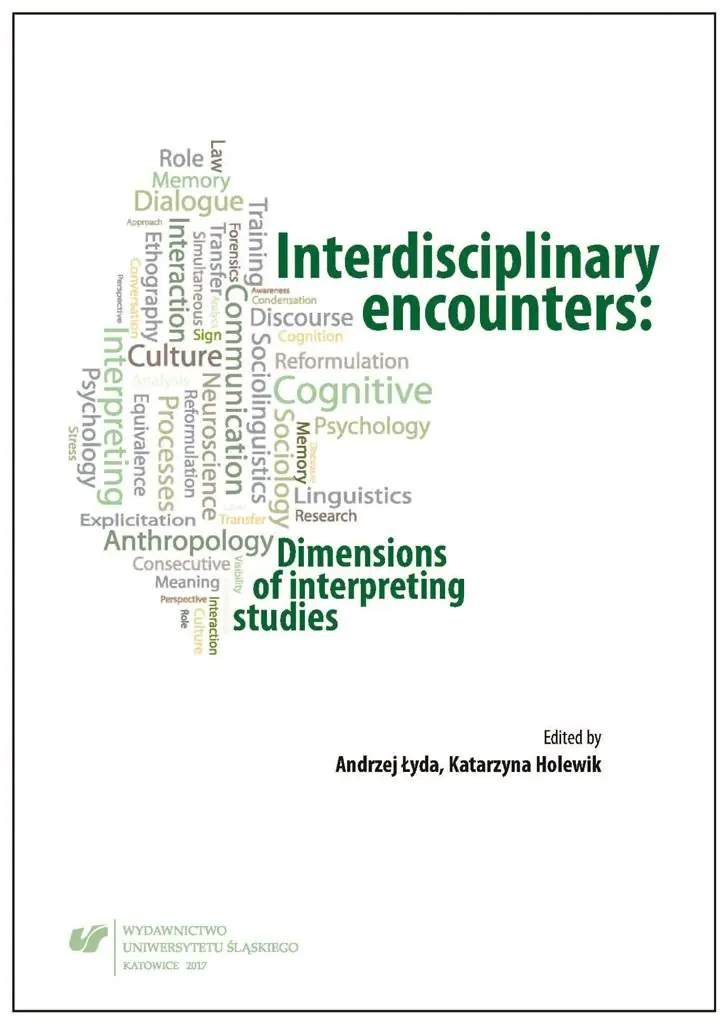
Interdisciplinary encounters
Masz tę lub inne książki?
Sprzedaj je u nas

The book "Interdisciplinary Encounters: Dimensions of Interpreting Studies" is a comprehensive collection that gathers insights from researchers, scholars, practitioners, interpreters, and trainers to explore the interdisciplinary nature of interpreting studies. This interdisciplinary approach is visible in the diverse topics and research questions tackled in the book, ranging from the intersection of interpreting with fields like linguistics and psychology, showcasing the varied methodologies derived from these distinct epistemologies.This publication is a valuable contribution to the literature on Interpreting Studies, featuring groundbreaking research from a broad array of international experts. It underscores the effectiveness of an interdisciplinary perspective in deepening the understanding of interpretation. The insights offered in this volume are beneficial to educators, interpreting students, and seasoned practitioners alike.As the world becomes increasingly multicultural and multilingual, coupled with rising immigration, the role of interpreters, especially those working in spoken word, has gained prominence. Questions such as "What is interpreting?" and "What defines an interpreter?" become increasingly relevant. Despite longstanding research in the field, shifting political, social, and cultural landscapes present ongoing challenges for interpreters and researchers. Addressing these complexities requires a grasp of factors typically analyzed within separate academic fields. Recognizing this, the editors of "Interdisciplinary Encounters" invited notable scholars and practitioners to engage in a discourse on the interdisciplinary facets of interpreting. This volume, aimed not only at academics but also at interpreters and translation educators, represents an innovative effort to address these pressing questions.
Wybierz stan zużycia:
WIĘCEJ O SKALI
The book "Interdisciplinary Encounters: Dimensions of Interpreting Studies" is a comprehensive collection that gathers insights from researchers, scholars, practitioners, interpreters, and trainers to explore the interdisciplinary nature of interpreting studies. This interdisciplinary approach is visible in the diverse topics and research questions tackled in the book, ranging from the intersection of interpreting with fields like linguistics and psychology, showcasing the varied methodologies derived from these distinct epistemologies.This publication is a valuable contribution to the literature on Interpreting Studies, featuring groundbreaking research from a broad array of international experts. It underscores the effectiveness of an interdisciplinary perspective in deepening the understanding of interpretation. The insights offered in this volume are beneficial to educators, interpreting students, and seasoned practitioners alike.As the world becomes increasingly multicultural and multilingual, coupled with rising immigration, the role of interpreters, especially those working in spoken word, has gained prominence. Questions such as "What is interpreting?" and "What defines an interpreter?" become increasingly relevant. Despite longstanding research in the field, shifting political, social, and cultural landscapes present ongoing challenges for interpreters and researchers. Addressing these complexities requires a grasp of factors typically analyzed within separate academic fields. Recognizing this, the editors of "Interdisciplinary Encounters" invited notable scholars and practitioners to engage in a discourse on the interdisciplinary facets of interpreting. This volume, aimed not only at academics but also at interpreters and translation educators, represents an innovative effort to address these pressing questions.
Szczegóły
Dane producenta:
Inne książki tych autorów

Podobne produkty
Może Ci się spodobać
Inne książki z tej samej kategorii

Napisz opinię o książce i wygraj nagrodę!
W każdym miesiącu wybieramy najlepsze opinie i nagradzamy recenzentów.
Dowiedz się więcejWartość nagród w tym miesiącu
880 zł
Dodaj swoją opinię
Zaloguj się na swoje konto, aby mieć możliwość dodawania opinii.
Czy chcesz zostawić tylko ocenę?
Dodanie samej oceny o książce nie jest brane pod uwagę podczas losowania nagród. By mieć szansę na otrzymanie nagrody musisz napisać opinię o książce.
Już oceniłeś/zrecenzowałeś te książkę w przeszłości.
Możliwe jest dodanie tylko jednej recenzji do każdej z książek.
Sposoby dostawy
Odbiór w punkcie (7)
InPost Paczkomat 24/7

14,99 zł
DPD Pickup Automaty i Punkty Odbioru

10,49 zł





Dostawa na adres (7)
GLS U Ciebie - Kurier

14,99 zł
Kurier DPD

14,99 zł





Sposoby płatności
Płatność z góry
Przedpłata

Zwykły przelew
