Stan książek
Nasze książki są dokładnie sprawdzone i jasno określamy stan każdej z nich.


Nowa
Książka nowa.
Używany - jak nowa
Niezauważalne lub prawie niezauważalne ślady używania. Książkę ciężko odróżnić od nowej pozycji.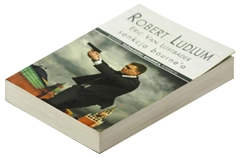
Używany - dobry
Normalne ślady używania wynikające z kartkowania podczas czytania, brak większych uszkodzeń lub zagięć.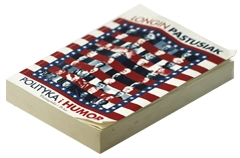
Używany - widoczne ślady użytkowania
zagięte rogi, przyniszczona okładka, książka posiada wszystkie strony.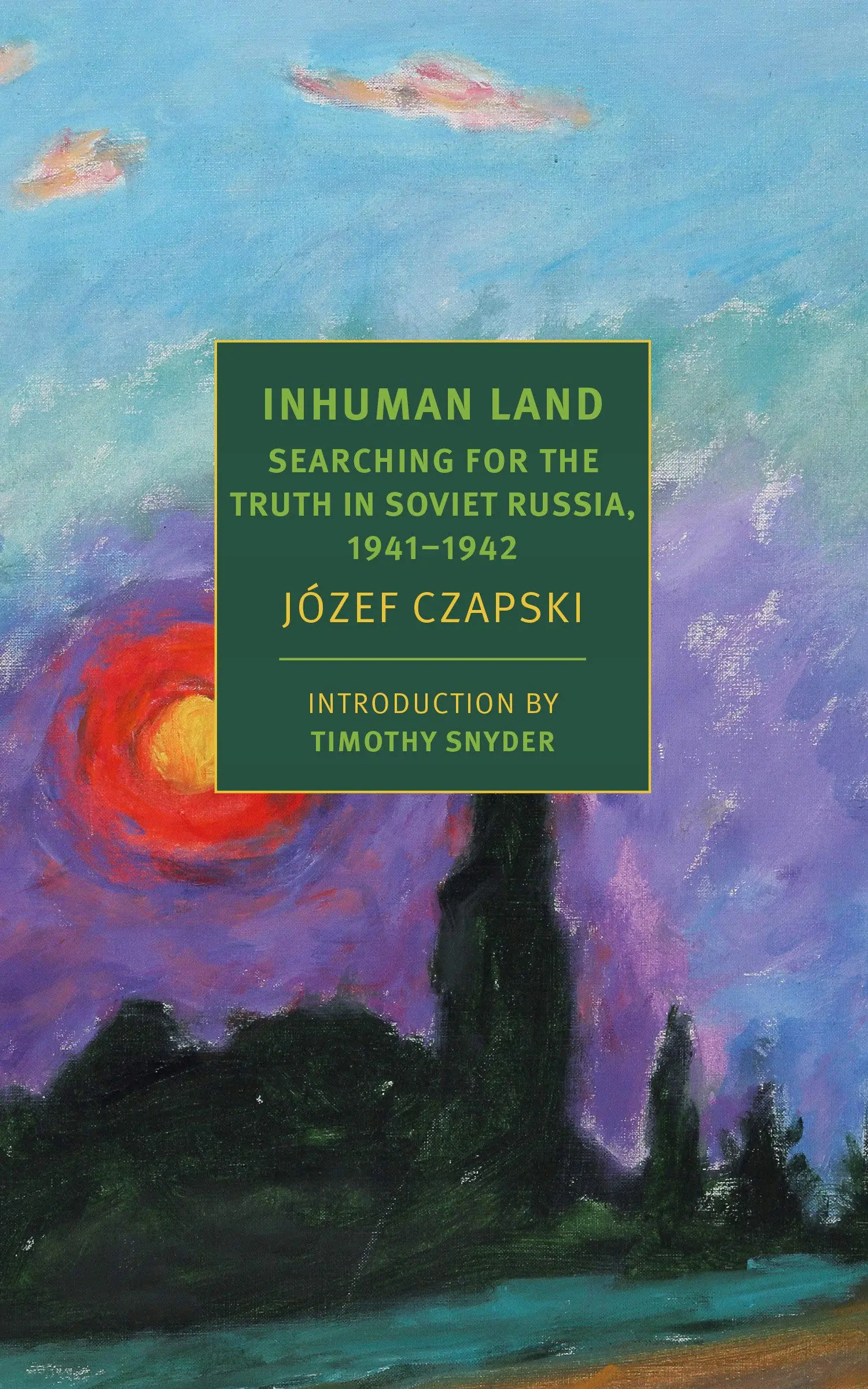
Inhuman Land
Masz tę lub inne książki?
Sprzedaj je u nas

In 1941, as the conflict between Germany and the USSR escalated, numerous Polish individuals, including men, women, and children, were freed from Soviet prison camps. These individuals, who had been struggling with hunger, illness, and poverty, were permitted to join a newly forming Polish army in southern Russia. Among those who endured this challenging winter journey was Józef Czapski, a painter and reserve officer. General Anders, the army's commander-in-chief, tasked Czapski with several responsibilities: welcoming arriving Poles for military training, documenting their past experiences, organizing educational and cultural activities, providing news updates for the soldiers, and, crucially, investigating the whereabouts of thousands of missing Polish officers. Despite his efforts, Czapski faced significant obstruction from Soviet authorities and remained unaware that in April 1940, the officers had been executed in the Katyn Forest—a crime for which Soviet Russia never claimed accountability. Czapski's narrative of his post-camp life, the establishment of the Polish army, and its challenging journey through Central Asia and the Middle East to engage on the Italian front is filled with stories of Polish suffering in the USSR, memorable Polish poetry that offered solace, meetings with literary figures like Anna Akhmatova, and reflections on the intercultural relationships.
Wybierz stan zużycia:
WIĘCEJ O SKALI
In 1941, as the conflict between Germany and the USSR escalated, numerous Polish individuals, including men, women, and children, were freed from Soviet prison camps. These individuals, who had been struggling with hunger, illness, and poverty, were permitted to join a newly forming Polish army in southern Russia. Among those who endured this challenging winter journey was Józef Czapski, a painter and reserve officer. General Anders, the army's commander-in-chief, tasked Czapski with several responsibilities: welcoming arriving Poles for military training, documenting their past experiences, organizing educational and cultural activities, providing news updates for the soldiers, and, crucially, investigating the whereabouts of thousands of missing Polish officers. Despite his efforts, Czapski faced significant obstruction from Soviet authorities and remained unaware that in April 1940, the officers had been executed in the Katyn Forest—a crime for which Soviet Russia never claimed accountability. Czapski's narrative of his post-camp life, the establishment of the Polish army, and its challenging journey through Central Asia and the Middle East to engage on the Italian front is filled with stories of Polish suffering in the USSR, memorable Polish poetry that offered solace, meetings with literary figures like Anna Akhmatova, and reflections on the intercultural relationships.
Szczegóły
Inne książki: Józef Czapski

Podobne produkty
Może Ci się spodobać
Inne książki z tej samej kategorii

Napisz opinię o książce i wygraj nagrodę!
W każdym miesiącu wybieramy najlepsze opinie i nagradzamy recenzentów.
Dowiedz się więcejWartość nagród w tym miesiącu
880 zł
Dodaj swoją opinię
Zaloguj się na swoje konto, aby mieć możliwość dodawania opinii.
Czy chcesz zostawić tylko ocenę?
Dodanie samej oceny o książce nie jest brane pod uwagę podczas losowania nagród. By mieć szansę na otrzymanie nagrody musisz napisać opinię o książce.
Już oceniłeś/zrecenzowałeś te książkę w przeszłości.
Możliwe jest dodanie tylko jednej recenzji do każdej z książek.
Sposoby dostawy
Odbiór w punkcie (7)
InPost Paczkomat 24/7

14,99 zł
DPD Pickup Automaty i Punkty Odbioru

10,49 zł





Dostawa na adres (7)
GLS U Ciebie - Kurier

14,99 zł
Kurier DPD

14,99 zł





Sposoby płatności
Płatność z góry
Przedpłata

Zwykły przelew
