Stan książek
Nasze książki są dokładnie sprawdzone i jasno określamy stan każdej z nich.
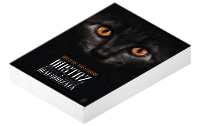

Nowa
Książka nowa.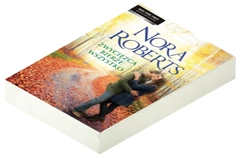
Używany - jak nowa
Niezauważalne lub prawie niezauważalne ślady używania. Książkę ciężko odróżnić od nowej pozycji.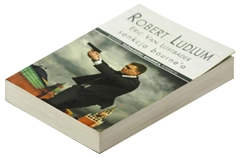
Używany - dobry
Normalne ślady używania wynikające z kartkowania podczas czytania, brak większych uszkodzeń lub zagięć.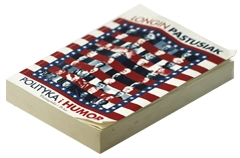
Używany - widoczne ślady użytkowania
zagięte rogi, przyniszczona okładka, książka posiada wszystkie strony.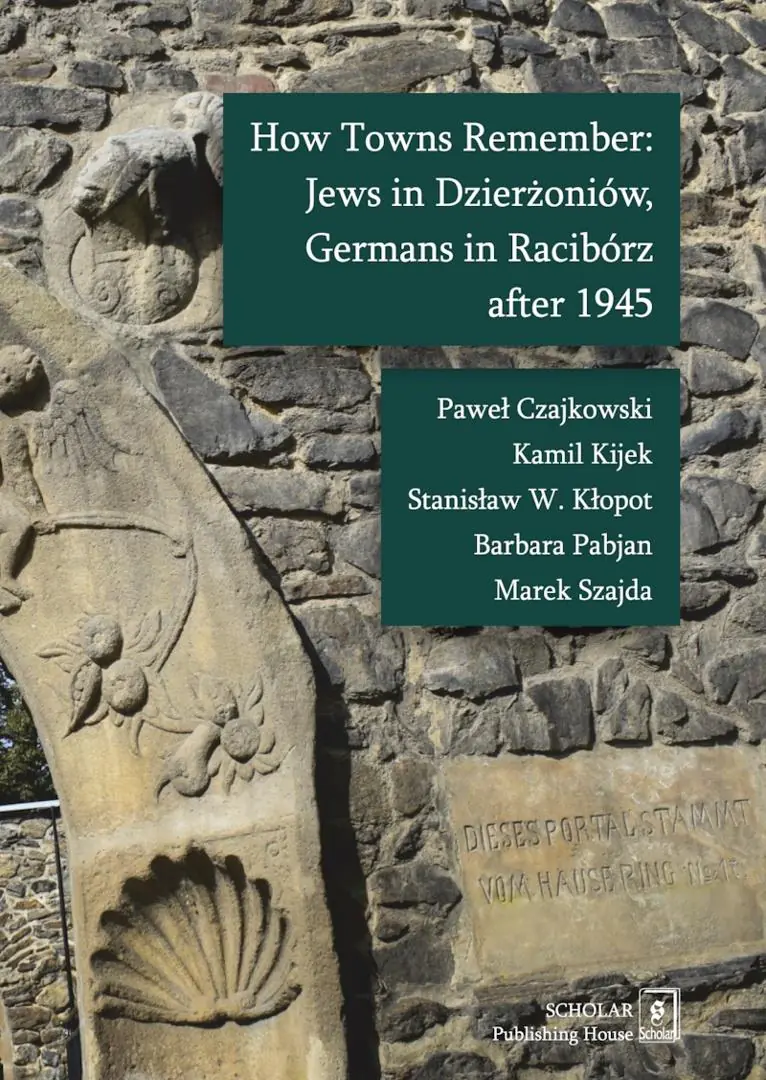
How Towns Remember: Jews in Dzierżoniów, Germans..
DODAJ DO LISTY ŻYCZEŃ
Masz tę lub inne książki?
Sprzedaj je u nas

This captivating study delves into the social memory dynamics of two small Silesian towns, Dzierżoniów and Racibórz, which were incorporated into Poland after World War II. It investigates how postwar migration paths have influenced local collective memory regarding the towns' former Jewish and German residents. By combining sociological insights with historical analysis, the work explains the fading awareness of Dzierżoniów's once-thriving Jewish community in today's public perception, in contrast to Racibórz, where both tangible and symbolic elements of German heritage are actively preserved and remain noticeably vibrant, despite various contradictions. Tomasz Rawski from the University of Warsaw highlights the book as a fascinating and effective exploration of how local memory is constructed and altered. The examples of Racibórz and Dzierżoniów underscore how individual memories contribute to the broader processes of collective remembering and forgetting, as noted by Krzysztof Wasilewski of Koszalin University of Technology.
Wybierz stan zużycia:
WIĘCEJ O SKALI
45,00 zł
nowa
Pakujemy jutro

- nowa książka
jak nowa
dobry
widoczne ślady używania
Dostępna ilość 67
Uwaga została 1 szt.
Posiadamy 67 szt.
This captivating study delves into the social memory dynamics of two small Silesian towns, Dzierżoniów and Racibórz, which were incorporated into Poland after World War II. It investigates how postwar migration paths have influenced local collective memory regarding the towns' former Jewish and German residents. By combining sociological insights with historical analysis, the work explains the fading awareness of Dzierżoniów's once-thriving Jewish community in today's public perception, in contrast to Racibórz, where both tangible and symbolic elements of German heritage are actively preserved and remain noticeably vibrant, despite various contradictions. Tomasz Rawski from the University of Warsaw highlights the book as a fascinating and effective exploration of how local memory is constructed and altered. The examples of Racibórz and Dzierżoniów underscore how individual memories contribute to the broader processes of collective remembering and forgetting, as noted by Krzysztof Wasilewski of Koszalin University of Technology.
Szczegóły
Inne książki tych autorów

Podobne produkty
Może Ci się spodobać
Inne książki z tej samej kategorii

Napisz opinię o książce i wygraj nagrodę!
W każdym miesiącu wybieramy najlepsze opinie i nagradzamy recenzentów.
Dowiedz się więcejWartość nagród w tym miesiącu
880,00 zł
Dodaj swoją opinię
Zaloguj się na swoje konto, aby mieć możliwość dodawania opinii.
Czy chcesz zostawić tylko ocenę?
Dodanie samej oceny o książce nie jest brane pod uwagę podczas losowania nagród. By mieć szansę na otrzymanie nagrody musisz napisać opinię o książce.
Już oceniłeś/zrecenzowałeś te książkę w przeszłości.
Możliwe jest dodanie tylko jednej recenzji do każdej z książek.
Sposoby dostawy
Odbiór w punkcie (8)
InPost Paczkomat 24/7

14,99 zł
DPD Pickup Punkty Odbioru

11,99 zł





Dostawa na adres (7)
GLS U Ciebie - Kurier

14,99 zł
Kurier DPD

14,99 zł





Sposoby płatności
Płatność z góry
Przedpłata

Zwykły przelew
